
Pakistan’s Mandatory HIV and Hepatitis Screening Rule Before Surgery
Pakistan’s federal health authorities have directed all hospitals and clinics to conduct HIV, Hepatitis B, and Hepatitis C tests as part of routine pre-operative screening. The rule covers government hospitals, private hospitals, surgical centres, day care units, and clinics performing invasive treatments.
Procedures covered include caesarean sections, orthopaedic surgeries, gallbladder operations, laparoscopic procedures, and certain dental surgeries. Hospitals that fail to comply may face inspections, penalties, or licensing action.
Why Pakistan Introduced This Policy
Pakistan has faced long-standing problems with blood-borne infections inside healthcare facilities. The WHO Pakistan has repeatedly flagged unsafe injections, weak sterilisation systems, and poor infection control practices as major concerns.
UNAIDS Pakistan has also warned that HIV cases have increased in recent years. In many overcrowded public hospitals, surgeries often happen without complete viral screening. This creates real exposure risks for doctors, nurses, and operation theatre staff who face accidental needle injuries daily.
The policy is not only about patients. It is equally about protecting healthcare workers in high-risk environments with limited resources.
What Tests Are Required and How the Process Works
Patients preparing for surgery may now undergo HIV screening, Hepatitis B screening, and Hepatitis C screening as part of standard blood work. The general process flows as follows: doctor recommends surgery, pre-operative tests are ordered, viral screening is conducted, the surgical team reviews results, and then the procedure is cleared and scheduled.
In larger hospitals, reports may arrive quickly. Smaller facilities, however, may see delays due to limited laboratory capacity and testing infrastructure.
How Much Will Screening Cost Patients
Cost is already one of the biggest concerns. Hospital billing staff in Islamabad, Rawalpindi, and Lahore say combined HIV and Hepatitis screening panels currently range between PKR 1,500 and PKR 3,500 depending on the facility. If you are already covered under the Punjab Health Card Program, it is worth checking whether this new screening requirement will eventually fall under your coverage.
| Hospital Type | Estimated Screening Cost |
|---|---|
| Government Hospital | PKR 1,500 to 2,000 |
| Semi-Private Hospital | PKR 2,000 to 2,800 |
| Private Hospital | PKR 3,000 to 3,500 |
Beyond the test fee, patients may also face additional laboratory handling charges, delayed surgery dates if reports are slow, longer hospital stays, and higher admission package costs at private hospitals. Healthcare analysts believe provincial governments may need to introduce subsidies to prevent financial pressure from delaying treatment decisions.
Why Doctors Support the Move
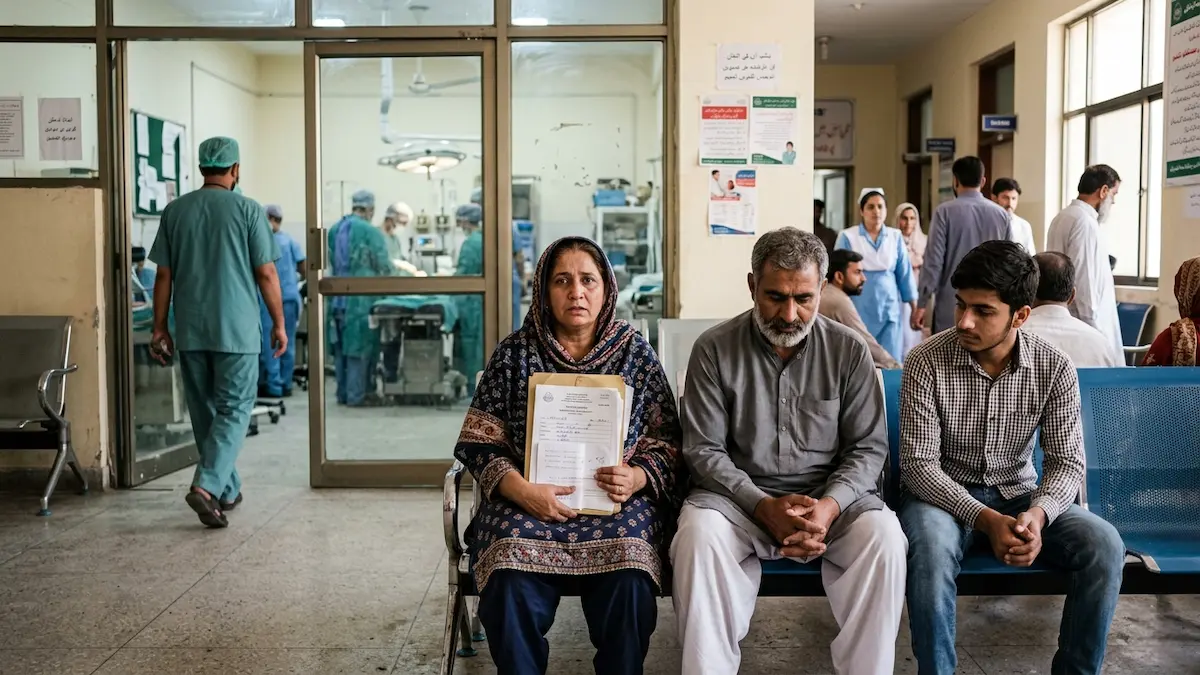
Most doctors see this policy as a step forward for surgical safety. Knowing a patient’s viral status before entering the operation theatre helps teams prepare properly and reduces accidental exposure risks. Early screening also helps detect infections that many Pakistanis would never know they had without a surgical event prompting the blood work.
Patients with HIV or Hepatitis may need different medication management, specific bleeding precautions, or closer post-operative monitoring. Screening helps surgical teams plan for that in advance.
Major Challenges Hospitals May Face
Implementation will not be straightforward in smaller cities and rural districts. Many facilities face limited testing kits, reagent shortages, a shortage of trained lab staff, delayed reports, and weak digital record systems. The push toward digital systems in Pakistan’s public sector is still ongoing, and some district hospitals still rely heavily on paper records and outsourced testing.
Healthcare experts also worry that some hospitals may focus on paper compliance rather than genuine reform. Tick-box responses, delayed counselling, and incomplete reporting after positive results are real risks. Larger hospitals in Karachi, Lahore, and Islamabad may adapt faster. Smaller facilities in rural districts are likely to face more pressure.
Privacy and Stigma Remain Serious Concerns
In many parts of Pakistan, HIV and Hepatitis diagnoses still carry heavy social stigma. A leaked diagnosis can affect employment opportunities, marriage discussions, family relationships, and mental health. Health rights advocates stress that mandatory testing must come with confidential counselling, secure patient records, referral support, and clear privacy protections.
The National AIDS Control Programme Pakistan has consistently emphasised confidential testing systems. If patients fear exposure or humiliation, some may delay surgery rather than face the test. That outcome would be the opposite of what the policy intends.
What This Means for Ordinary Pakistani Families
The policy creates real benefits: safer surgeries, earlier infection detection, better protection for healthcare workers, and stronger hospital accountability. At the same time, families may face higher bills, longer pre-surgery procedures, testing anxiety, and privacy concerns in smaller communities.
The real impact will depend heavily on whether implementation support matches enforcement. If you are navigating healthcare access in urban centres, updates like the Islamabad premium services expansion show that targeted investment can make a difference when the infrastructure is ready. Healthcare needs the same focus.
Frequently Asked Questions
Is HIV and Hepatitis testing now mandatory before surgery in Pakistan?
Federal health authorities have directed hospitals and clinics to include HIV and Hepatitis B and C screening before surgeries and invasive procedures.
Which patients need these tests?
Most patients undergoing surgical or invasive medical procedures may now require screening regardless of risk category.
How much does the screening cost?
Current estimates suggest combined screening costs may range between PKR 1,500 and PKR 3,500 depending on the hospital and laboratory.
Will government hospitals also follow the rule?
Yes. The directive applies to both public and private healthcare facilities nationwide.
Can surgery happen without the screening?
Hospitals are being instructed to integrate viral screening into standard pre-operative protocols. Emergency cases may follow separate procedures.
What happens if a patient tests positive before surgery?
Patients with HIV or Hepatitis will require adjusted surgical planning, medication management, and post-operative monitoring. Hospitals should also provide counselling and referral support.