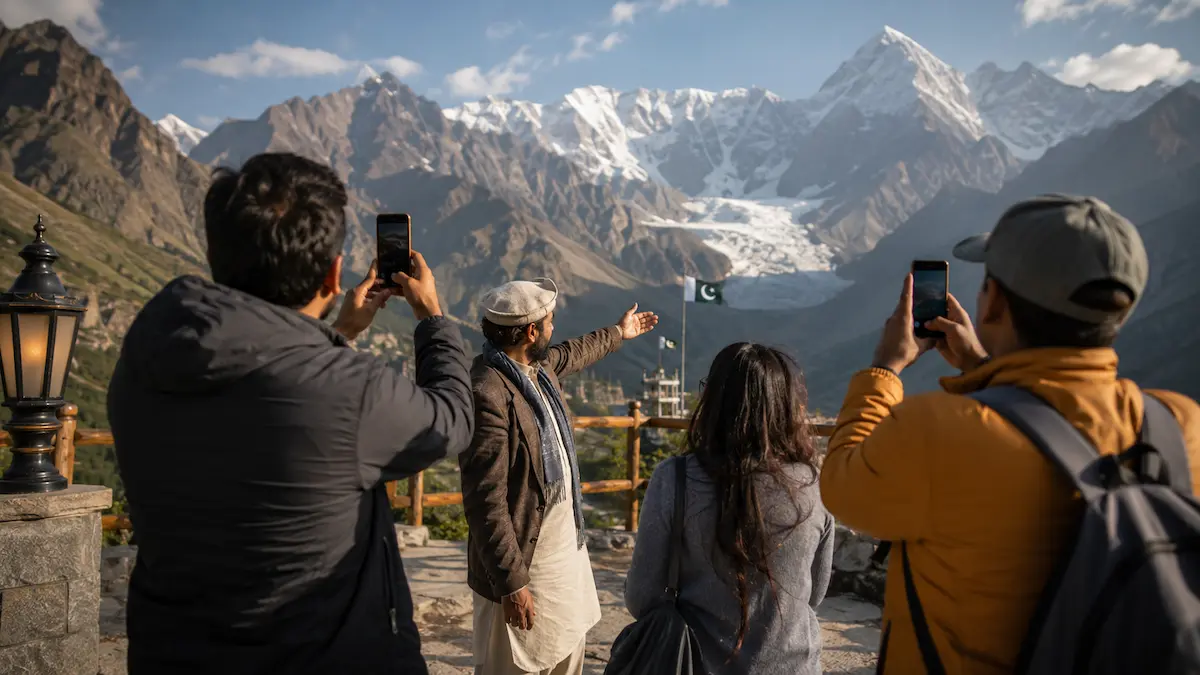
Pakistan’s New Tourism Strategy Targets African Influencers
Pakistan plans to invite Ethiopian and other African influencers through complimentary tourism packages. The goal is simple. Show real travel experiences instead of relying only on government adverts.
Officials believe creator-made content reaches audiences that traditional tourism marketing often misses, especially younger travelers who plan trips based on social media.
Why Influencer Tourism Is Changing Destination Marketing
Tourism boards worldwide are working more with digital creators. Travel reels and honest reviews now shape where many people choose to go next.
Studies from UN Tourism suggest genuine, user-made content often performs better than polished promotional campaigns, because travelers trust real experiences more than adverts.
This shift matters for Pakistan too, especially as more travelers research their visa access and passport requirements before booking international trips.
Why Ethiopia and Africa Matter for This Push
Africa has one of the fastest growing populations and a rising digital economy. More smartphones and internet access mean bigger online audiences for travel content.
Pakistan has also expanded ties with African nations under its Engage Africa policy. Tourism cooperation adds a cultural layer to that wider diplomatic effort.
Ethiopia works as an aviation hub connecting Africa with Asia and the Middle East. Direct flights from Ethiopian Airlines make travel between the two countries far easier than before.
South Asia vs Africa: Two Different Tourism Playbooks
Tourism marketing strategies differ across regions depending on local priorities and traveler expectations.
| Area | South Asia | Africa |
|---|---|---|
| Primary goal | Increase bookings for known destinations | Improve global awareness |
| Main focus | Domestic and regional tourism | International visitor growth |
| Popular content | Food, culture, mountains | Wildlife, culture, adventure |
| Main challenge | Standing out in a crowded market | Changing outdated perceptions |
Pakistan sits somewhere between the two. It has strong tourism assets like mountains, heritage sites and religious tourism, but it also faces the same image challenges many African destinations deal with abroad.
What This Campaign Could Deliver
If it works well, the plan could bring benefits across several areas. Hotels, guides, transport operators and local businesses could see more visitors if online buzz turns into real bookings.
Creator videos also tend to stay online for years, unlike a short ad campaign, so the content keeps attracting viewers through search and social recommendations long after it is posted.
The Risks That Could Limit Its Impact
Content alone will not fix weak infrastructure. If transport is unreliable or visitor information is hard to find, the campaign’s effect will fade fast.
Audiences today can usually spot content that feels too scripted. If trips look staged, viewers lose trust quickly, and that can hurt the whole campaign’s credibility.
Pakistan Still Needs Better Digital Booking Systems
Showcasing a destination online is only half the job. Visitors also want a simple way to book their trip once they feel inspired.
Pakistan’s National Tourism Portal and several private platforms already exist, but the market is still scattered across many separate websites and messaging apps.
A single connected booking system, alongside easier travel news like the recent PIA route restart for UK-bound travelers, would make the country far easier to visit.
What Pakistan Should Fix First
Officials and tourism researchers point to a few clear priorities. Reliable visitor information, consistent service standards at hotels and transport, and stronger digital booking tools all matter more than another ad campaign.
Protecting natural and heritage sites, and involving local communities directly in tourism income, will also decide whether growth actually lasts.
Travelers applying for related documents can already track progress through services like Pakistan’s e-passport home delivery service, which reflects a wider push toward easier travel processes.
What Happens Next
The exchange of Pakistani and African creators is expected to move ahead through cooperation between tourism stakeholders in both countries.
Next steps likely include selecting creators, building travel itineraries, visiting key destinations, and later measuring audience reach against actual visitor numbers. Officials have not yet released a full schedule.
Frequently Asked Questions
Why is Pakistan inviting African influencers?
Pakistan wants to promote its tourism sector through authentic travel content and strengthen cultural and tourism links with Ethiopia and other African countries.
Why was Ethiopia chosen?
Pakistan and Ethiopia have growing diplomatic, aviation and trade ties, and direct Ethiopian Airlines flights make tourism exchanges more practical.
Will the influencers travel for free?
Yes, according to the announcement, African creators will be invited through complimentary tourism packages covering destinations across Pakistan.
Can influencer marketing actually increase tourism?
Research from UN Tourism suggests authentic content can raise destination awareness and shape travel decisions, but only when paired with a good visitor experience.
What could stop the campaign from succeeding?
Weak transport links, limited visitor information and inconsistent booking systems could all reduce how well online promotion converts into actual tourism growth.
What is Pakistan doing about tourism infrastructure?
Provincial authorities and private companies are expanding digital booking tools, though the sector still needs a more unified, mobile friendly system.