Pakistan’s July to September Weather Outlook
Pakistan is entering a difficult July to September period. The Pakistan Meteorological Department has warned of above normal temperatures, uneven rainfall and several climate risks across the country.
The outlook matters because it touches public health, farming, transport, water supply and disaster response at the same time. As per government announcements, southern Punjab, Sindh, southern Khyber Pakhtunkhwa, eastern Balochistan and western Sindh face the strongest impacts from heat and water stress.
Why This Season Is Different
Most years bring one main weather story, either a heatwave or a flood season. This year is not that simple.
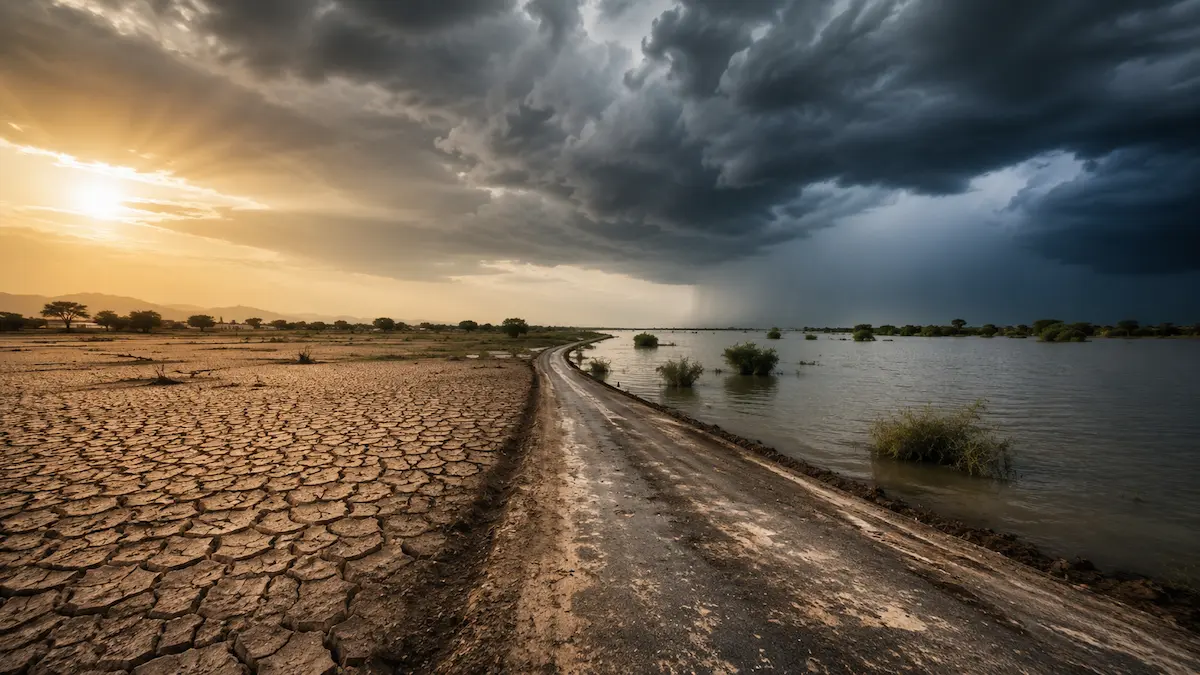
Weather agencies call it a multi hazard season, meaning several risks can strike at once. These include heatwaves in the plains, flash floods in the mountains, urban flooding in cities, glacier melt in the north, landslides in hill areas, crop water shortages, dust storms and a higher dengue risk.
The biggest danger is a compound season where heat, water shortages and sudden flooding hit different parts of the country together. Readers can find more detail on the early signs of this pattern in our recent PMD heatwave and pre monsoon update.
Areas Facing the Highest Risk
Southern Punjab and Sindh
These regions face the strongest heat stress in the coming months. Long outdoor working hours and limited cooling access raise health risks during prolonged hot spells.
Northern Pakistan
Mountain districts face a different challenge. Heavy rain combined with glacier melt can raise river flows and increase the risk of flash floods and glacial lake outburst floods.
Major Cities
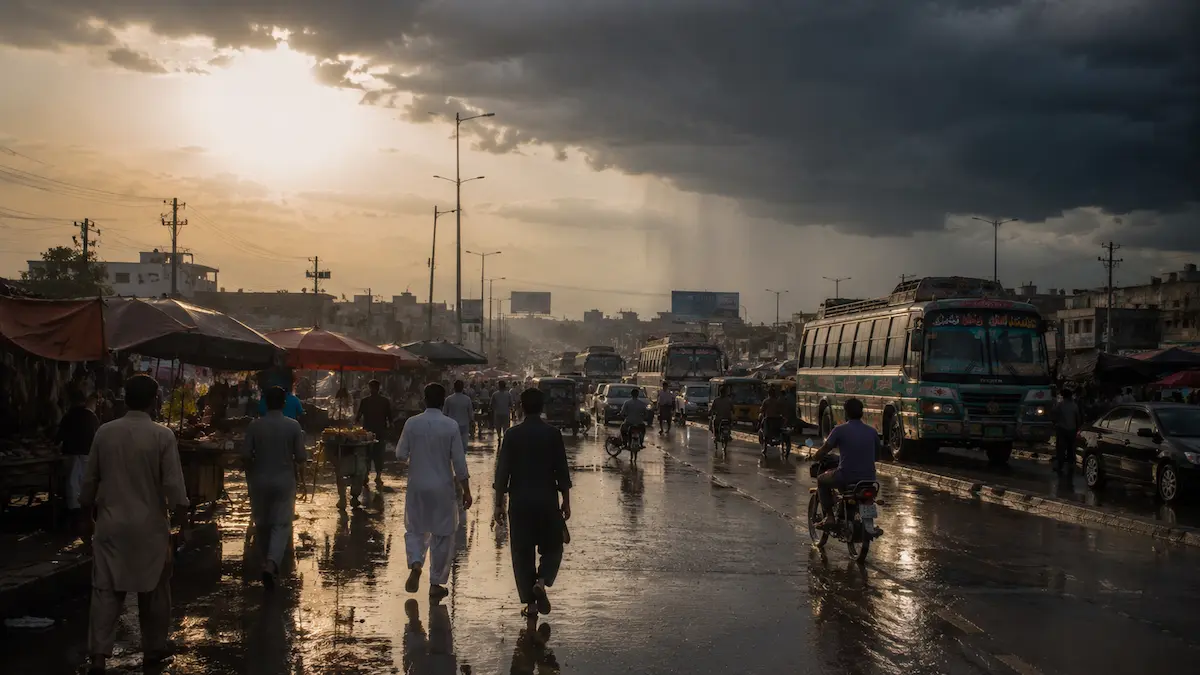
Karachi, Lahore, Rawalpindi and Peshawar remain vulnerable to short but intense rainfall that can overwhelm city drains.
Heat Stress and Public Health Concerns
PMD expects temperatures above seasonal averages across most regions between July and September, with stronger impacts in southern Punjab and Sindh.
Higher temperatures can raise cases of heat exhaustion, dehydration and heatstroke. They also add pressure on hospitals, power demand for cooling and water supply in cities. Outdoor workers, elderly residents and people in dense urban neighbourhoods face the highest risk.
Flood Risks Despite Lower Rainfall Forecasts
One unusual feature of this forecast is that flood risk stays high even though overall rainfall may be below normal in many regions.
A city can receive less rain overall and still flood badly if heavy rain falls within a few hours. This matters most for low lying urban areas, hill torrents in Balochistan, mountain catchments in the north and rivers affected by glacier melt.
Why Farmers Are Watching This Season Closely
Agriculture may be one of the sectors hit hardest. The July to September window overlaps with the growing season for key Kharif crops, including cotton, rice, sugarcane and maize.
Lower rainfall combined with higher temperatures can raise irrigation demand and add pressure on water resources. Crop stress during early growth stages can reduce yields if it continues. Rain fed farming regions may suffer more than irrigated areas, according to public reports citing PMD assessments. This kind of pressure on household budgets connects to wider concerns covered in our report on rising cost pressure on Pakistan’s middle class.
Glacier Melt and Northern Pakistan Concerns
Northern Pakistan faces its own risk linked to rising temperatures. Faster snow and glacier melt can raise river flows and put pressure on vulnerable valleys.
The National Disaster Management Authority has issued glacier related alerts before, since rapid melting combined with rainfall can trigger glacial lake outburst floods. Gilgit Baltistan and Azad Jammu and Kashmir remain particularly sensitive to these events.
Urban Flooding Risks in Major Cities
Pakistan’s largest cities still face drainage problems during heavy rain. Even moderate rainfall can cause disruption when drains are blocked or rainfall intensity is too high for the system to handle.
PMD’s outlook flags urban flooding risk in major cities across Sindh, Punjab, Balochistan and Khyber Pakhtunkhwa.
| Risk Area | Possible Impact |
|---|---|
| Roads | Traffic disruption |
| Markets | Business interruptions |
| Transport | Delays and diversions |
| Power systems | Temporary outages |
| Low lying housing areas | Water accumulation |
Dust Storms and Dengue Concerns
Weather risk this season goes beyond rain and heat. PMD’s outlook also points to dust storms, hailstorms, a higher dengue risk and possible crop damage from extreme weather.
Hot and humid conditions after light rainfall can support mosquito breeding, especially in urban areas with standing water.
Comparison With Previous Years
Pakistan’s weather patterns have grown less predictable in recent years. The country saw devastating floods in 2022 and major monsoon events in the seasons after, which damaged roads, homes and farmland.
Recent summers have also brought repeated heatwaves in southern Pakistan and major cities. According to the World Health Organization, rising temperatures are increasingly linked with stronger weather extremes across South Asia. What sets this year apart is the number of risks appearing together in one seasonal outlook.
Timeline for July to September 2026
| Period | Main Risk |
|---|---|
| Early July | Heat stress and early monsoon variability |
| Mid July to August | Urban flooding and flash flood risk |
| August | Peak pressure on crops and water systems |
| Late August to September | Glacier melt impacts and continued heat risk |
The exact timing of these events may shift depending on how the monsoon system moves and where rain falls.
What Happens Next?
Weather agencies are expected to issue district level updates as monsoon systems develop through July and August. PMD and NDMA usually release regular advisories as conditions change, and local administrations may add area specific alerts where needed.
Frequently Asked Questions
Why is the July to September period important for Pakistan?
This period covers Pakistan’s main monsoon season and the peak growing months for major Kharif crops such as cotton, rice, sugarcane and maize.
Is Pakistan expecting more rain this year?
Not necessarily. PMD forecasts suggest many regions may get normal to below normal rainfall overall, although intense local rainfall events remain possible.
Which provinces face the highest heat risk?
Current forecasts show southern Punjab and Sindh face the highest chance of prolonged heat stress this season.
Can floods happen during a below normal rainfall season?
Yes. Short bursts of heavy rain, glacier melt and drainage failures can still cause flash floods and urban flooding even when total seasonal rainfall stays low.
Why are farmers concerned about this outlook?
Above normal temperatures and uneven rainfall can raise irrigation demand and put stress on crops during key growth stages.
Where can people track official weather updates?
People can follow forecasts and alerts from the Pakistan Meteorological Department and the National Disaster Management Authority as the season develops.
Pakistan’s July to September outlook is no longer just a monsoon story or a heatwave story. The bigger challenge is a compound risk season where heat stress, water shortages, flash floods, urban flooding and farm pressure can all develop at the same time in different parts of the country.