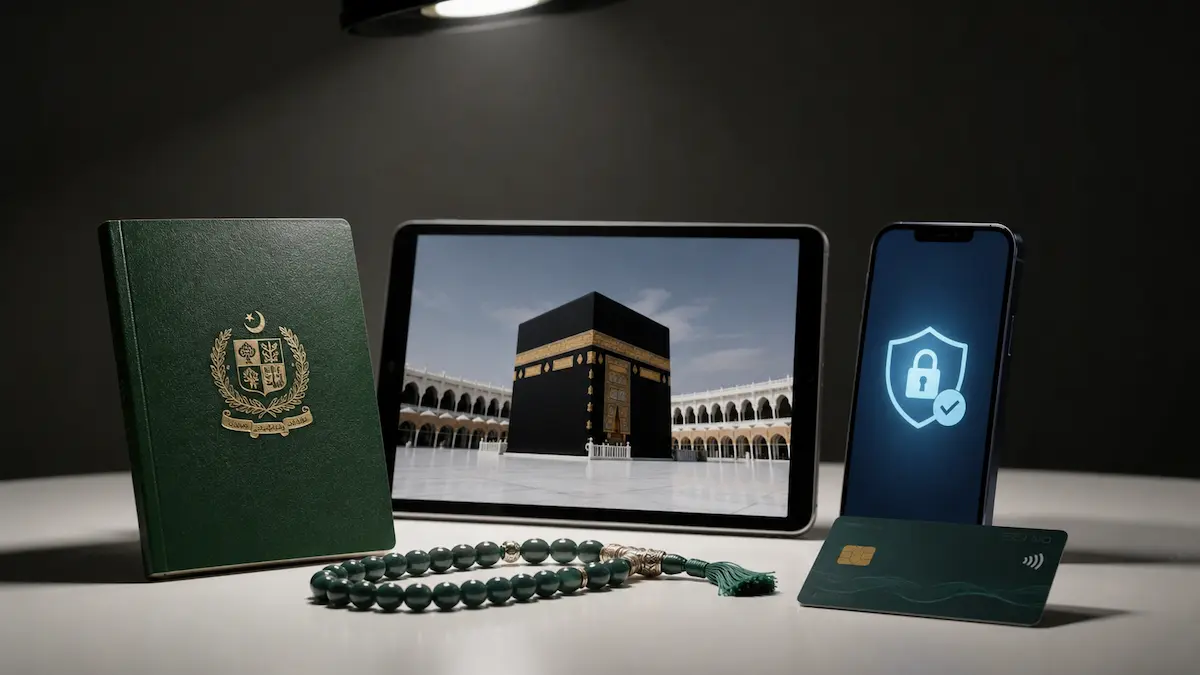
Hajj Dues Can Now Be Paid From Home Through 1LINK
For years, applying for Hajj meant repeated bank visits and paperwork. That has now changed for Hajj 2027 applicants across Pakistan.
According to official sources, the Ministry of Religious Affairs has linked Hajj payments to Pakistan’s 1LINK digital payment network. This network already connects banks and mobile banking apps across the country.
How The New Payment Facility Works
Applicants first register for Hajj online. They then receive payment instructions and a reference number. Payment can be completed through any participating digital banking channel, and a confirmation is generated electronically.
As per government announcements, overseas Pakistanis can use the same digital framework. This solves a long standing problem for families abroad who often relied on relatives in Pakistan to finish their applications. For more on how Pakistan is easing travel related processes for pilgrims, read about airport queue reforms underway across major cities.
Why The Digital Hajj System Matters
The biggest change is convenience, but the benefits run deeper than that.
Fewer Visits For Elderly Applicants
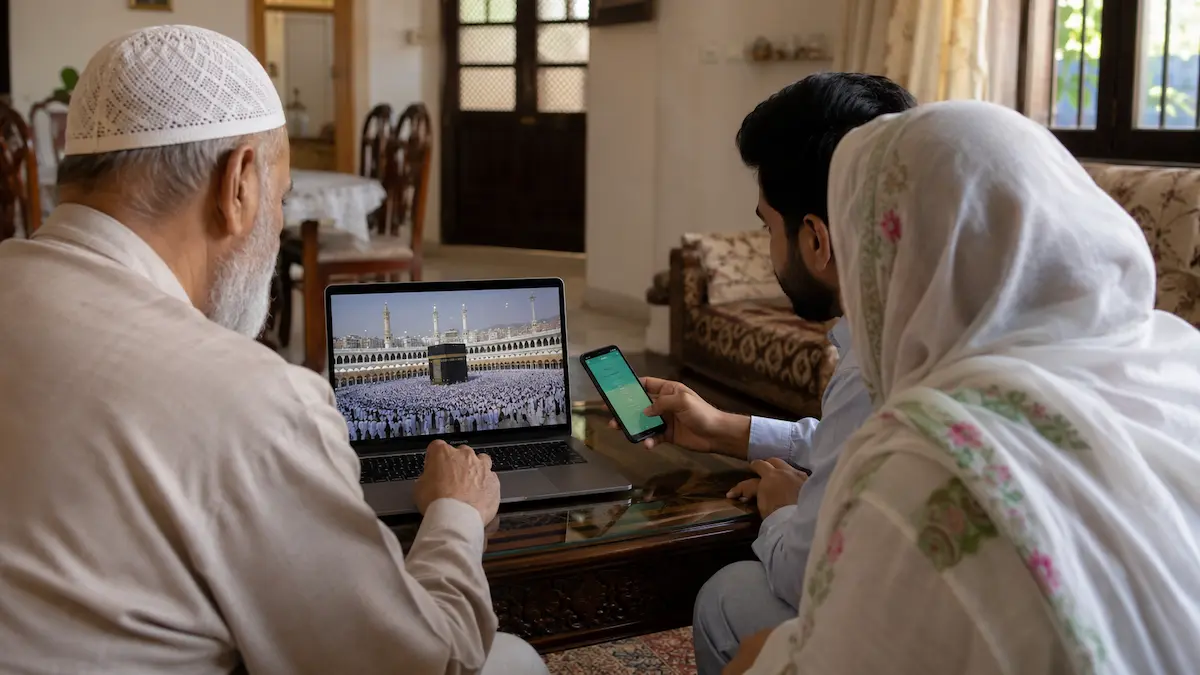
A large share of Hajj applicants are senior citizens. Removing the need for physical bank visits makes the process easier for them and their families.
Better Record Keeping
Digital payments create electronic records. This can reduce manual handling and help authorities track applications more accurately during a high demand registration period.
Comparison: Old Process Versus New Digital System
| Feature | Previous Process | New Digital Process |
|---|---|---|
| Registration | Mostly online | Online |
| Hajj payment | Bank branch visit required | Online through 1LINK |
| Payment confirmation | Manual receipt collection | Digital confirmation |
| Overseas access | More limited | Online registration and payment |
What Applicants Should Avoid
Officials are urging applicants to use only verified channels. Common mistakes include using unofficial websites, waiting until the last day to pay, and forgetting to save the digital payment confirmation.
This digital push is part of a wider pattern in Pakistan’s public service reforms, similar to recent steps seen in Saudi Arabia’s live crowd tracking system for Hajj pilgrims. Rising costs for ordinary citizens have also pushed more government departments toward digital tools that reduce time and travel, a trend covered in our report on the squeeze on Pakistan’s middle class.
For official updates on Hajj 2027, applicants can also check the Ministry of Religious Affairs and Interfaith Harmony website directly.
Frequently Asked Questions
Can Hajj dues now be paid from home?
Yes. The Ministry of Religious Affairs has introduced an online payment facility through 1LINK, letting eligible applicants pay without visiting a bank branch.
Does the new system apply to Hajj 2027?
Yes. The facility was introduced as Hajj 2027 registration continues nationwide.
Will overseas Pakistanis be able to use the system?
According to government announcements, overseas Pakistanis can register and pay through the same digital framework.
Is visiting a bank still necessary?
The new facility is meant to remove that requirement for most applicants. Some may still need to follow extra instructions issued by their bank.
Where should applicants get official Hajj information?
Applicants should rely on the Ministry of Religious Affairs, official Hajj portals, and participating banks connected to 1LINK.
How many people have registered for Hajj 2027 so far?
More than 150,000 applicants registered within the first eight days of the registration drive.