
PCB Approves 12 New Cricket Grounds as Part of Major Infrastructure Push
The Pakistan Cricket Board has approved funding to make 12 additional cricket grounds operational across the country as part of a wider effort to strengthen domestic cricket infrastructure. The decision was taken during the 84th Board of Governors meeting in Lahore and includes support for staffing, maintenance, training, and player development.
This move comes alongside a major increase in domestic cricket funding and fresh investment in regional facilities, signaling a broader shift toward building cricket from the ground level up rather than focusing only on major events and international venues.
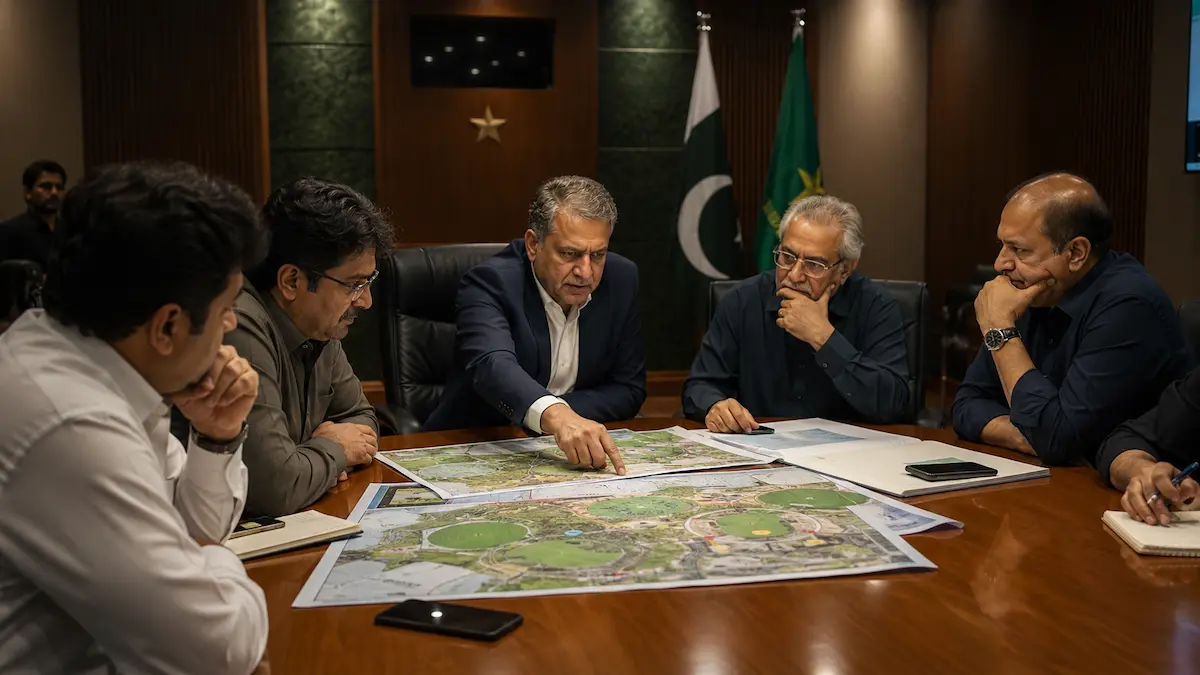
The biggest announcement from the latest Board of Governors meeting was the approval of funds to operationalise these 12 cricket grounds across Pakistan. The funding will not only cover physical infrastructure but also the human resources needed to keep those facilities functional throughout the year.
Key Decisions From PCB’s 84th Board Meeting in Lahore
The meeting, chaired by Mohsin Naqvi, included several decisions aimed at reshaping domestic cricket in Pakistan. Major approvals included the activation of 12 new cricket grounds, introduction of minimum salaries for ground staff, and substantial increases in player payments.
| Decision | Approved Change |
|---|---|
| New cricket grounds | 12 additional grounds to become operational |
| Ground staff support | Minimum salary of PKR 42,000 per month |
| Domestic cricket budget | Increased from PKR 3 billion to PKR 4 billion |
| Quaid-e-Azam Trophy match fee | Increased from PKR 30,000 to PKR 100,000 |
| Reserve player payment | Increased from PKR 15,000 to PKR 50,000 |
| Women’s domestic competitions | Additional funding approved |
| Infrastructure upgrades | PKR 6.7 billion allocated |
Why Ground Staff Salaries Matter More Than You Might Think
One of the less visible but potentially most important decisions involved salaries for regional ground staff. The Board approved a minimum monthly salary of PKR 42,000 for regional ground employees working at cricket facilities across the country.
Grounds often fail not because of poor construction but because routine maintenance stops. Pitch preparation requires trained staff. Outfields need regular care. Drainage systems require attention during monsoon periods. Practice facilities need continuous upkeep.
Without permanent workers, even newly developed venues can quickly become unusable. By introducing a minimum salary structure, PCB is attempting to support the people responsible for maintaining cricket infrastructure rather than focusing solely on buildings and equipment.
Domestic Cricket Budget Increases by PKR 1 Billion
The Board approved a major increase in domestic cricket spending for the 2026 to 2027 financial year. The annual allocation has risen from PKR 3 billion to PKR 4 billion, representing a significant commitment to grassroots development.
This increase comes at a time when domestic cricket has faced criticism over player payments, scheduling issues, and inconsistent structures. Higher funding could improve several areas including better tournament organization, improved player payments, increased match coverage, and better travel standards.
Whether these outcomes are achieved will depend on implementation rather than announcements alone. According to official PCB sources, the funds are earmarked for structured regional cricket development.
Match Fee Increases Could Transform Domestic Cricket Economics
PCB also approved major increases in domestic player compensation. Match fees for players participating in the Quaid-e-Azam Trophy will rise from PKR 30,000 per match to PKR 100,000. Reserve players will receive PKR 50,000 instead of PKR 15,000.
For many domestic cricketers, financial uncertainty has historically been one of the biggest obstacles to pursuing long-term cricket careers. Higher match payments may help players remain within the domestic system for longer periods rather than leaving the sport or prioritising other employment opportunities.
This increase also brings domestic cricket closer to a professional environment rather than a semi-professional one, potentially attracting and retaining talented players who might otherwise pursue alternative careers.
Regional Cricket Could Be the Biggest Winner
The impact of additional grounds may be felt most strongly outside Pakistan’s largest cities. Cricket talent exists across the country, but access to quality facilities remains uneven.
Players from smaller cities and districts often face limited opportunities to train on prepared pitches or participate in organised competitions. Operational regional grounds could help improve junior cricket programmes, women’s cricket participation, school competitions, and club tournaments.
More venues could also reduce scheduling bottlenecks during domestic seasons, allowing regional associations to host more matches and provide players with additional opportunities to develop their skills. As reported by multiple cricket authorities, regional sports development remains crucial for Pakistan’s athletic future.
How This Differs From Previous PCB Infrastructure Spending
Pakistan cricket infrastructure spending has often focused on international venues. Recent years saw major investments in stadium upgrades in Lahore, Karachi, and Rawalpindi ahead of international tournaments and hosting commitments.
The latest announcement expands that strategy beyond flagship venues. The Board approved PKR 6.7 billion for infrastructure projects, including improvements at the National Bank Stadium and other facilities across Pakistan.
However, the new ground initiative differs because it targets operational cricket spaces rather than showcase venues. That distinction may prove important for long-term player development. This represents a fundamental shift in how cricket funding is distributed across development tiers.
Women’s Cricket Also Receives Support
The Board approved funding for domestic women’s one day and T20 competitions during the same meeting. Additional grounds could create more opportunities for women’s tournaments, training camps, and development programmes.
Access to venues remains one of the challenges facing women’s cricket growth in Pakistan. More operational facilities could help regional associations organise a larger number of competitions throughout the year, directly supporting gender inclusion in sports.
What This Infrastructure Initiative Means for Pakistan Cricket
For supporters, infrastructure spending may not generate the excitement of a major tournament announcement. However, local facilities often determine whether talented players continue in the sport.
Most international cricketers begin their careers on club grounds and regional pitches rather than international stadiums. Improved facilities could create stronger pathways from school cricket to regional teams and eventually to national selection.
That process takes years rather than months. The success of the latest initiative will therefore be measured less by announcements and more by whether the grounds remain active and maintained several years from now.
What Happens Next in PCB’s Ground Development Plan
The next phase will involve implementation. Several questions remain unanswered including which regions will receive the new grounds, when the facilities will become operational, how funding will be distributed, and which regional associations will manage operations.
PCB is expected to provide further details as the projects move forward. The effectiveness of the initiative will depend largely on execution, staffing, and long-term financial support rather than initial capital spending.
Key Facts About PCB’s 12 New Cricket Grounds Initiative
| Item | Details |
|---|---|
| Board meeting | 84th PCB Board of Governors meeting |
| Location | Lahore |
| New grounds approved | 12 |
| Ground staff minimum salary | PKR 42,000 per month |
| Domestic cricket budget | Increased to PKR 4 billion |
| Budget increase amount | PKR 1 billion |
| Quaid Trophy match fee | PKR 100,000 |
| Reserve player fee | PKR 50,000 |
| Infrastructure allocation | PKR 6.7 billion |
Frequently Asked Questions
Why is PCB building 12 additional cricket grounds?
The goal is to strengthen domestic cricket by improving regional facilities and increasing access to playable venues for training and competition. These grounds will support regional cricket, player development, training programmes, and domestic competitions.
How much has PCB increased domestic cricket funding?
The domestic cricket budget has increased from PKR 3 billion to PKR 4 billion for the 2026 to 2027 financial year, representing a PKR 1 billion increase in annual spending.
What salary will regional ground staff receive?
PCB approved a minimum monthly salary of PKR 42,000 for regional ground staff working at cricket facilities across Pakistan. This ensures grounds are properly maintained throughout the year.
Why are ground staff important for cricket development?
Ground staff prepare pitches, maintain outfields, manage drainage systems, and keep venues operational throughout the year. Their work directly affects the quality of cricket infrastructure and player development opportunities.
Will the new grounds only be used for professional cricket?
No. The facilities are intended to support regional cricket, player development, training programmes, school competitions, club tournaments, and domestic competitions at all levels including women’s cricket.
When will the new cricket grounds become operational?
PCB is expected to provide further details on implementation timelines, specific regional locations, and facility distribution schedules as the projects move forward.