Pakistan Monsoon Forecast 2026: What Changed
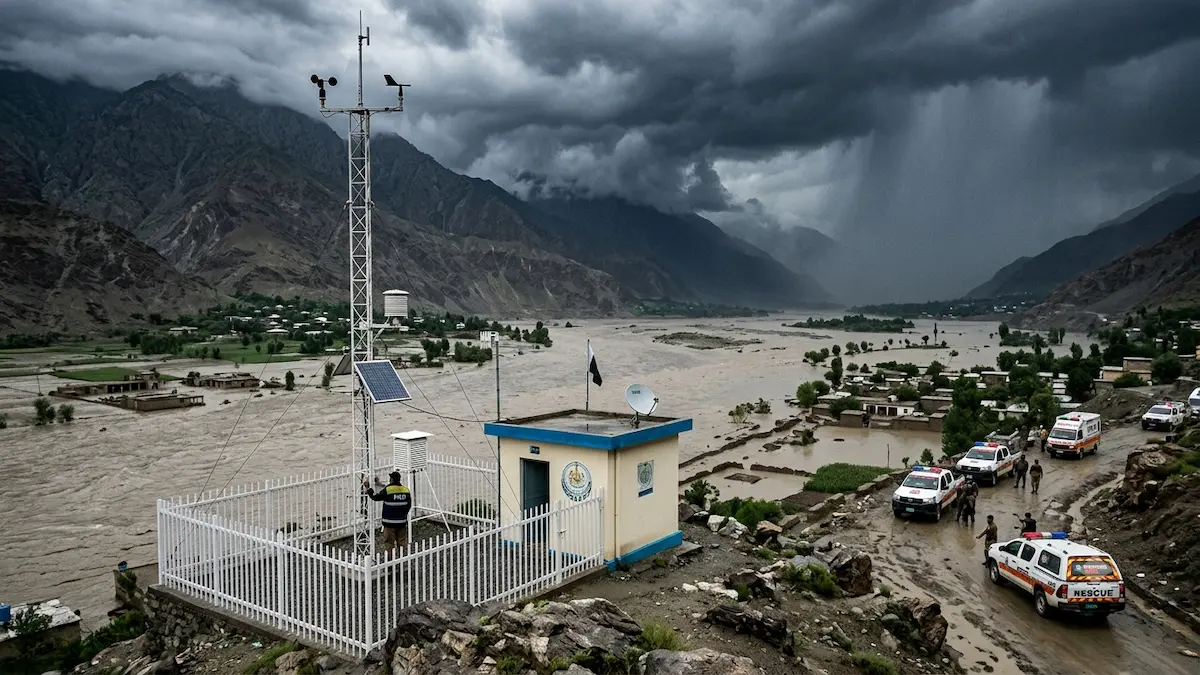
Pakistan’s monsoon forecast for 2026 has shifted in a major way. Months ago, forecasters expected below normal rainfall in many parts of the country. The latest outlook from the Pakistan Meteorological Department (PMD) now points to above normal rainfall in the north.
This change matters because northern Pakistan holds some of the country’s largest glaciers. It is also home to millions of people living close to rivers and mountain streams.
What the Latest PMD Forecast Says
According to official sources, PMD expects above normal to much above normal rainfall from July through September in upper Khyber Pakhtunkhwa, Gilgit Baltistan, Azad Jammu and Kashmir, and parts of the Hindu Kush Karakoram Himalayan region.
Officials say warmer than normal temperatures alongside heavy rain could speed up glacier and snow melt. This raises water levels in rivers such as the Hunza, Shyok, and Ghizer basins.
Punjab, Sindh, and Balochistan may not see above normal rainfall for the full season. Still, weather officials warn that sudden, heavy downpours could still cause serious urban flooding across Punjab cities.
Why Did the Forecast Change So Quickly?
Pakistan recorded above normal pre monsoon rainfall this year, around 13 percent above average nationwide. Punjab saw about 23 percent above normal rainfall, while Khyber Pakhtunkhwa recorded around 15 percent above normal.
Gilgit Baltistan was actually below normal during the pre monsoon period. But updated climate models now point to wetter conditions there during the main monsoon season. Forecasters say seasonal outlooks are dynamic, not fixed, and they get revised as new data comes in.
Areas Facing the Highest Flood Risk
NDMA briefings list several districts under close watch. These include Upper Dir, Lower Dir, Chitral, Swat, Kohistan, Buner, Mansehra, Abbottabad, Gilgit Baltistan, Murree, Galliyat, and parts of Azad Jammu and Kashmir.
Mountain terrain in these areas means rain can fill streams within hours. Landslides can also block roads and cut off communities during emergencies.
Why Cities Could Still Flood
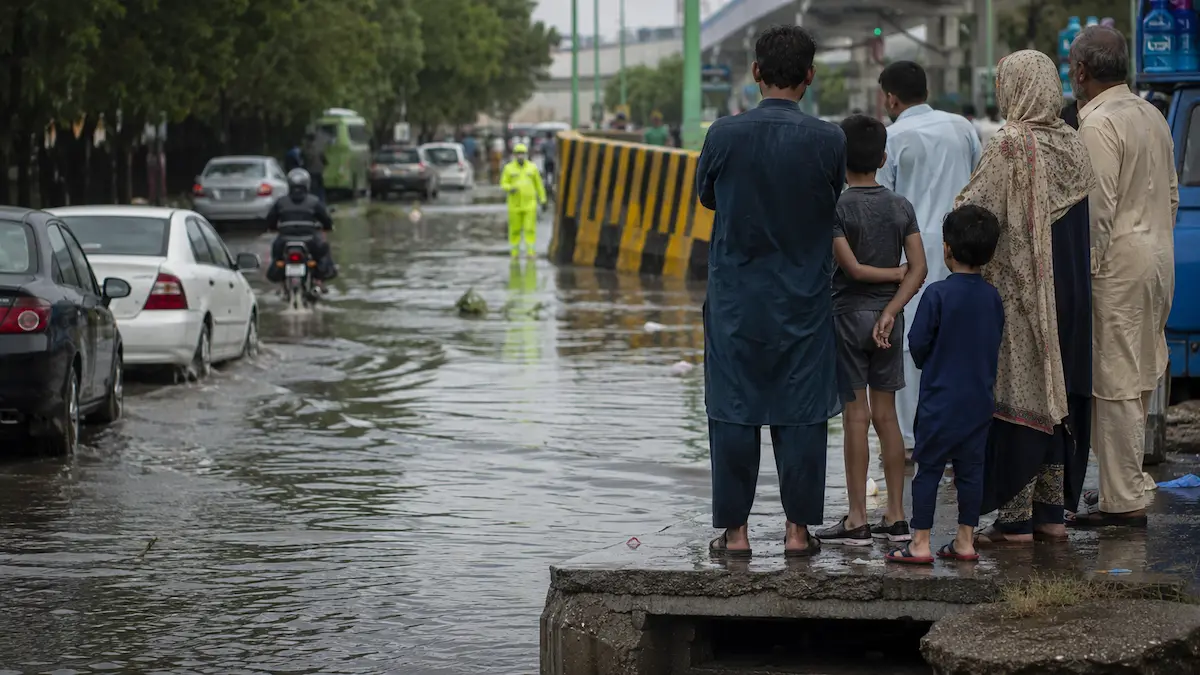
Urban flooding does not always depend on total seasonal rainfall. Short bursts of heavy rain can overwhelm drainage systems in hours, even if the monthly average stays normal.
Cities most exposed include Lahore, Rawalpindi, Islamabad, Peshawar, Mardan, Karachi, and Hyderabad. Blocked drains, encroachment on waterways, and aging infrastructure all add to the risk.
Government Response and Preparedness
As per government announcements, NDMA and the National Emergency Operations Center are coordinating closely with provincial authorities this monsoon season. Planning Minister Ahsan Iqbal and Climate Change Minister Musadik Malik have called climate risk a national priority.
According to the Pakistan Meteorological Department, monitoring of Glacial Lake Outburst Flood risk continues in northern districts, along with regular public advisories through television, radio, and mobile alerts.
Comparison: Earlier Outlook vs Latest Forecast
| Earlier Outlook | Latest Official Outlook |
|---|---|
| Below normal rainfall expected | Above normal rainfall in northern Pakistan |
| Focus on dry conditions | Greater concern over flooding |
| Limited glacier melt concern | Increased glacier melt risk |
| Lower flood expectations | Higher flash flood and urban flood risk |
Economic Impact Beyond Floodwaters
Heavy rain can damage crops and delay harvests, especially in Punjab and Sindh. Tourism hubs like Swat, Chitral, Murree, and Gilgit Baltistan could see road closures that hurt hotels and transport operators. This adds pressure on households already stretched thin by rising costs, including the ongoing wheat price crisis affecting families nationwide.
Lessons Since the 2022 Floods
Pakistan’s 2022 floods affected millions of people and caused losses of more than 30 billion dollars, according to government and international estimates. Since then, agencies have focused on faster alerts and stronger flood forecasting, though gaps remain in remote mountain communities. Careful planning matters for large scale coordination generally, the same way it does for the new Hajj management system for 2027.
What Happens Next
PMD will keep updating forecasts through July, August, and September. NDMA will keep issuing district level alerts whenever heavy rain is expected. Travelers heading north should check official advisories before their trip.
Frequently Asked Questions
Why did Pakistan’s monsoon forecast change?
Seasonal forecasts are updated as weather patterns evolve. New atmospheric data led PMD to revise its outlook for northern Pakistan toward above normal rainfall.
Which areas face the greatest flood risk in 2026?
Upper Khyber Pakhtunkhwa, Gilgit Baltistan, Azad Jammu and Kashmir, and parts of the Hindu Kush Karakoram Himalayan region face the highest risk.
Can cities flood even without record rainfall?
Yes. Urban flooding often happens when heavy rain falls within a few hours and drains cannot clear the water fast enough.
What is a GLOF?
A Glacial Lake Outburst Flood happens when water stored behind a glacier suddenly releases, which can cause severe flooding downstream.
Will Punjab and Sindh also see flooding this monsoon?
Overall seasonal rainfall may stay closer to normal in Punjab and Sindh, but sudden heavy downpours could still trigger urban flooding in major cities.
Where can people check official monsoon updates?
The latest forecasts and advisories are available from the Pakistan Meteorological Department and the National Disaster Management Authority.