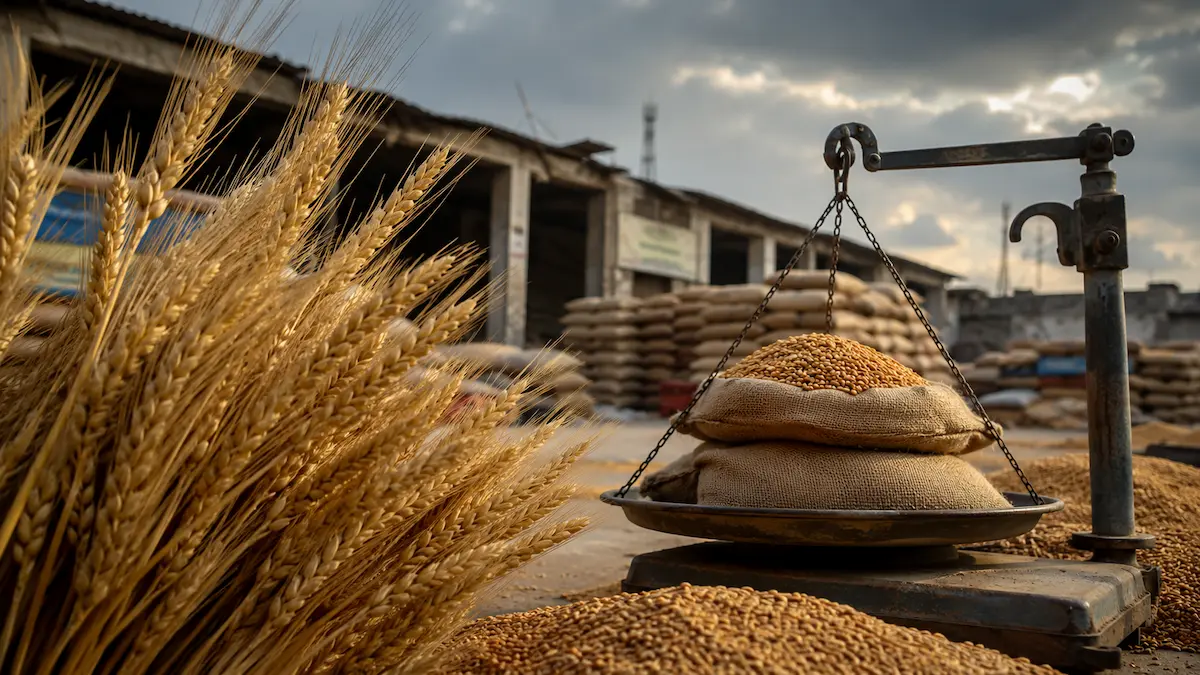
Wheat Price Pakistan: Why the Market Is Under Pressure
Pakistan’s wheat market is heading into a tense period. Farmer representatives say wheat prices could reach Rs6,000 per maund if supply concerns are not addressed soon.
At the same time, federal authorities are reviewing wheat demand from the provinces. They are also weighing possible imports and stock management steps to keep the market stable.
Wheat is Pakistan’s main staple food. So when wheat prices move, flour prices and household food budgets usually move too. That is why this story has drawn attention from farmers, policymakers, flour millers and everyday consumers.
According to official statements from the Ministry of National Food Security and Research, authorities are assessing available stocks and provincial requirements before deciding on further wheat management steps. You can review food security data directly on the Ministry of National Food Security and Research website.
Why Wheat Prices Are Under Pressure
This situation did not develop from one single event. Several factors are combining at once.
The first is a sharp drop in public procurement during the latest harvest. Government agencies normally buy wheat to build reserves that help stabilize prices later in the year. This year, procurement fell well below expectations in several provinces.
As public stocks shrank, market attention shifted to private traders and their commercial inventories. Farmer organizations argue that policy changes altered the traditional procurement system before new arrangements were fully in place, adding uncertainty across the market.
A Growing Food Security Concern
Pakistan’s wheat challenge is no longer just a seasonal market issue. It is becoming a food security and policy question because wheat affects millions of households directly.
Sindh purchased around 200,000 tonnes during the same procurement season. Farmer organizations and industry groups point to these numbers as clear evidence of a gap in public reserves.
Officials are now reviewing wheat demand submitted by the provinces while checking available stocks before deciding whether more imports are needed. Similar supply pressures have also shown up in other essentials, as seen in the recent chicken and egg price inflation affecting household protein costs.
What Changed Under Punjab’s Wheat Policy 2026
One of the biggest shifts this year is in how the government approaches wheat procurement.
Punjab introduced a new wheat policy that moves much of the procurement responsibility toward the private sector instead of relying mainly on direct government purchases. The goal is to reduce the government’s financial burden while encouraging private market participation.
The change has sparked debate among farmer organizations, agricultural stakeholders and economists. Many groups argue that when public procurement drops quickly without enough private participation stepping in, prices can become more volatile.
Publicly reported policy discussions show that the earlier support price mechanism has also changed significantly. Without the same level of government buying, producers and traders now depend more on open market demand, and the wheat market reacts faster to supply concerns than it did in previous years.
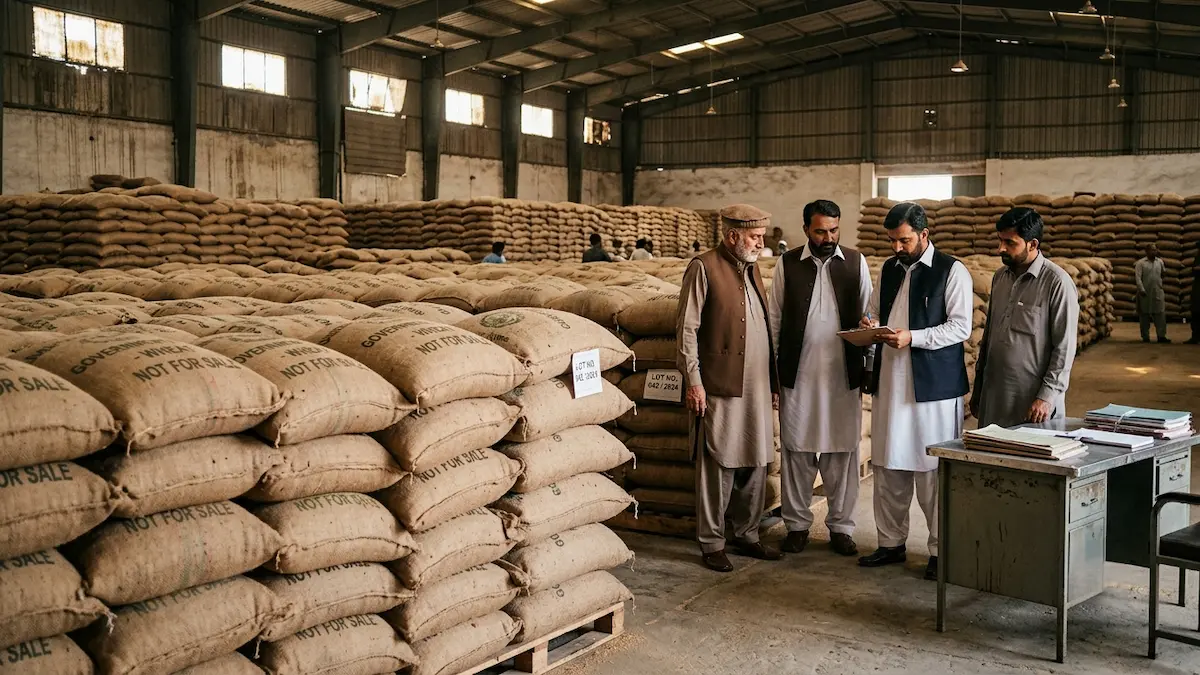
Wheat Procurement Fell Well Below Target
Government procurement has long played a central role in Pakistan’s wheat market. Strategic reserves help the state respond during shortages, sudden demand spikes or price increases.
| Province | Reported Procurement |
|---|---|
| Punjab | Around 480,000 tonnes |
| Original Punjab target | About 3 million tonnes |
| Sindh | Around 200,000 tonnes |
The gap between procurement targets and actual purchases has become a central issue in current policy talks. Farmer organizations say lower procurement reduced market confidence and limited the government’s ability to influence prices later in the year.
Federal officials maintain that wheat availability is being reviewed carefully and that decisions will follow national stock assessments and provincial requirements.
Why This Matters for Consumers
For many families, wheat prices shape monthly household spending more than almost any other food item.
When wheat becomes costlier, flour prices tend to follow. That raises the cost of basic foods like roti, naan and homemade bread.
Recent market reports show flour prices rising in several cities, with retail prices ranging between roughly Rs115 and Rs150 per kilogram, depending on quality, transport costs and local conditions.
Lower income households usually spend a larger share of their income on food. Sustained flour price increases can therefore squeeze family budgets and reduce spending on other essential needs, adding to broader cost of living pressures already felt during events like the Punjab flood alerts this monsoon season.
Market Outlook So Far
The current wheat situation reflects a mix of procurement changes, market uncertainty and ongoing policy discussion.
Farmer representatives continue to warn about wheat reaching Rs6,000 per maund. Government officials say wheat stocks are under review and that options, including imports if required, remain on the table.
For readers, the real question is not only whether wheat prices rise further but also how fast policy decisions can restore market confidence. Rising input costs are already visible elsewhere in construction too, similar to the recent cement price hike in northern Pakistan.
Risks and Uncertainties Ahead
Pakistan’s wheat market is still evolving, and several factors will shape what happens next.
The first uncertainty is the final assessment of wheat stocks held by provinces and the federal government. Officials say these reviews are continuing before any major policy decisions are announced.
The international wheat market matters too. If Pakistan imports wheat, global prices, freight costs, exchange rates and shipping schedules could affect both timing and total cost. Global wheat trends can be tracked through the Food and Agriculture Organization.
Weather conditions remain important as well, since future crop performance depends on rainfall and irrigation availability. Market confidence will also matter. Clear communication about procurement, reserves and future supply plans could help ease uncertainty among farmers, traders, flour mills and consumers.
A Broader Policy Question
This discussion is not only about how much wheat is available. It also raises questions about how Pakistan manages food security during a period of policy change.
Supporters of the new approach say it can improve efficiency and reduce public spending. Farmer organizations argue the transition needs stronger coordination, transparent market information and better reserve planning to avoid sudden price swings.
Many market observers note that imports may ease immediate supply needs if approved, but imports alone cannot replace long term planning for procurement, storage and reserve management.
What Readers Should Watch
Over the coming weeks, several developments should offer a clearer picture of the wheat market.
These include final provincial demand assessments, official decisions on wheat imports, updates on government wheat stocks, wholesale wheat price movements, retail flour price trends across cities and any fresh policy announcements from federal or provincial authorities.
Frequently Asked Questions
Why are wheat prices rising in Pakistan?
Farmer organizations have linked rising prices to lower public procurement, policy changes in wheat purchasing, and concerns about available stocks. Government authorities are reviewing demand and supply before announcing further measures.
Could wheat prices reach Rs6,000 per maund?
Farmer representatives have publicly warned that prices could reach this level if market pressure continues. Future prices will depend on procurement, stock availability, market conditions, and any government intervention.
Is Pakistan facing a wheat shortage?
Federal authorities say stock assessments are ongoing while reviewing provincial demand. Farmer organizations and market participants have raised concerns about procurement levels and supply gaps.
Why is the government discussing wheat imports?
Imports are one option to increase supply if domestic stocks are considered insufficient. Officials are evaluating this option alongside other market management measures.
How could consumers be affected?
If wheat prices continue to rise, flour prices may also increase depending on local market conditions, affecting household spending since wheat products are part of the daily diet for most families.
What changed under Punjab Wheat Policy 2026?
Punjab shifted greater responsibility for wheat procurement toward the private sector instead of relying mainly on direct government purchasing, making it a major topic in market stability discussions.