Punjab’s Rs 20 Electric Bus Service Now Covers Seven More Cities
Morning commutes in Punjab’s smaller cities have long meant packed vans and costly rickshaw rides. That is starting to change.
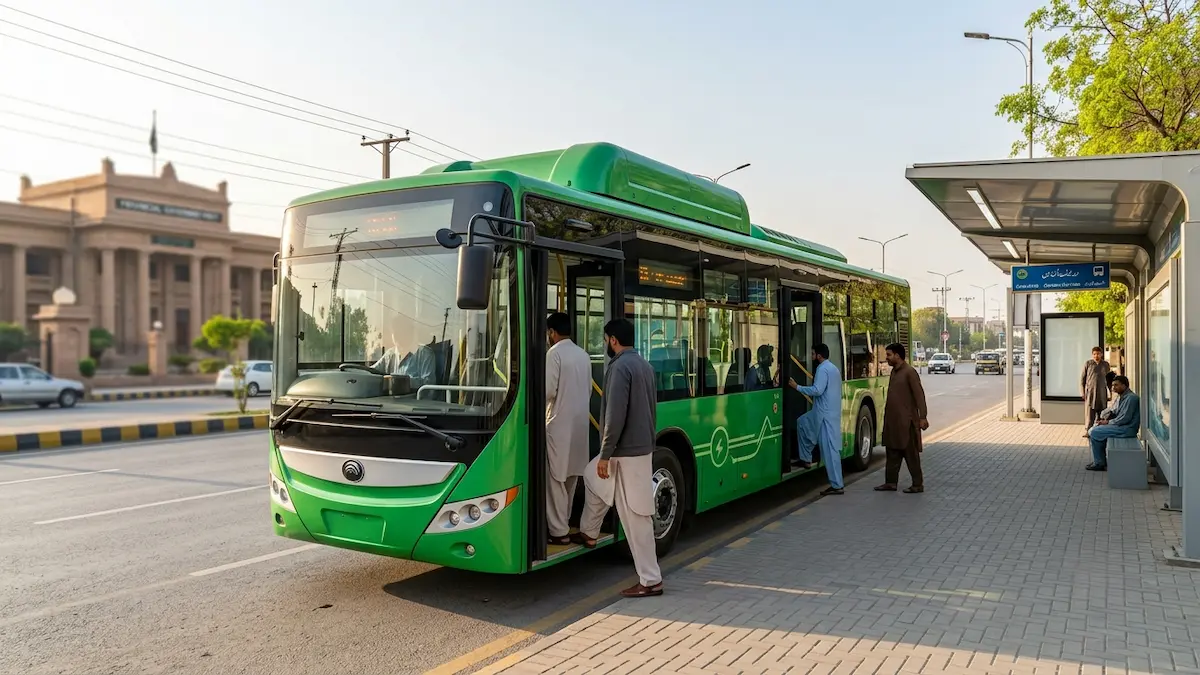
The Punjab government has launched 77 new electric buses in Gujrat, Narowal, Nankana Sahib, Vehari, Lodhran, Sheikhupura and Kasur. The fare stays fixed at Rs 20 per trip.
According to official Punjab government announcements, this expansion is part of a wider plan to bring affordable, cleaner public transport beyond Lahore and other major cities.
Key Facts at a Glance
| Feature | Details |
|---|---|
| New buses launched | 77 |
| Fare | Rs 20 per ride |
| New districts covered | Gujrat, Narowal, Nankana Sahib, Vehari, Lodhran, Sheikhupura, Kasur |
| Bus type | Fully electric |
| Accessibility | Wheelchair ramps, priority seating |
| Mid August 2026 target | Around 1,100 buses provincewide |
Which Districts Are Getting the New Buses
The rollout reaches seven district headquarters that previously relied mostly on private vans and rickshaws for daily travel.
| District | Expected Benefit |
|---|---|
| Gujrat | Better urban mobility for daily commuters |
| Narowal | Easier access to schools and markets |
| Nankana Sahib | Improved travel for residents and visitors |
| Vehari | Modern transport for a growing population |
| Lodhran | Cheaper daily commuting |
| Sheikhupura | Wider public transport coverage |
| Kasur | More electric transport options |
Why the Rs 20 Fare Matters So Much
A flat Rs 20 fare removes the guesswork of distance based pricing. Riders know the cost before they board.
This matters most for people who travel daily for work, school, hospital visits or government errands. Lower, predictable fares can shift commuters away from motorcycle fuel costs and repeated rickshaw trips.
The Pakistan auto industry has also been watching how public transport choices affect demand for private vehicles, as cheaper bus options can change household spending on fuel and repairs.
Who Benefits the Most From This Expansion
Students get lower travel costs across the school year. Office workers gain predictable daily expenses.
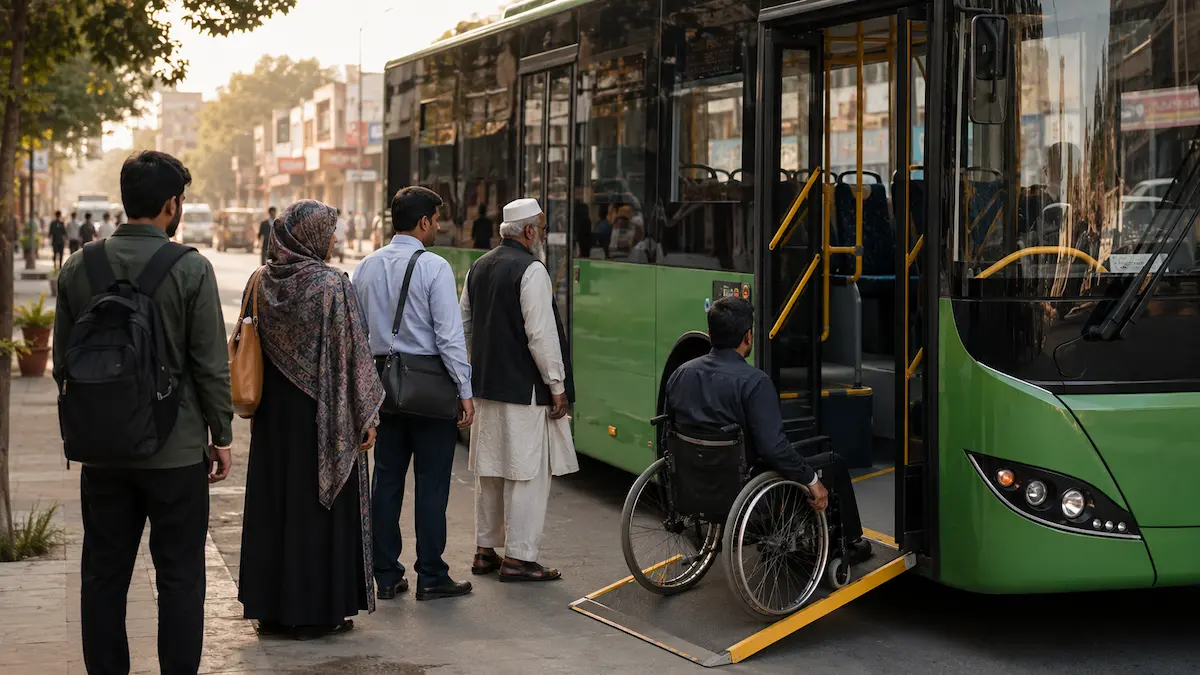
Low income households that depend on public transport for work, shopping and healthcare stand to save the most. Senior citizens and persons with disabilities also gain easier, independent travel thanks to ramps and priority seating.
Accessibility Features Explained
Every new bus includes wheelchair ramps, low floor entry, wider doors, reserved spaces for persons with disabilities and priority seating for senior citizens.
Many older buses across Pakistan still lack these features. This rollout builds accessibility into the design from the start rather than adding it later.
Charging Infrastructure and Technology Behind the Fleet
Electric buses need more than just vehicles. Punjab has approved up to 2,000 charging stations to support the growing fleet.
The programme also includes modern depots, driver training, GPS tracking and digital scheduling systems. According to the International Energy Agency, electrifying public buses tends to deliver larger environmental gains than electrifying private cars alone, since one bus serves thousands of riders every week.
How This Fits Punjab’s Wider Transport Plan
Earlier Punjab transit projects focused mainly on Lahore, Rawalpindi and Multan. This expansion shifts attention to medium and smaller cities.
Better public transport also connects to broader infrastructure efforts across the province, including the ongoing motorway network upgrades that link these districts to major cities. Reliable road links matter for bus routes just as much as the vehicles themselves, a lesson also visible in projects like the Karachi Chaman highway rebuild.
Challenges That Could Shape Long Term Success
Keeping the Rs 20 fare affordable long term depends on steady government funding, since electricity, maintenance and staffing all cost money.
Charging capacity, spare parts and last mile connectivity from homes to bus stops will also decide how many people actually switch from rickshaws and vans to these buses.
What Happens Next
Punjab officials have announced a longer term goal of reaching close to 3,000 buses within three years and 5,000 within five years, depending on funding and procurement.
Further phases are expected to add more districts, more charging stations and new depots as the network grows.
Frequently Asked Questions
Which cities received the new Punjab electric buses?
The latest phase covers Gujrat, Narowal, Nankana Sahib, Vehari, Lodhran, Sheikhupura and Kasur.
What is the fare for Punjab’s electric buses?
The fare is Rs 20 per ride on the newly launched routes.
Are the new electric buses accessible for people with disabilities?
Yes. Every bus has wheelchair ramps, low floor entry and priority seating for senior citizens and persons with disabilities.
Why is Punjab investing in electric buses?
The goal is cheaper, cleaner and more reliable public transport that reaches beyond the province’s largest cities.
Will more Punjab cities get electric buses?
Yes. Officials plan to keep expanding the network toward a target of around 1,100 buses by mid August 2026.
Does the Rs 20 fare apply to every route?
It applies to the newly launched services. Any future changes will be announced separately by transport authorities.