What Is the Pakistan Solar Battery Incentive?
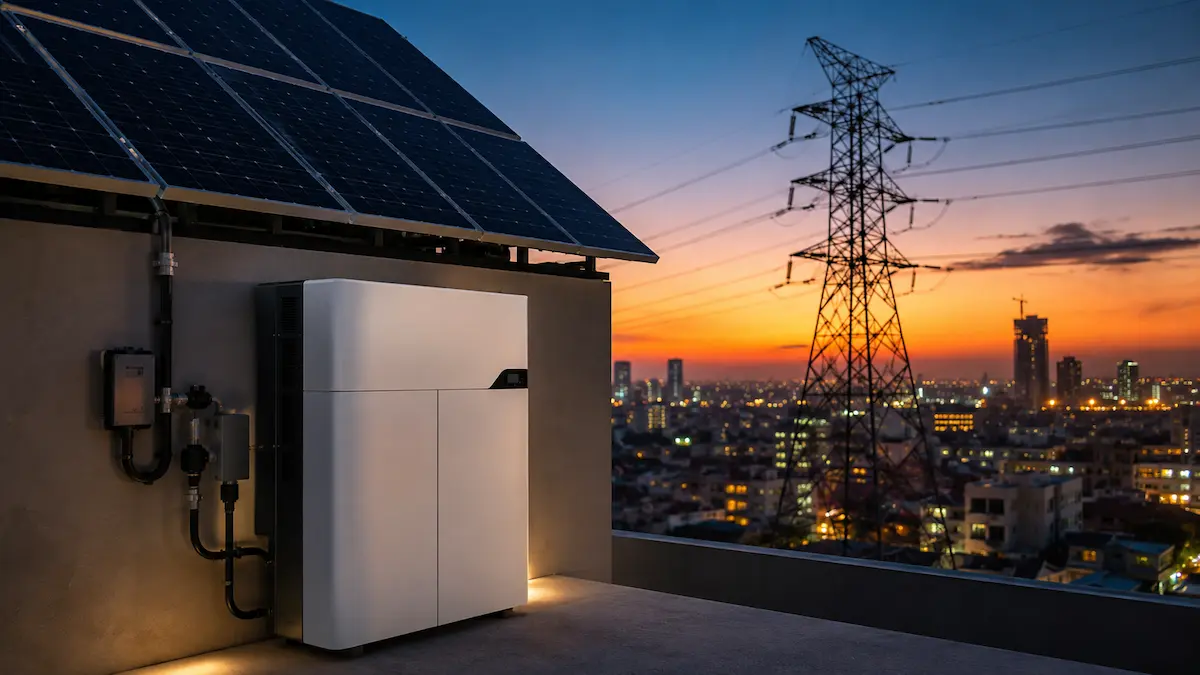
The Power Division is reviewing a plan to pay extra for electricity that comes from home and business batteries. This would apply only during evening peak hours, from 5 PM to 10 PM.
Right now, solar users mostly get paid for power exported during the day. This new plan looks at battery power sent to the grid at night instead.
How the Time of Use Net Metering Plan Would Work
The idea is called Time of Use net metering. Solar panels charge a battery during the day. Then, in the evening, that stored power goes back to the grid.
This matters because demand for electricity in Pakistan stays high after sunset, even though solar panels stop producing power once the sun goes down.
Why Battery Storage Is Getting More Attention
For years, most of the talk around solar power in Pakistan focused on panels. Now battery storage is becoming just as important.
Rising electricity bills and frequent load shedding have pushed many households toward battery backed solar systems. As solar imports have grown, battery adoption has followed a similar path.
According to the National Electric Power Regulatory Authority (NEPRA), any changes to net metering tariffs must go through formal regulatory review before they can take effect.
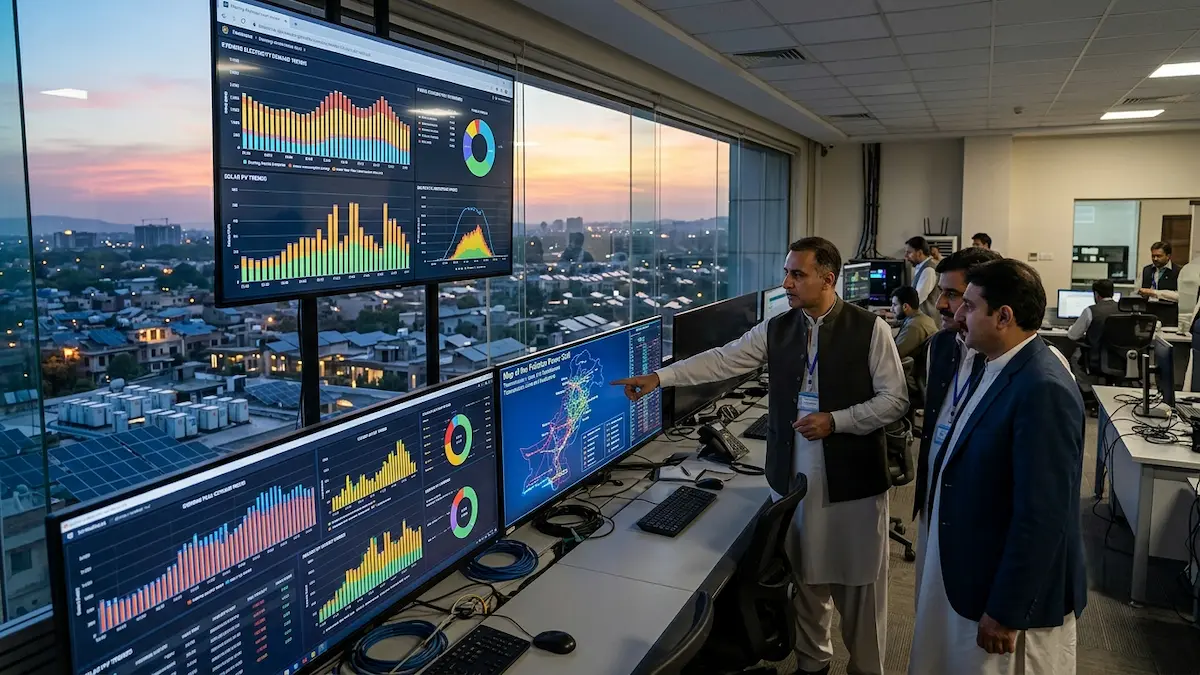
Current Net Metering vs the Proposed Model
| Feature | Current Net Metering | Proposed Time of Use Model |
|---|---|---|
| Main focus | Daytime solar exports | Evening battery exports |
| Storage required | Not essential | Battery storage required |
| Peak hour incentive | No separate reward | Rs 18 to Rs 22 per kWh proposed |
| Objective | Offset electricity use | Support the grid at peak demand |
| Status | Existing framework | Proposal under discussion |
Who Could Benefit If the Plan Is Approved
If the plan moves forward, it would mainly help people who already have battery backed solar systems. This includes homes, shops, and factories that store solar power.
Solar users without a battery may not qualify, since the incentive is built around stored power, not daytime exports. This is also worth reading alongside recent updates on tax relief for solar users, since both changes affect the overall cost of going solar in Pakistan.
What Questions Remain Unanswered
Several details are still missing. Officials have not said which consumers will qualify, whether new smart meters will be needed, or how payments will be added to electricity bills.
These answers are expected to come once the Power Division finishes its review and NEPRA weighs in on any regulatory changes.
Frequently Asked Questions
Will Pakistan start paying solar battery owners Rs 18 to Rs 22 per unit?
Not yet. The Power Division has proposed this rate for battery power exported during evening peak hours. The plan is still under discussion.
Who could qualify for the proposed solar battery incentive?
Consumers with battery backed solar systems who can export stored power between 5 PM and 10 PM. Final rules have not been confirmed.
Will existing net metering customers automatically get the new payment?
No. Consumers without battery storage are unlikely to qualify, since the plan focuses on stored power exported during peak hours.
Why is the government focusing on evening electricity demand?
Demand stays high after sunset while solar output drops. Evening demand has already crossed 26,000 MW, adding pressure on the grid.
Will consumers need a new meter for the incentive?
This has not been confirmed. A compatible smart meter may be required if the plan is approved.
Has NEPRA approved the proposed Time of Use incentive?
No. The proposal still needs regulatory review before any tariff or net metering change can take effect.