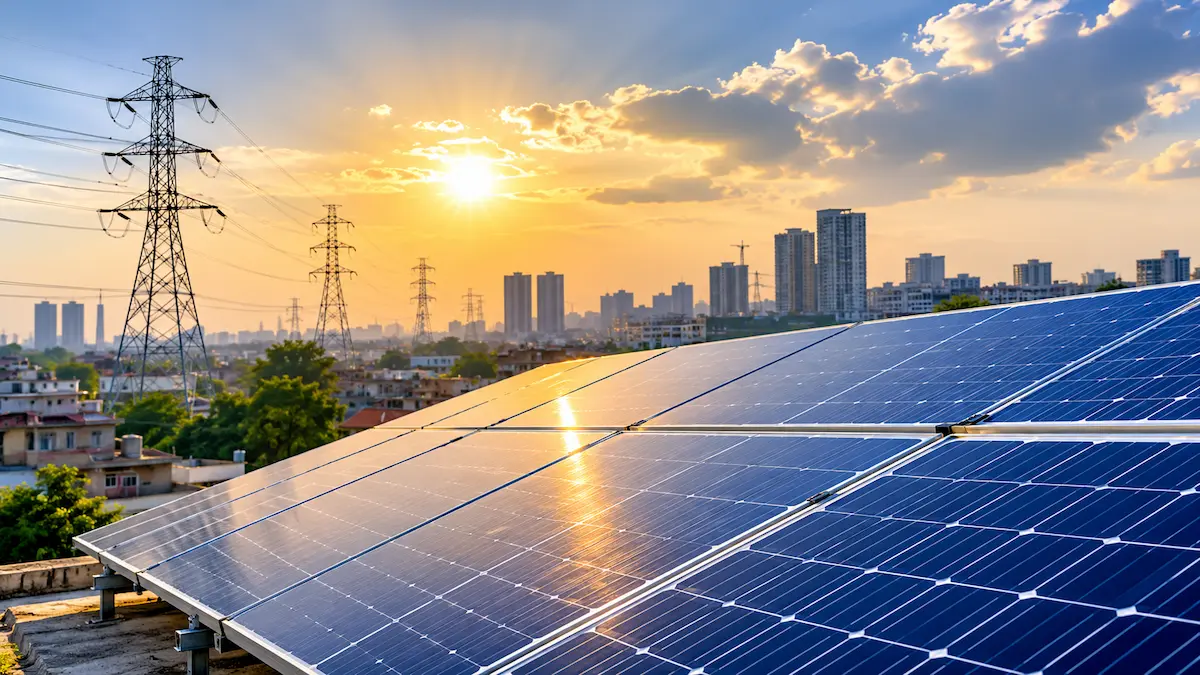
Pakistan Emerges as the World’s Third Largest Solar Panel Importer
Pakistan has climbed to become the third largest solar panel importer on the planet. Trade data shows the country brought in about 50 to 51.5 gigawatts of solar modules, most of them from China.
This is a massive jump from under 2 gigawatts in 2020. By 2024, yearly imports had crossed 16 gigawatts, and the pace only picked up as global solar prices kept falling through 2025.
This matters because Pakistan is not a major manufacturer of solar equipment. Almost every panel powering a home or factory today was shipped in from abroad, which shows just how fast households and businesses have turned to solar.
According to international trade analysis and industry reports from Ember, TransitionZero, PRIED and pv magazine, Pakistan has become one of the largest destinations for Chinese solar modules anywhere in the world.
Why Pakistan’s Solar Market Grew So Quickly
Electricity tariffs in Pakistan have increased sharply over the past few years. Many households and businesses started looking for ways to cut their power bills, and solar became the clear answer.
At the same time, Chinese solar module prices dropped significantly, making panels far more affordable than before. Readers can track this trend in our earlier report on the recent drop in solar panel prices across Pakistan.
Frequent load shedding and reliability concerns pushed families and factory owners to see solar as protection against both rising costs and an unstable grid.
Rooftop Solar Is Growing Faster Than Official Statistics
Government figures mainly track net metered connections and utility scale solar projects. But a large share of Pakistan’s solar boom is happening outside this official count.
Residential rooftops, commercial buildings, agricultural tube wells and fully off grid systems are rarely captured in national statistics, yet they make up a growing part of the country’s real solar capacity.
Recent research by TransitionZero and PRIED estimates that Pakistan may already have more than 30 gigawatts of installed solar capacity, much of which sits outside traditional reporting systems. In simple terms, distributed systems remain difficult to measure.
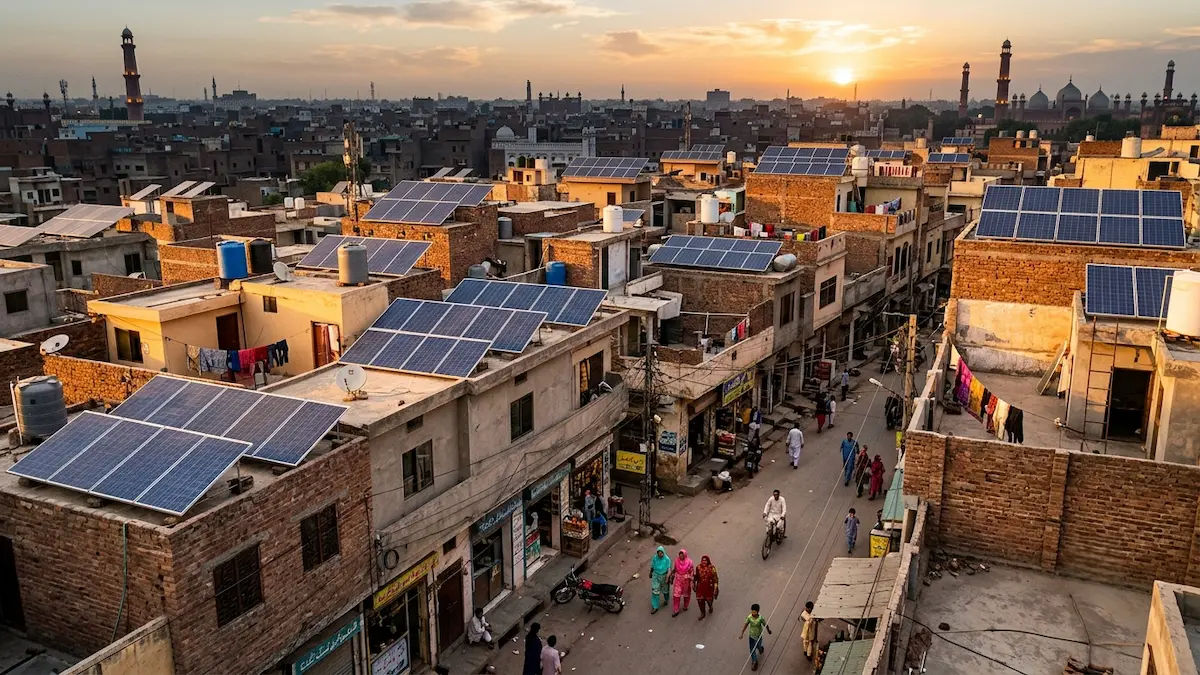
How Homes, Businesses and Farmers Are Driving the Shift
Homes
Rooftop solar systems are becoming common in residential neighborhoods. Falling payback periods and lower monthly electricity bills are the biggest reasons families are switching.
Businesses
Factories, textile units, shopping malls and warehouses are installing large solar arrays to reduce their dependence on expensive daytime grid electricity. Many are also exploring sodium ion battery storage options to keep power flowing after sunset.
Agriculture
Farmers are replacing diesel powered tube wells with solar pumps for irrigation. This cuts fuel costs and gives farmers a more predictable monthly expense.
What This Means for Pakistan’s Economy
A rapid shift to solar power can lower the country’s dependence on imported fuel used for electricity generation. This reduces exposure to swings in international oil prices.
Many households are also benefiting from recent policy changes. Our earlier coverage explains the tax relief for solar users that eased concerns among new solar adopters.
Over the long run, TransitionZero, Ember and pv magazine suggest this shift could support foreign exchange savings and greater energy diversification for Pakistan.
Challenges That Still Remain
The solar boom is not without problems. Grid integration remains difficult as more homes and businesses generate their own power.
Net metering rules are under review, battery storage costs are still high for many households, and distribution losses continue to affect the wider power system.
Financing solar systems remains out of reach for many lower income households, and questions about recycling old solar panels are only beginning to be addressed.
Why Official Solar Numbers Look Lower
Official statistics usually count licensed projects and grid connected systems only. Independent research includes commercial rooftops, farm installations and private off grid systems as well.
This difference in scope is the main reason government numbers and independent research estimates do not match. As per international energy monitoring bodies such as the International Energy Agency, distributed solar capacity is often undercounted worldwide, not just in Pakistan.
| Solar Growth Snapshot | Latest Estimate |
|---|---|
| Global importer ranking | 3rd |
| Imported modules | 50 to 51.5 GW |
| Estimated installed capacity | 29 to 34 GW |
| Net metered capacity | About 6 to 7 GW |
| Utility scale solar | Under 1 GW |
| Main supplier | China |
Pakistan’s Solar Growth Timeline
2020: Less than 2 gigawatts of solar panels imported.
2022: Electricity prices increased sharply, pushing more buyers toward solar.
2024: Yearly imports crossed 16 gigawatts for the first time.
2025: Global solar prices reached historic lows.
2026: Pakistan ranked among the world’s largest solar panel importers.
What Happens Next?
Rooftop installations are expected to keep growing across homes, farms and businesses. Regulators are reviewing how distributed solar should be counted and managed going forward.
Investment in grid upgrades is likely to continue, and demand for solar panels and battery storage is expected to stay strong through the rest of 2026.
Frequently Asked Questions
Why has Pakistan become the third largest solar panel importer?
Falling global module prices, rising electricity tariffs, and strong demand from homes and businesses pushed imports from China to record levels between 2020 and 2025.
How many solar panels has Pakistan imported?
Pakistan imported roughly 50 to 51.5 gigawatts worth of solar panels in recent years, most of them sourced from Chinese manufacturers, according to trade and energy research groups.
Why do official solar capacity figures differ from research estimates?
Official figures mostly count licensed, grid connected and net metered systems. Independent research also includes rooftop, commercial, agricultural and off grid systems, which explains the higher estimates.
Is rooftop solar still growing in Pakistan?
Yes. Rooftop solar continues to grow steadily as households, factories, shopping malls and farmers install panels to cut electricity bills and reduce dependence on the national grid.
What sectors are using solar power the most?
Homes, textile factories, warehouses, shopping malls and agricultural tube wells are among the biggest users of solar power in Pakistan today.
How does solar power reduce Pakistan’s fuel imports?
As more homes and industries generate their own electricity from solar panels, national demand for imported fuel used in power generation drops, which can help ease pressure on foreign exchange reserves.