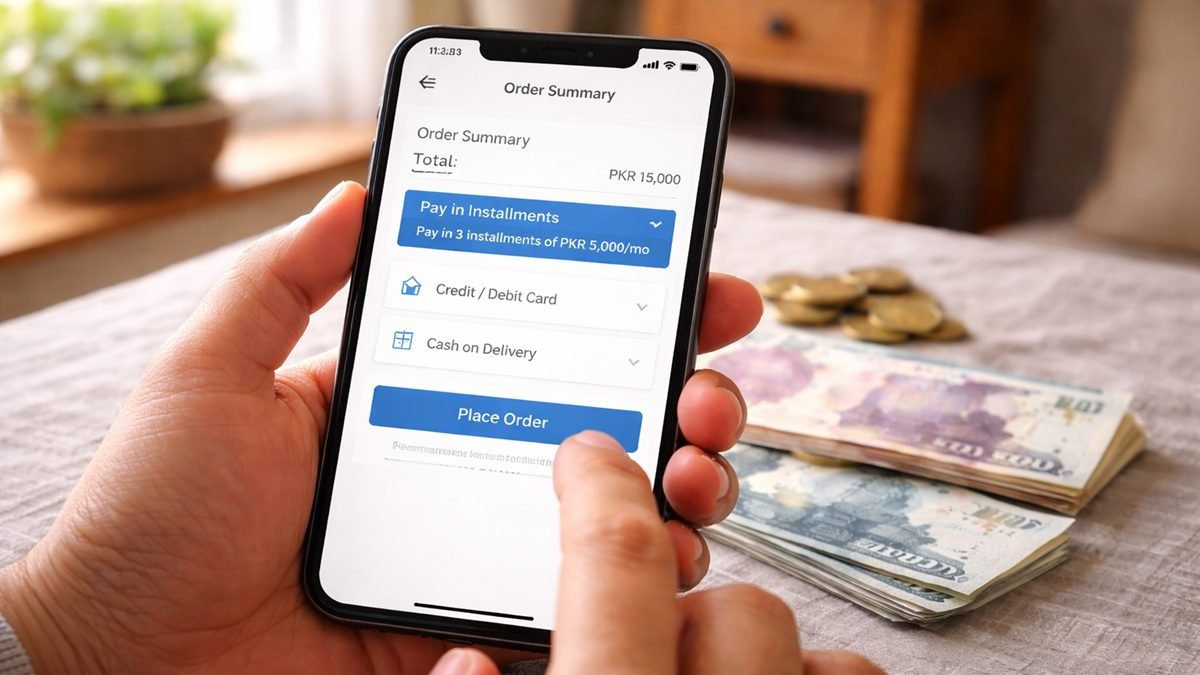
Pakistan’s fintech space just changed direction. A new Buy Now Pay Later service backed by Alibaba Group has entered through Koko Tech Pakistan. People are already under financial pressure. Prices are high. Salaries are not growing at the same pace. So, easy installment options look very attractive right now.
I tested BNPL apps myself in Rawalpindi. These tools can help. But they can also trap users who are not careful. Here is a clear breakdown of what just happened and what it means for you.
What Just Happened in Pakistan’s Fintech Market
On April 13, 2026, the Securities and Exchange Commission of Pakistan gave Koko Tech a Non-Banking Finance Company license. This approval allows Koko to offer installment-based payments legally inside Pakistan.
Pakistan still has low access to formal credit. According to the State Bank of Pakistan, credit card usage remains limited compared to the overall population. Because of this gap, BNPL is growing fast. Now, with Alibaba entering, competition will increase sharply.
This matters beyond fintech news. Pakistan’s informal economy means millions of workers have no credit history. BNPL does not need one. That is why this launch changes access — not just for middle-class shoppers, but for everyday people who were ignored by traditional banks. You can read more about Pakistan’s broader tech shifts in this piece on Pakistan’s rising trends in AI and 5G.
Competitor Showdown: Koko vs Local BNPL Players
Pakistan already has strong local players. Each one focuses on a slightly different user group. Here is a clear comparison.
| Provider | Backing | Key Features | Limits | Local Strength |
|---|---|---|---|---|
| Koko Tech | Alibaba | AI credit scoring | Not public | Daraz ecosystem |
| SimSim | Local fintech | Instant CNIC approval | PKR 5k–50k | Fast onboarding |
| QisstPay | Startup | Flexible plans | Up to PKR 100k | Retail partnerships |
| Tamam | Telecom-backed | Wallet-based BNPL | PKR 10k | Mass reach |
| Kistpay | Local | Phone financing | Flexible | Youth segment |
For more industry updates, follow discussions on the Pakistan Fintech Network.
Why BNPL Is Growing in Pakistan
Three key drivers are pushing BNPL growth right now:
- Inflation has reduced purchasing power. Many people cannot pay large amounts upfront.
- Traditional loans are hard to get. Many users work in informal sectors with no paper trail.
- Digital wallets are expanding access. Apps like JazzCash and Easypaisa have normalized mobile payments.
You can review payment data at the State Bank of Pakistan.
In my experience, freelancers use BNPL to buy phones and laptops. That is practical demand. Not just hype. This is especially relevant given how Pakistan’s energy crisis adds financial pressure on households — something I covered in detail in this piece on Pakistan’s energy and fuel risks.
Daraz Integration: Why It Matters Most
The biggest advantage for Koko is its link with Daraz. Daraz is one of the largest e-commerce platforms in Pakistan. It is also owned by Alibaba. This means integration could be smooth and fast.
Expected Checkout Experience
- BNPL option visible directly at checkout
- Quick approval using AI scoring
- Installments spread over 3 to 12 months
From my own use of Daraz, simple checkout options increase usage quickly. If BNPL appears clearly at payment, adoption will rise fast. Track updates on Daraz Pakistan.
Eligibility and Limits: What to Expect
Koko has not shared full details yet. Still, patterns are clear based on existing BNPL models in Pakistan.
Basic Eligibility
- Valid CNIC
- Age above 18
- Mobile number verification
- Basic financial activity record
These align with guidelines discussed by the State Bank of Pakistan.
| User Level | Estimated Limit |
|---|---|
| New users | PKR 5,000 – 25,000 |
| Active users | PKR 50,000 – 200,000 |
| High-trust users | PKR 500,000+ |
From personal experience, limits increase quickly with on-time payments. The system rewards discipline.
Risks: Where Users Get Trapped
Now comes the serious part. BNPL feels simple. But it leads to problems without planning.
⚠️ Common Risk Patterns
- Using multiple BNPL apps — this stacks debt quickly
- Missing due dates — even one missed payment triggers extra charges
- Hidden fees after promotional offers end
- Emotional or impulse spending on things not budgeted
Consumer protection guidelines are available on the State Bank of Pakistan.
Step-by-Step Guide: Use BNPL Safely
Here is a simple system that works in Pakistan. I tested this approach personally.
Try a low-value purchase first. Get comfortable before increasing the amount.
Avoid confusion and debt stacking. One active BNPL account is enough.
Link your wallet or bank account so payments happen without you remembering.
Use reminders or a simple notes app. Know exactly what you owe and when.
Avoid emotional spending. If you were not planning to buy it, do not use BNPL for it.
What Changed from Last Year
The market has evolved quickly. In 2024, only local startups were active. Growth was slow but steady. Now in 2026, things look very different.
- A global company has entered the Pakistani market
- Investment has increased across the sector
- Competition between players is stronger than ever
- Regulation is tighter and more structured
You can review financial updates in reports from the State Bank of Pakistan. This shift will push innovation but also increase the need for user awareness.
Expert Insights: What Industry Signals Say
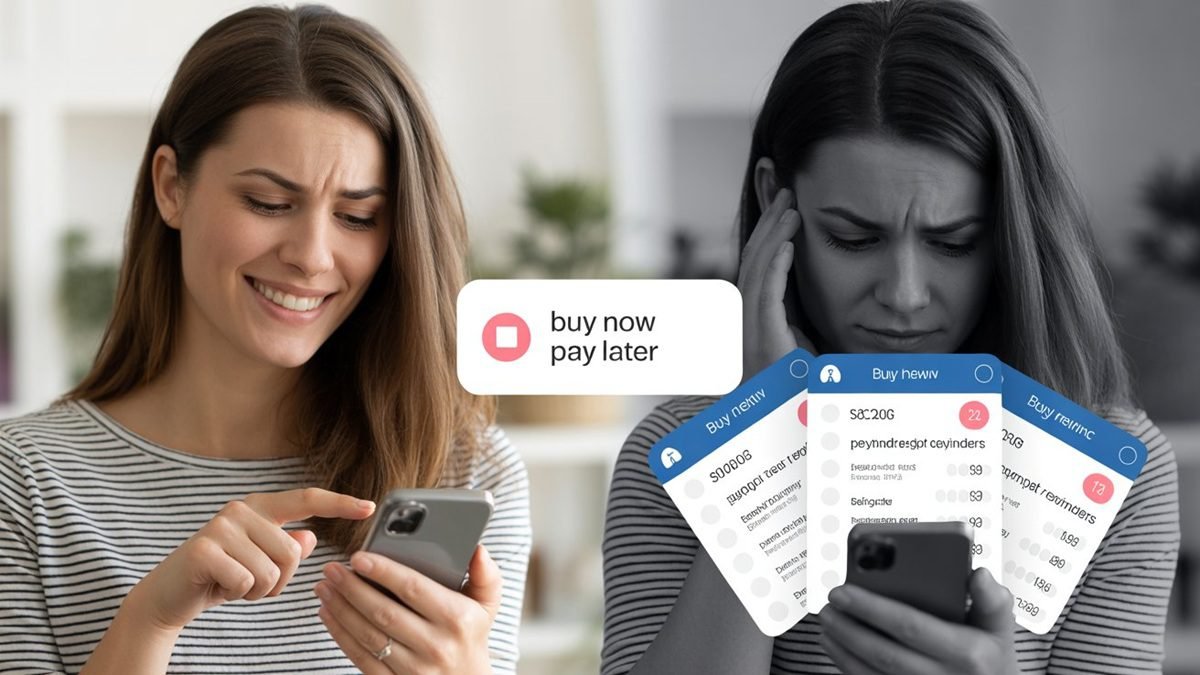
Fintech experts see both opportunity and risk in this launch. Some believe global companies improve technology and fraud detection. Others warn about rising consumer debt in a market still building financial literacy.
Discussions from the Pakistan Fintech Network highlight this balance. At the same time, the State Bank of Pakistan continues to refine lending rules. Regulators are actively watching this space.
What Happens Next
Watch for These Developments
- Koko appearing on the Daraz checkout page
- Competitors lowering fees or removing limits
- Expansion to smaller cities beyond Karachi and Lahore
- Stronger consumer protection regulations
Growth is expected. But control will also increase in this space.
Key Takeaways
Alibaba’s entry through Koko Tech changes the BNPL competitive landscape
Access to credit will improve for users outside the formal banking system
Real risks remain — hidden fees, missed payments, debt stacking
Regulation from SECP and SBP will shape how this grows
Daraz integration is the single biggest factor to watch
Frequently Asked Questions
It allows users to buy products and pay in installments instead of full payment upfront. Koko Tech Pakistan received its NBFC license from SECP on April 13, 2026, and is backed by Alibaba Group.
Yes, but only if payments are made on time. Missing due dates leads to extra charges. Use it with discipline and stick to one app at a time.
Integration is expected. Both Koko Tech and Daraz are connected to Alibaba Group. A BNPL option at Daraz checkout is the most likely next step.
New users may start between PKR 5,000 and 25,000. Active users with on-time payments can see limits grow to PKR 200,000 or more over time.
Yes. Most platforms support users without formal salaries. Freelancers commonly use BNPL to buy phones and laptops for their work.
Koko uses AI-based credit scoring and has a direct link to the Daraz platform. SimSim offers faster approval under 2 minutes. QisstPay allows higher limits up to PKR 100,000. Each serves a slightly different user.
Final Word