Basant in Lahore 2026: Free Transport, New Safety Rules & What You Need to Know
Pakistan’s most controversial festival returns with unprecedented safety measures and government support

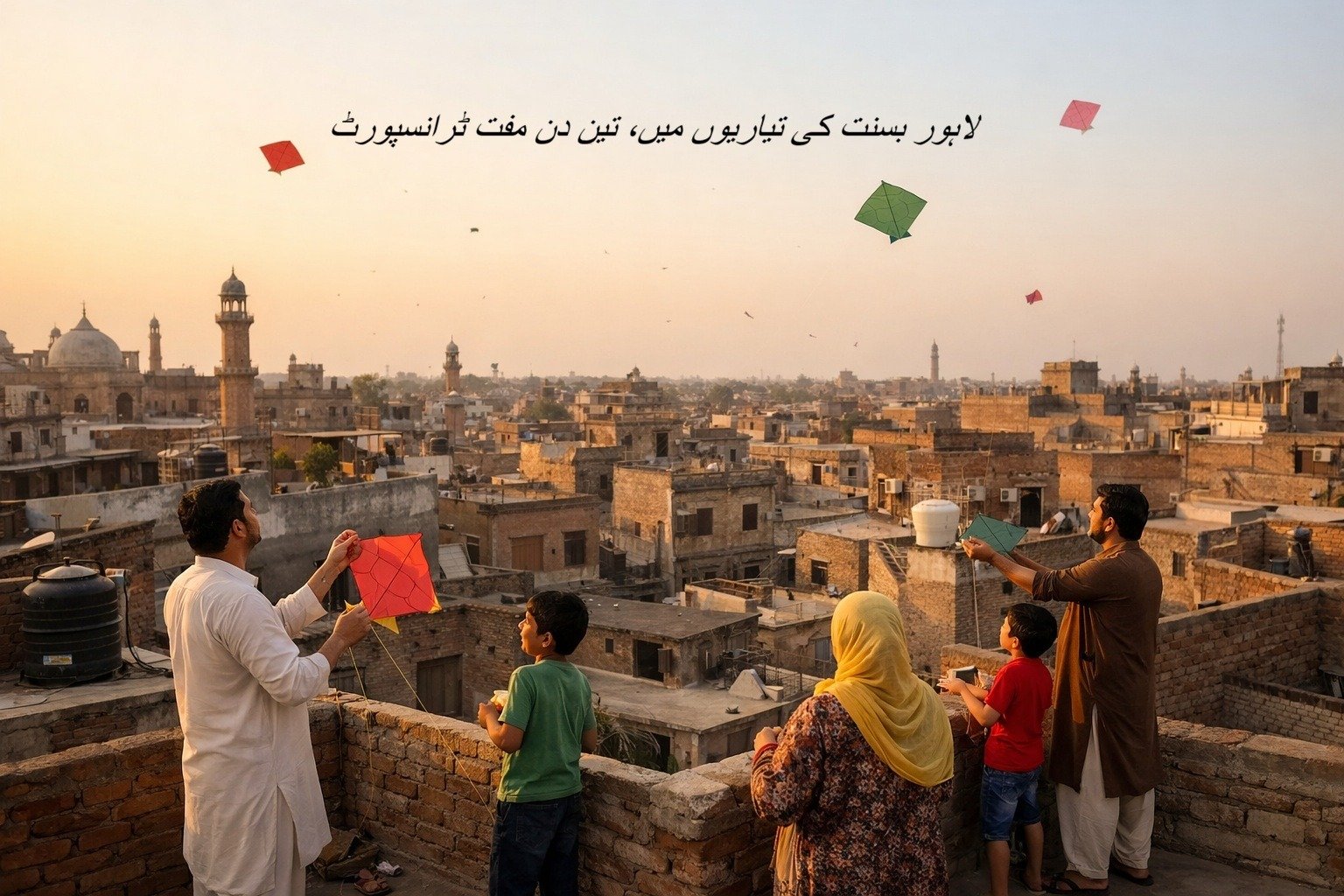
Lahore’s skies once again fill with colour as Basant makes its official comeback in 2026
After nearly two decades of bans, legal battles, and heated public debate, Basant is making an official comeback to Lahore. But here’s what most people are missing: this isn’t the same Basant you remember.
The 2026 revival comes with something unprecedented in Pakistan’s festival management history. Free public transport, regulated manufacturing, and a strict three-day window. The transport part might actually matter more than the kites.
Here’s what’s really happening and why it’s bigger than a festival.
🎯 Quick Facts at a Glance
- Dates: February 6–8, 2026 (three days only)
- Location: Lahore (pilot city)
- Free Transport: All government buses and registered rickshaws
- Manufacturing Start: December 30, 2025
- Scope: Controlled public event, not an unrestricted festival
Official Basant Dates: February 6–8, 2026
Let’s clear up the confusion right away. According to Punjab government administrative briefings, Basant in Lahore will officially run for three consecutive days from February 6 through February 8, 2026.
This isn’t a vague seasonal timing guess. It’s a fixed, government-sanctioned timeline. Authorities can concentrate resources instead of maintaining indefinite vigilance across weeks.
Limiting Basant to three specific days changes enforcement entirely. Police, rescue services, and municipal bodies can now plan rotations, allocate emergency resources, and coordinate inspections with precision. That was nearly impossible when Basant had no official boundaries.
Lahore’s expanding urban transport infrastructure also plays a role here. A well-connected public transit system makes free transport on festival days far more effective than it would have been a decade ago.
Free Transport: The Game-Changer Nobody Is Talking About
Everyone’s debating kite flying. But the Punjab government made a decision that could change how Pakistan manages large public events forever: completely free public transport during all three days of Basant.
Government buses, metro services, and all registered rickshaws will operate without fares throughout the festival period in Lahore. No charge. Zero.
Why Transport Matters More Than Kites
Historical emergency data from previous Basant celebrations shows something most people overlook. The majority of serious injuries didn’t happen on rooftops. They happened on roads.
Motorcycle riders were particularly vulnerable. Sharp kite strings stretched across streets at neck height caused fatal accidents year after year. Delivery workers, commuters, and children on bikes became victims of what was supposed to be joyful.
The Transport Strategy Breakdown:
- Reduces motorcycle dependency: When buses are free, people leave bikes at home
- Lowers road congestion: Fewer private vehicles mean clearer emergency routes
- Improves response times: Ambulances and rescue services navigate faster
- Minimizes high-risk exposure: Two-wheeler riders face the greatest danger from kite strings
According to urban mobility research published by the International Transport Forum, restricting private vehicle usage during high-risk events and expanding public transport is one of the most effective tools for reducing festival-related injuries. Lahore is applying that global logic to Basant.
This is smart governance. And it’s overdue.
| Safety Measure | Implementation | Expected Impact |
|---|---|---|
| Free Public Transport | Feb 6–8, 2026 | 30–40% reduction in motorcycle usage |
| Regulated Manufacturing | Starts Dec 30, 2025 | Elimination of dangerous string materials |
| Three-Day Limit | Strict enforcement window | Focused resource deployment |
| Mandatory Registration | All manufacturers & sellers | Accountability and traceability |
The New Safety Framework: What Is Actually Different This Time
Everyone’s wondering: if Basant couldn’t be managed before, why believe it’ll work now? The answer isn’t optimism. It’s structural design.
Authorities are relying on three interconnected changes that didn’t exist during previous Basant celebrations.
1. Controlled Duration Strategy
Limiting the festival to three days isn’t arbitrary. It’s based on enforcement capacity analysis. Concentrated deployment allows:
- Police to work rotating 12-hour shifts without exhaustion
- Rescue services to maintain full staffing throughout
- Inspectors to conduct meaningful spot checks rather than token surveillance
- Emergency rooms to prepare with additional staff and supplies
Compare that to previous years when Basant unofficially stretched for weeks, depleting resources and creating enforcement fatigue. A three-day window makes compliance measurable and violations prosecutable.
2. Supply-Side Regulation Model
This is where the government’s approach gets genuinely innovative. Instead of chasing violations after dangerous kites reach consumers, they’re regulating manufacturing at the source.
According to Punjab commerce and local government guidelines, all kite makers must now register, use approved materials, and maintain sales records. The objective is to stop hazardous strings before they enter circulation. Research from WHO’s road safety framework supports supply-side interventions as a primary prevention strategy for event-related injuries.
3. Mobility Management Infrastructure
Beyond free transport, traffic routing, parking restrictions, and designated celebration zones are all being coordinated. This multi-agency approach combines transport, police, and municipal authorities. It’s the first time Basant is being treated as a logistics challenge rather than just a cultural event. The Punjab government’s growing focus on structured civic programs reflects a broader shift in how the province is approaching public management.

Lahore’s historic rooftops will once again host kite flyers under the new controlled framework
Kite Manufacturing Begins December 30: Economic Relief With Accountability
Before the ban, Basant supported thousands of families in Lahore’s inner-city areas. Kite-making wasn’t just a business. It was seasonal livelihood for entire neighbourhoods. The prolonged suspension devastated these micro-economies.
The decision to permit manufacturing from December 30 — nearly five weeks before the festival — signals that authorities recognise this economic dimension. But it comes with non-negotiable conditions.
Manufacturing Requirements for 2026:
- Mandatory government registration before operations begin
- Use of approved materials only (cotton string, safe dyes)
- Maintenance of production and sales records
- Clear accountability chains for violations
- Surprise inspections and quality audits
This formalization approach balances economic relief with public safety. The government isn’t just saying “make kites again.” They’re saying “make kites, but you’re responsible for what you produce.” If unsafe materials are found during inspections, manufacturers face penalties and license revocation.
The International Labour Organization’s guidelines on informal economy formalization highlight exactly this kind of approach as effective for bringing artisan industries into regulated frameworks without destroying livelihoods.
It’s a model that could theoretically work. Whether enforcement capacity matches regulatory ambition is what February will reveal.
Why This Matters: Beyond Kites and Celebration
Let’s zoom out. The return of Basant in Lahore 2026 matters far beyond cultural nostalgia or economic relief. This is effectively a national experiment in governance.
If this controlled revival succeeds, it could influence:
- Other banned cultural events: Several traditional celebrations remain restricted across Pakistan due to safety concerns
- Political rally management: Crowd control techniques tested during Basant could apply to large political gatherings
- Religious procession safety: Transport and emergency response protocols might transfer to Muharram and other processions
- Public trust in regulation: Demonstrating that rules work better than blanket bans could shift how citizens view governance
Basant 2026 is Pakistan testing whether it can manage large civilian events without resorting to prohibition. That’s a significant question with implications extending well beyond Lahore’s rooftops.
Skepticism and Controversy: The Concerns That Remain
Not everyone is convinced this will work. Their concerns aren’t baseless.
Enforcement Capacity Questions
Pakistan’s track record with consistent enforcement is mixed. Will inspectors actually show up to manufacturing facilities? Will police maintain vigilance for three full days? These aren’t cynical questions. They’re based on past experience with similar initiatives that started strong and faltered during implementation.
Informal Market Concerns
Even with registration requirements, informal markets are notoriously difficult to control. What happens to unregistered sellers operating outside official channels? How do authorities monitor neighbourhood-level transactions? There’s a real possibility that dangerous kite strings will still circulate despite regulations.
Rooftop Overcrowding
While transport planning addresses road safety, rooftop safety remains a concern. Buildings in older Lahore areas weren’t designed for festival crowds. Structural failures, falls, and crowding injuries have occurred in past celebrations.
The skepticism is justified. But responsibility is no longer ambiguous. Success or failure will be measurable, and accountability mechanisms exist on paper. Whether they function in practice is what we’ll find out in February.
What Happens Next? Timeline and Expectations
📅 Key Dates to Watch:
- December 30, 2025: Registered kite manufacturing begins
- January 2026: First wave of inspections and compliance checks
- Late January: Transport logistics finalised, emergency protocols tested
- February 1–5: Public awareness campaigns, safety messaging intensifies
- February 6–8: Basant festival days with free transport
- February 9 onwards: Assessment phase, data collection on incidents
If incidents remain low and enforcement holds, expect gradual expansion. Other cities might receive approval for 2027. Manufacturing windows could extend. Regulations might adjust based on lessons learned.
If serious accidents occur or enforcement collapses, authorities will face immense pressure to reimpose bans. The stakes are genuinely high. Public cooperation will be crucial. Community buy-in matters.
Frequently Asked Questions About Basant in Lahore 2026
Final Take: A Controlled Comeback, Not a Full Revival
Let’s be clear about what Basant in Lahore 2026 actually represents. This isn’t a nostalgic return to the way things were. It’s not an unrestricted celebration where the entire city flies kites for weeks on end.
What we’re seeing is a policy experiment. A carefully structured attempt to blend cultural celebration with modern safety management, economic relief with regulatory oversight, and public joy with government accountability.
The free transport initiative alone represents innovative thinking in Pakistani governance. The manufacturing controls show willingness to formalise informal economies. The three-day limit demonstrates understanding of enforcement capacity.
For now, the confirmed dates, free transport system, and regulated manufacturing represent the most structured attempt to revive Basant in Pakistan’s history. February 2026 will reveal whether structure is enough. And that’s precisely why this story matters beyond kites and celebration.