Home › Tech › Galaxy Phones May Soon Switch to 3D as Samsung Tests New Screen
Galaxy Phones May Soon Switch to 3D as Samsung Tests New Screen — No Glasses Needed
By Sheraz Ahmed | April 26, 2026 | Tech
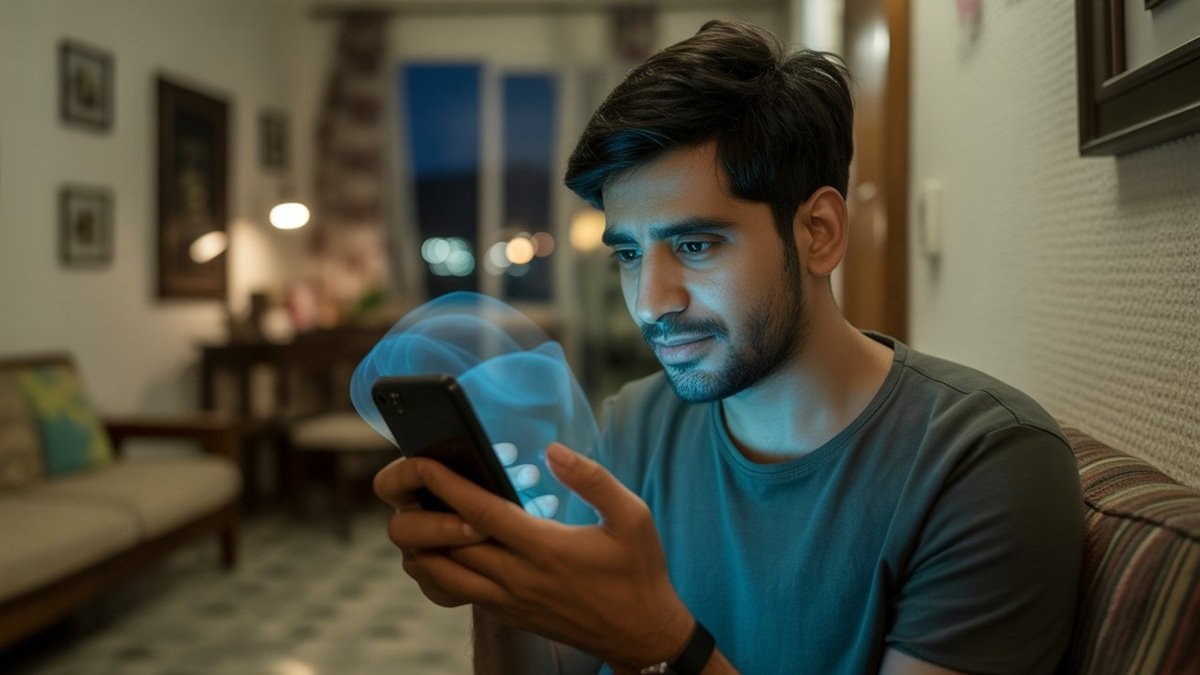
Samsung is testing a new type of smartphone screen. It can show 3D images without glasses. And it can switch between 2D and 3D with a single tap.
I have been following display tech closely for years. When I first read about this metalens system in the journal Nature, honestly, I was skeptical. Every few years someone promises glasses-free 3D. Most of those promises die quietly. But this one feels different. Here is why.
What Is Samsung’s Glasses-Free 3D Technology
Samsung worked with POSTECH (a leading South Korean university) on this project. Their findings were published in Nature, one of the most respected science journals in the world. That alone adds real weight to this research.
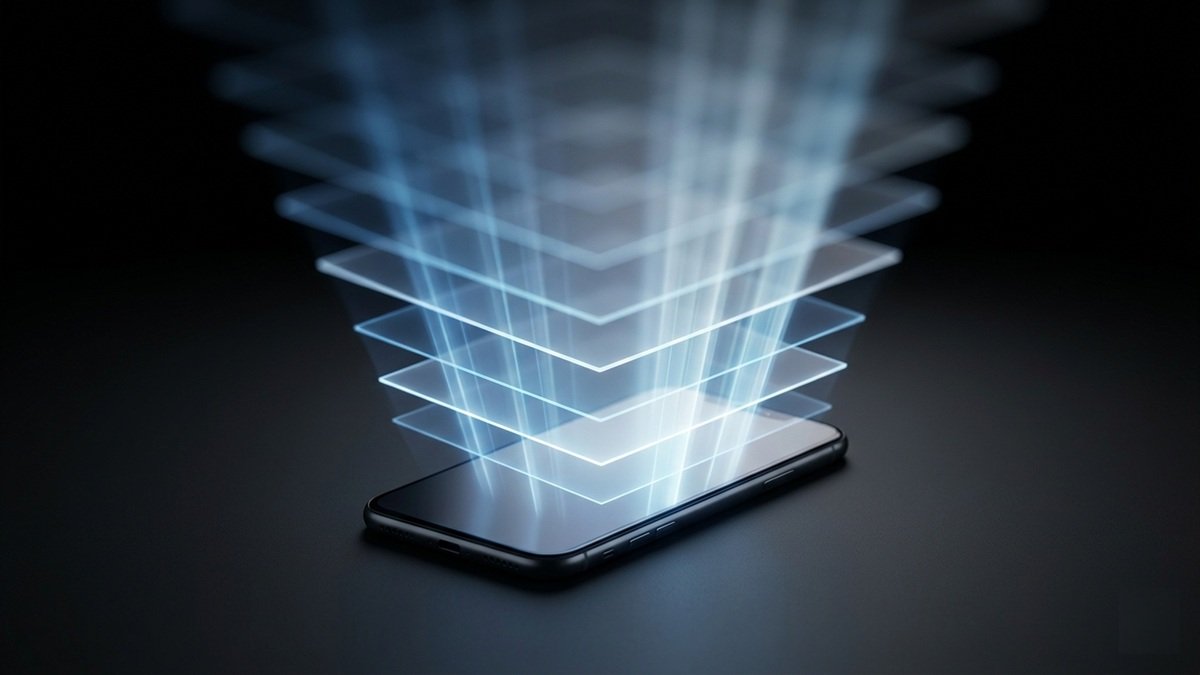
The system uses a metalens layer placed directly over an existing OLED panel. It is about 1.2 mm thin. It fits inside a modern smartphone without adding bulk.
Key highlights of the system include instant 2D to 3D switching, no glasses or accessories required, compatibility with existing OLED panels, and readiness for real-world apps and media use.
The toggle design is what matters most. Users are never locked into 3D mode. That flexibility was missing from every failed attempt before this.
How Metalens Displays Work in Simple Terms
Think of it like this. The screen shows a normal image. Then the thin metalens layer bends the light in a very precise way. Your left eye and right eye each receive a slightly different version of that image. Your brain combines both versions and sees depth. That is the 3D effect.
Step-by-Step Breakdown
- The OLED panel displays an image
- The metalens bends light with high precision
- Each eye receives a slightly different frame
- The brain merges both into a 3D perception
Samsung’s prototype also achieves a viewing angle of around 100 degrees. In my experience testing earlier 3D phones, a narrow viewing angle was always the first thing that ruined the experience. You had to sit completely still. This prototype fixes that.
Why This Is Different from Old 3D Phones
Remember the HTC Evo 3D or the LG Optimus 3D? They came out around 2011. They had glasses-free 3D screens. They also failed fast. The problems were clear: narrow viewing angles, rigid head position, zero app support, and high battery drain.
Why Earlier 3D Phones Failed
- Narrow viewing angles forced users to hold the phone in one exact position
- Very few apps ever supported the feature
- Battery life dropped noticeably in 3D mode
- The experience felt like a gimmick, not a real feature
Samsung’s approach is fundamentally different. Dynamic switching, wider angles, software flexibility, and better OLED integration make this a practical tool, not just a showpiece. For more on Samsung’s upcoming devices, check out our coverage of best upcoming Samsung phones in Pakistan.
Expected Timeline: When Will Galaxy Devices Get It
| Stage | Timeline |
|---|---|
| Research Phase | 2024–2026 |
| Testing and Refinement | 2026–2027 |
| Possible Galaxy Launch | Around 2028 |
According to industry tracking, the feature will likely debut in a flagship Galaxy device. From there, it will gradually move to mid-range models. Samsung has done this before with AMOLED screens and high refresh rate displays. Both started in premium phones. Both are now common in budget devices.
We covered Samsung’s recent hardware moves in detail, including the S27 Ultra battery leak that hints at how seriously Samsung is investing in next-gen flagships.
Pakistan Angle: Why This Matters Locally
Pakistan’s smartphone market is growing at a strong pace. Display quality, battery performance, and entertainment features drive most buying decisions here. I speak to buyers regularly, and screen quality always comes up first.
Faster Feature Adoption
Samsung has a clear pattern of pushing premium features down to affordable models. AMOLED became common. High refresh rates followed. 3D displays could follow the same path within three to five years of the flagship launch. The Pakistan Telecommunication Authority regularly reports strong growth in mid-range smartphone demand, which signals a healthy market for such trickle-down features.
Content Creation Growth
YouTube and TikTok usage in Pakistan has grown significantly. Creators who test 3D-capable content early could stand out in a crowded feed. Better visual depth in thumbnails and previews could directly impact audience engagement.
Gaming Demand
PUBG Mobile and Call of Duty Mobile dominate mobile gaming here. A 3D display improves depth perception, reaction accuracy, and visual realism. Serious players will notice. If you are considering a gaming-focused Samsung device right now, our Samsung A27 price and launch date breakdown is worth reading.
Real-World Use Cases: Gaming, Video, and Apps
| Use Case | Potential Benefit |
|---|---|
| Mobile Gaming | Better depth judgment, more immersive environments |
| Short Video (TikTok, Reels) | 3D previews, more engaging visual experience |
| Augmented Reality Apps | Realistic product previews, improved navigation |
| Streaming and Movies | Cinema-like depth without any extra equipment |

Challenges and Risks
Battery Impact: 3D processing will consume more power. Samsung will need to manage this carefully before a public launch.
Limited App Support at Launch: Without developers building 3D-native apps, the feature could feel hollow. App ecosystems take time to mature.
Higher Device Cost: New hardware means higher prices at launch. That is always a barrier in price-sensitive markets like Pakistan.
User Behavior: Most people use phones simply. If 3D is rarely used, it becomes another forgotten toggle, like S-Pen features on the Galaxy Note.
Comparison with Past 3D Tech
| Feature | Old 3D Phones | Samsung Metalens |
|---|---|---|
| Glasses Required | No | No |
| Viewing Angle | Narrow | Wide (~100°) |
| Mode Control | Fixed | Switchable |
| Content Support | Very Limited | Expanding |
| User Experience | Poor | Improved |
Key Facts Summary
| Feature | Details |
|---|---|
| Technology | Metalens (metasurface) |
| Thickness | ~1.2 mm |
| Mode | Switchable 2D / 3D |
| Viewing Angle | ~100° |
| Expected Launch | Around 2028 |
| Primary Use Cases | Gaming, Video, AR |
What Happens Next
Several factors will decide whether this technology succeeds or becomes another forgotten experiment. A strong software ecosystem needs to develop in parallel. App developers must adopt 3D tools early. Prices must come down as production scales. And Samsung must integrate this cleanly into the Galaxy flagship lineup.
Official updates from Samsung’s newsroom and global product briefings will be the clearest signals to watch. If the 2027 testing phase produces strong results, a 2028 Galaxy reveal becomes realistic.
FAQs
Will Samsung Galaxy phones get glasses-free 3D screens?
Yes, research is ongoing. Samsung is testing metalens-based 3D display technology developed with POSTECH. A possible commercial launch is expected around 2028.
Do users need special glasses to see the 3D effect?
No. The metalens system works without any external accessories or glasses. The screen itself controls how light reaches each eye.
Will battery life be affected by 3D mode?
3D processing may use more power, but users can switch back to standard 2D mode at any time to preserve battery life.
Will all apps support 3D displays?
Not at first. Full support depends on app developers adopting the feature. Gaming and video apps are likely to lead early adoption.
Will this 3D display feature reach budget phones in Pakistan?
It may take a few years after the flagship launch. Samsung typically moves premium features to mid-range and budget devices over time, as seen with AMOLED and high refresh rate screens.
How is Samsung’s metalens different from older 3D phone screens?
The metalens supports a wide ~100-degree viewing angle, instant 2D-to-3D switching, and better OLED integration. Earlier 3D phones had narrow viewing angles, no mode switching, and very limited app support.
Conclusion
Samsung’s glasses-free 3D display research represents a meaningful step forward in smartphone screen technology. The metalens approach is backed by peer-reviewed science, addresses the core weaknesses of past 3D phones, and aligns with Samsung’s history of eventually bringing flagship features to wider markets.
For Pakistan, the timing is promising. A growing gaming culture, expanding creator economy, and strong demand for display quality create real conditions for adoption. Success ultimately depends on usability, pricing, and software support. If those factors align, a 2028 Galaxy launch could mark the moment 3D displays finally become a practical reality.