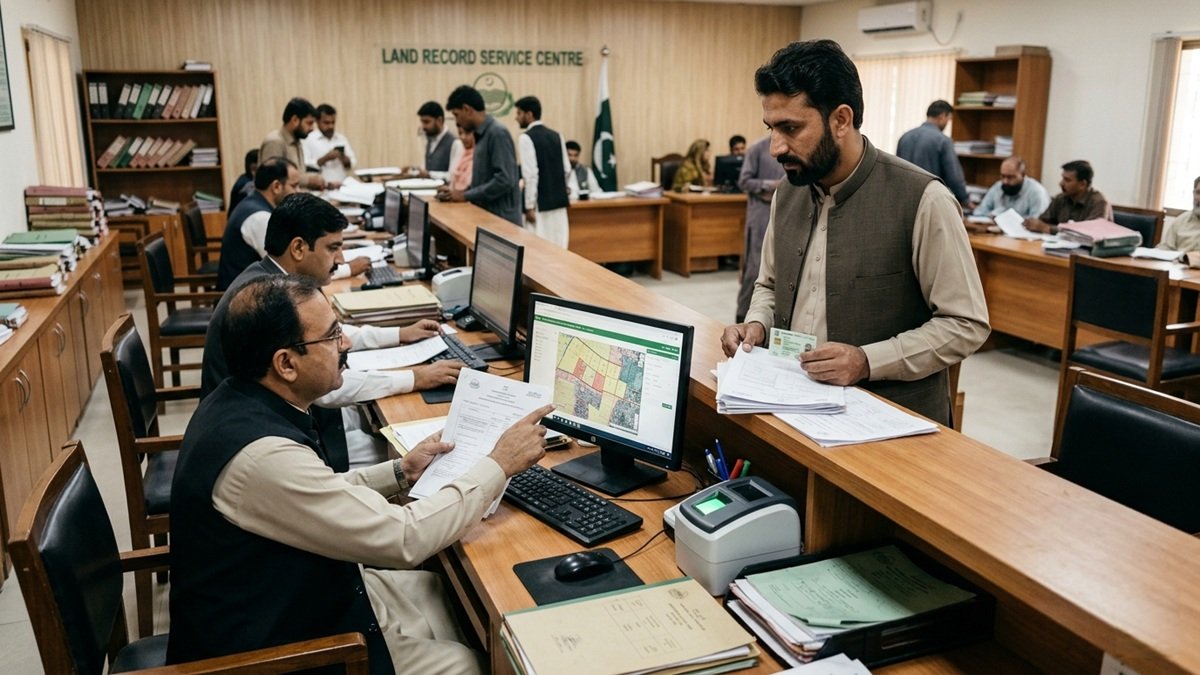
My uncle sold his plot in Gujranwala last year. Three weeks of back-and-forth with the patwari. Two trips to Lahore. And in the end, the buyer still was not sure if the land was genuinely his uncle’s to sell.
That story is about to become very common. Except now, there is a system designed to prevent it. And if you are not ready for it, your deal will not just slow down. It will stop.
Starting July 1, 2026, every property sale, purchase, transfer, or mortgage in Punjab will require a Green Property Certificate. No certificate. No registration. It is that simple.

What Is the Green Property Certificate?
The Green Property Certificate is an official digital document issued by the Punjab Land Records Authority (PLRA). Think of it as a land identity card. It links your property to a single verified digital record.
This certificate connects your property with:
- Your ownership record and CNIC details
- The exact khasra number on the cadastral map
- Punjab’s centralized digital land database
- A QR code that banks and buyers can scan for instant verification
Earlier, most transactions relied on fard papers, registry copies, and patwari records. These were easy to forge. The new system replaces that paper trail with one verified digital record. According to official sources, this is designed to end the era of fake sellers and double land sales.
I have seen families lose everything to fraudulent land deals. A forged fard, a willing corrupt patwari, and a desperate buyer. That combination has destroyed countless families across Punjab. This certificate is meant to make that impossible.
Why Punjab Made This Mandatory
Punjab’s property market has had serious problems for years. These include:
- Fake sellers posing as rightful owners
- Double sale of the same plot to multiple buyers
- Forged inheritance papers and unclear ownership claims
- Overlapping khasra numbers causing boundary disputes
- Decades-long court cases draining family savings
Punjab had already digitized land records through the Land Record Management Information System (LRMIS). But many people still used old paper documents during actual transactions. The digital database existed. People just were not using it.
Now the government is forcing the change. Every deal must start from the digital map. Not from a broker’s assurance. Not from a faded registry copy. From the official verified record.
This reform connects directly to the PULSE Project (Punjab Urban Land Systems Enhancement), a World Bank-supported initiative worth around $150 million. It runs from 2022 to 2027 under the Board of Revenue Punjab. Learn more at pulse.gop.pk.
In simple terms: PULSE creates the map. The Green Property Certificate makes that map mandatory for every deal.
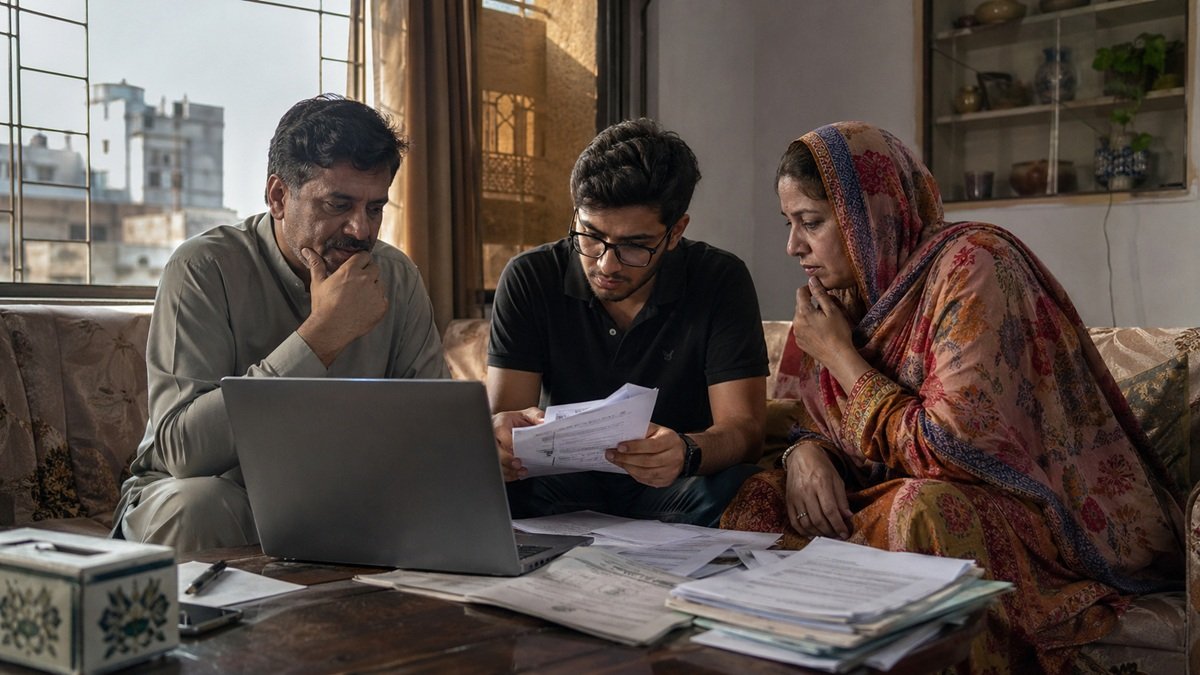
Punjab Rollout Timeline: District-Wise Schedule
The rule is rolling out in phases. Here is where things stand as of today:
| Area | Effective Date | Status |
|---|---|---|
| Sahiwal | Already active | Mandatory |
| Lodhran | June 1, 2026 | Mandatory soon |
| Hafizabad | June 1, 2026 | Mandatory soon |
| Rest of Punjab | July 1, 2026 | Province-wide rollout |
After these deadlines, property registration without the certificate may be delayed, blocked, or flagged for legal review. As per government announcements, the province-wide phase begins July 1, 2026.
This is why buyers across Punjab are already asking for the “green slip” before handing over any token money. Smart move, honestly.
If you are dealing with property in Rawalpindi or Islamabad’s surrounding areas, also check out our earlier guide on the Islamabad e-stamp rollout, as digital verification requirements are tightening across the region.
Fee and How to Apply
Certificate Fee: Around Rs 900 to Rs 950, depending on district implementation. Apply at your nearest Arazi Record Center (ARC).
Step-by-Step Application Process
Step 1: Visit Your Local Arazi Record Center (ARC)
Go to the ARC in the district where your property is located. Rawalpindi property means the Rawalpindi ARC. Sahiwal property means the Sahiwal ARC. District matching is important.
Step 2: Carry Required Documents
Bring your original CNIC, Fard/Jamabandi, registry copy or sale deed, khasra number, and inheritance papers if needed. Keep photocopies to save time.
Step 3: Request the Certificate at the Counter
Ask specifically for the Green Property Certificate. Staff will direct you to the verification desk.
Step 4: Digital Verification
PLRA officers check ownership details, khasra mapping, CNIC linkage, and legal record status. If everything matches, the system generates your certificate with a QR code.
Step 5: Receive Your Certificate
Simple cases are completed the same day. Inheritance or boundary issues may take a few working days.
For full details, visit the official portal: punjab-zameen.gov.pk
Also read: Punjab Property Registration: Fard Requirements for Buyers for related documentation guidance.
Who Will Be Most Affected
This reform protects genuine owners. But it creates real pressure for those with weak or unverified records.
High-Risk Groups
- Informal landowners relying on old pattas or handwritten transfers that were never digitized
- Small farmers who know land by field boundaries, not cadastral map numbers
- Inheritance cases where legal heirs were never updated in Jamabandi, which is especially common in family land divisions
- Property speculators using vague boundaries and informal arrangements
Women’s inheritance rights deserve special mention here. In my experience covering property disputes, women often face the most difficulty in getting inheritance records updated. If heirs were not properly recorded in Jamabandi, this system may flag the property before transfer is allowed. Families should get this sorted now, not after July 1.
Impact on Land Disputes
Punjab courts handle thousands of land dispute cases. Most start with unclear ownership. This system aims to prevent new disputes from starting.
What gets better:
- Each certificate links to a parcel-based digital map. Boundary disputes become harder to manufacture.
- Duplicate sales become much harder. Ownership can be checked instantly before money changes hands.
- Courts and revenue officers get one verified record instead of stacks of paper files.
The risk no one is talking about: If the digital map itself contains old survey mistakes, unrecorded inheritance divisions, or overlapping boundaries, this system will make those errors official. Technology only works when the underlying data is correct. The government’s correction and appeal mechanism matters as much as the certificate itself.
For comparison, Sindh is tackling similar land challenges through its Katcha land survey program. Read more about Sindh’s land survey and eligibility process.
The PULSE Project: The Bigger Picture
The Green Property Certificate does not exist alone. It is part of the larger PULSE Project (Punjab Urban Land Systems Enhancement), backed by the World Bank and running until 2027.
PULSE focuses on:
- Digital cadastral maps and GIS parcel mapping
- Urban and rural property registration systems
- Deed digitization and unified land information
Put simply: PULSE builds the digital map. The Green Property Certificate enforces its use. That is the real policy shift happening in Punjab right now.
Official project site: pulse.gop.pk
What Buyers and Sellers Should Do Right Now
For Buyers
Before paying any token amount, ask for the Green Property Certificate. Check the QR code. Verify ownership directly. Do not rely only on a broker’s word. This is now your first due diligence step, not your last.
One thing most people miss: Check not just who owns the land but whether the map shows the same boundaries you were physically shown on site. This is where many future disputes begin.
For Sellers
Apply before you list your property. Buyers are already avoiding deals where the certificate is missing. Clean-record properties sell faster and attract better trust. Do not wait until July 1 to start this process. The ARCs will be crowded as the deadline approaches.
Quick Facts Summary
| Item | Details |
|---|---|
| Certificate Name | Green Property Certificate |
| Issued By | Punjab Land Records Authority (PLRA) |
| Mandatory For | Sale, purchase, transfer, mortgage |
| Fee | Around Rs 900 to Rs 950 |
| Province-Wide Rollout | July 1, 2026 |
| Main Benefit | Digital ownership verification |
| Related Project | PULSE (World Bank-backed) |
| Official Portal | punjab-zameen.gov.pk |
Frequently Asked Questions