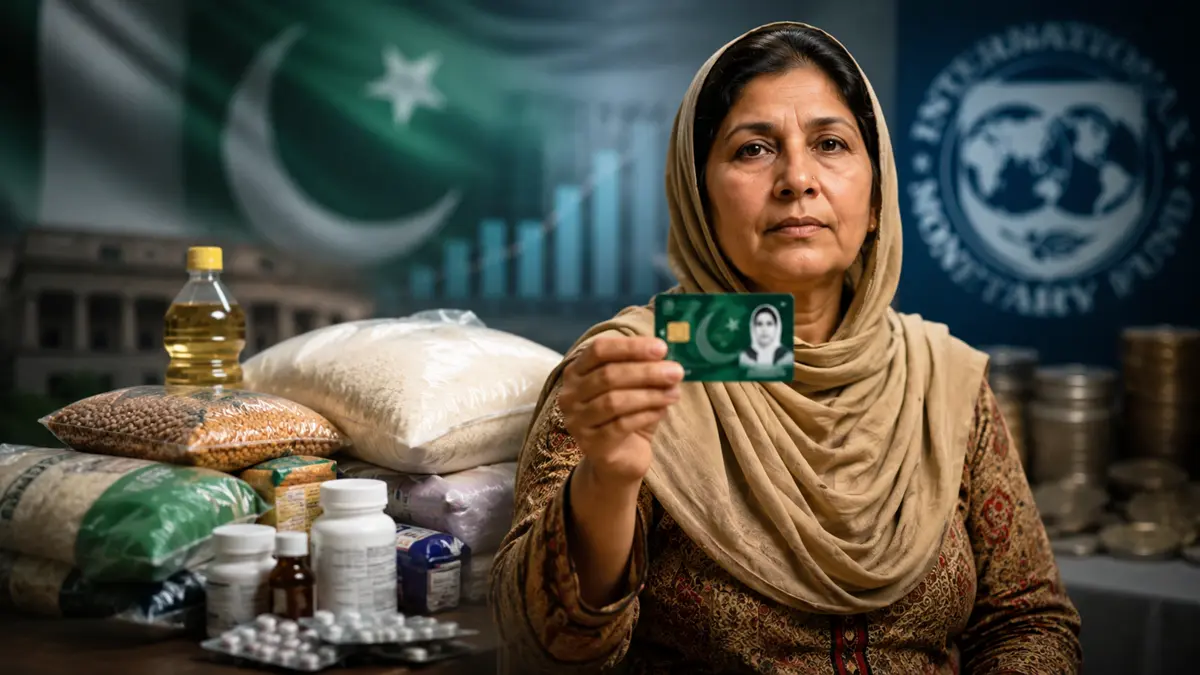
IMF Recommends Rs20,000 BISP Kafalat Increase for Poor Families
Pakistan’s talks with the International Monetary Fund are not only about taxes and debt. Social protection has become a key part of the discussion this time.
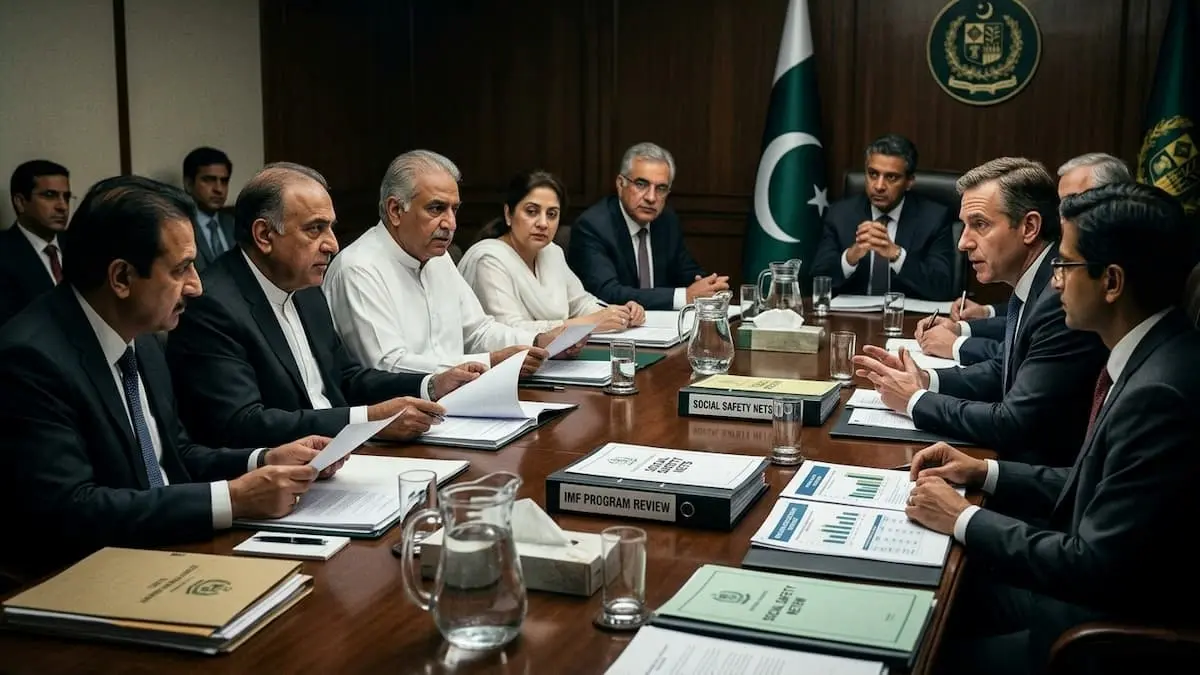
Reports linked to the ongoing negotiations suggest the IMF encouraged Pakistan to raise cash transfers under the Benazir Kafalat Programme by around Rs5,500, bringing total monthly support close to Rs20,000 per family. Pakistan has not officially confirmed this figure yet, but the recommendation shows growing pressure to address the financial struggles of low-income households.
The IMF’s full position on social protection spending within economic reform programmes is explained on the IMF Official Portal.
Why Pakistan May Raise Kafalat Payments Now
Inflation has hit ordinary households hard over the last two years. Food prices, electricity bills, transport costs, and medicine expenses have all gone up sharply. In cities like Rawalpindi, Lahore, and Karachi, the current welfare support no longer covers basic monthly needs for many families.
The pressure combines high inflation, slow wage growth, expensive electricity, and weak job markets. Welfare programmes have therefore become more important for social stability, not less.
The IMF appears to prefer targeted cash transfers over broad subsidies, which often benefit wealthier households too. That is likely why BISP is at the centre of these reform talks. If you are also following Punjab welfare schemes, check out the latest on Rehmat Card registration updates in Punjab for related support options.
How Rs20,000 Support Could Help Families
If implemented properly, the increase could provide immediate relief. Families may be able to buy groceries for a full month, pay electricity and gas bills, purchase medicines regularly, and keep children in school longer without borrowing from local shopkeepers.
Women registered under the Kafalat programme would remain the primary recipients, as payments are linked to female beneficiaries. However, policy experts say cash support alone cannot solve long-term poverty. Many economists now support a combined approach where financial aid is linked with nutrition programmes, child vaccination reminders, school attendance support, and skills referrals.
8171 Verification and Eligibility for BISP Kafalat
Eligibility depends on data from the National Socio Economic Registry and CNIC verification through NADRA. Families check their status through the 8171 system using the official portal.
Current checks include valid CNIC verification, household poverty scoring, income profiling, government employment screening, taxpayer record checks, and duplicate entry detection.
Many applicants still report CNIC mismatch problems, biometric failures, and overcrowded payment centres. Experts expect a fresh nationwide re-verification drive if larger payments are approved. You can also explore the Punjab free 3 Marla plot scheme for additional government support available to low-income families.
Main Challenges Before Any Rollout
Implementation will not be simple. Payment infrastructure may struggle if millions of beneficiaries suddenly receive higher amounts through banks, agents, and mobile wallets at the same time. Expanding the system before rollout is essential.
Past audits raised concerns about unauthorized beneficiaries and duplicate records. Stronger CNIC checks and updated surveys are likely before any nationwide launch. Many low-income households also lack smartphones or internet access, which means middlemen can sometimes exploit them.
A larger welfare budget would also add pressure to Pakistan’s strained finances. Any increase must remain financially sustainable alongside debt repayments and development spending.
Could Bigger Payments Increase Inflation?
This remains a key debate. Targeted welfare support is generally less inflationary than broad untargeted subsidies. However, the financing method matters. If the increase is funded through excessive borrowing or money printing, inflation risks could grow.
Poor households usually spend welfare payments on essentials like flour, cooking oil, medicines, and school costs. This means targeted transfers tend to stabilize vulnerable communities faster than general subsidies. For other Punjab government schemes, read the complete Punjab Rehmat Card online application guide.
What Happens Next
IMF and Pakistan negotiations are continuing. Federal budget discussions will follow, and cabinet approval may come after that. Fresh 8171 verification drives and pilot payment programmes could launch before any full rollout. New payment timelines, if approved, will be announced through official BISP channels.
Beneficiaries should check updates only through the BISP Official Website, the 8171 Verification Portal, or the Ministry of Finance Pakistan. Avoid unverified WhatsApp forwards or fake social media announcements about payment dates.
| Key Detail | Current Status |
|---|---|
| Proposed payment amount | Close to Rs20,000 per family |
| Proposed increase | Around Rs5,500 above current rate |
| Official government approval | Not confirmed yet |
| Primary recipients | Registered female beneficiaries |
| Verification system | 8171 portal and CNIC checks |
| Expected next steps | Budget decisions, IMF talks, re-verification |
Frequently Asked Questions
Has Pakistan officially approved the Rs20,000 Kafalat payment?
No. Reports suggest the IMF recommended the increase, but the government has not officially approved it yet.
Who will qualify for the increased BISP Kafalat payment?
Current BISP Kafalat beneficiaries are expected to remain the primary target. Fresh verification may be required before implementation.
How can families check their eligibility?
Families can verify their status through the official 8171 Web Portal or by visiting a nearby BISP office with a valid CNIC.
Could larger BISP payments increase inflation?
Economists say targeted support is not the main inflation driver. The bigger concern is how the programme is financed. Excessive borrowing to fund it could increase inflation risks.
When could the Rs20,000 increase begin?
There is no confirmed timeline yet. Budget decisions and IMF negotiations will determine the rollout schedule.
What documents are needed for BISP verification?
Applicants generally need an original CNIC, a registered mobile number, household information, and NSER survey details.