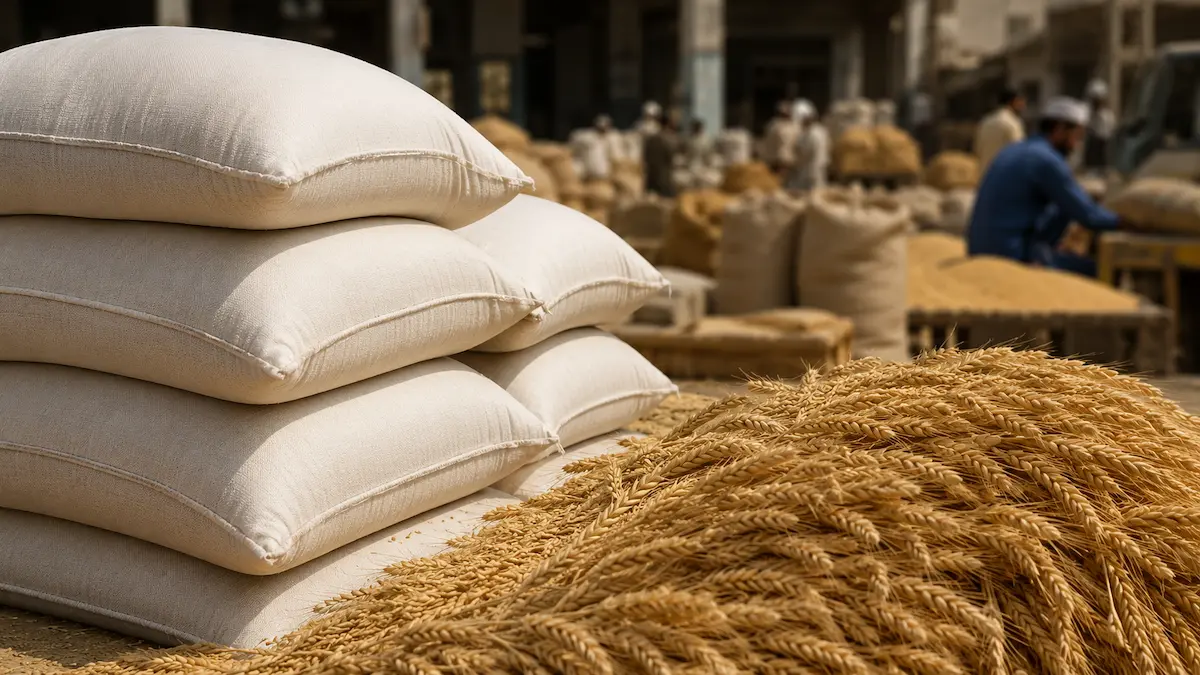
Karachi Announces New Official Flour Prices
The Karachi commissioner has issued a fresh notification fixing flour rates across the city. The move aims to protect buyers from sudden price hikes during a period of rising food costs.
Under the new order, wholesalers and retailers must follow set rates for regular, fine, and chakki flour. Officials say the rates were set after reviewing current wheat supply and milling costs.
Why the New Flour Prices Matter Beyond Karachi
The latest flour price notification in Karachi highlights a growing gap between official price controls and actual market rates. While the commissioner has fixed wholesale and retail prices for each flour category, many consumers continue to pay much more in local markets.
| Flour Type | Wholesale Price | Retail Price |
|---|---|---|
| Regular Flour | Rs122 per kg | Rs125 per kg |
| Fine Flour | Rs132 per kg | Rs135 per kg |
| Chakki Flour | Rs145 per kg | Rs145 per kg |
Market reports indicate prices remain well above these levels in many parts of Karachi. Regular flour is reportedly selling for Rs145 to Rs150 per kg, while fine flour is available between Rs160 and Rs170 per kg. Chakki flour is also being sold at close to Rs160 per kg despite the official notification.
This gap suggests that price notifications alone may not change retail markets unless enforcement and supply conditions improve at the same time. Readers looking for other verified public welfare updates can also check the Jhelum Apni Zameen Apna Ghar scheme offering 600 free plots, which follows a similar pattern of official announcements meeting real-world delays.
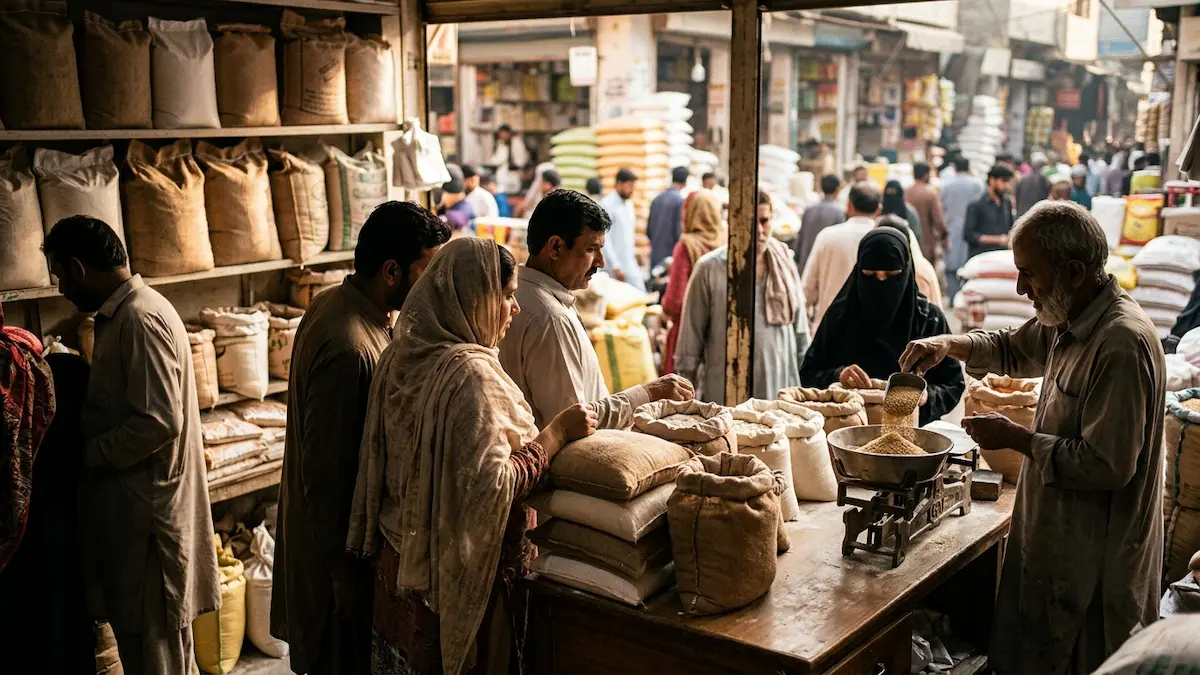
Higher Wheat Production Has Not Yet Reduced Flour Prices
Pakistan recorded a stronger wheat harvest during FY26, with production reaching 29.61 million tonnes. This marks an increase of around 4.3 percent compared with the previous year, according to Pakistan Bureau of Statistics crop data.
Normally, better production helps bring flour prices down. But recent market trends show other factors are pushing retail prices up instead.
Reports noted that flour prices increased by as much as Rs38 per kilogram since March, even though diesel prices fell and the new wheat crop arrived in the market. This points to processing costs, distribution margins, and supply chain issues still driving up what consumers pay.
As a result, many households have not felt the relief that a bigger harvest should normally bring.
Peshawar Shows That Flour Inflation Is a National Issue
Karachi is not the only city facing higher flour prices. In Peshawar, the cost of a 20 kilogram flour bag has crossed Rs2,900 after rising by about Rs250 within just two days, according to local market reports.
Earlier reports this year also showed flour prices climbing steadily across Khyber Pakhtunkhwa. The sharp rise means many households are spending a bigger share of their monthly income on basic food items.
Since flour is one of Pakistan’s most common staples, sustained price increases hit household budgets hard, especially for lower and middle income families. This comparison between Karachi and Peshawar shows the pressure on flour prices is a wider national problem, not just one city’s pricing policy.
What the Difference Between Official and Market Prices Means
Price notifications are meant to give consumers a clear benchmark and help authorities monitor markets. But when market prices stay consistently above official rates, buyers keep paying more regardless of government announcements.
Market analysts generally say effective price control depends on several things working together, including:
Adequate wheat availability, smooth transportation, stable milling costs, effective district level enforcement, and continuous market monitoring.
Without these conditions in place, official notifications may only have a limited, short-term effect on what people actually pay at the shop counter.
For readers in Karachi looking for other verified local updates, the city has also seen initiatives like the free bike riding course for ladies in Karachi, part of a broader push toward public welfare programs across the city.
Frequently Asked Questions
What are the new official flour prices in Karachi?
Regular flour is fixed at Rs122 per kg wholesale and Rs125 per kg retail. Fine flour is set at Rs132 wholesale and Rs135 retail. Chakki flour is fixed at Rs145 per kg for both rates.
Why are market prices higher than the official flour rates?
Market reports show regular flour selling for Rs145 to Rs150 per kg and fine flour between Rs160 and Rs170 per kg, well above the notified rates.
Has Pakistan’s wheat production improved this year?
Yes. Pakistan recorded 29.61 million tonnes of wheat in FY26, up around 4.3 percent from the previous year.
Why have flour prices not dropped despite more wheat?
Prices rose by up to Rs38 per kilogram since March despite lower diesel costs and the new harvest, due to processing and distribution costs.
Is flour inflation only a Karachi problem?
No. Peshawar has also seen a 20 kilogram flour bag cross Rs2,900 after rising by about Rs250 in two days, showing the issue is nationwide.
What could bring flour prices closer to official rates?
Steady wheat supply, smooth transportation, stable milling costs, and consistent enforcement at the district level are needed together.
Bottom Line
Karachi’s latest flour price notification aims to give consumers an official benchmark and strengthen market oversight. But higher retail prices across Karachi and rapid flour inflation in Peshawar show that many households still face real pressure.
The coming weeks will likely show whether stronger enforcement, better wheat availability, and stable supply chains can narrow the gap between official prices and what people actually pay. Until then, flour prices remain an important sign of food inflation and household living costs across Pakistan.