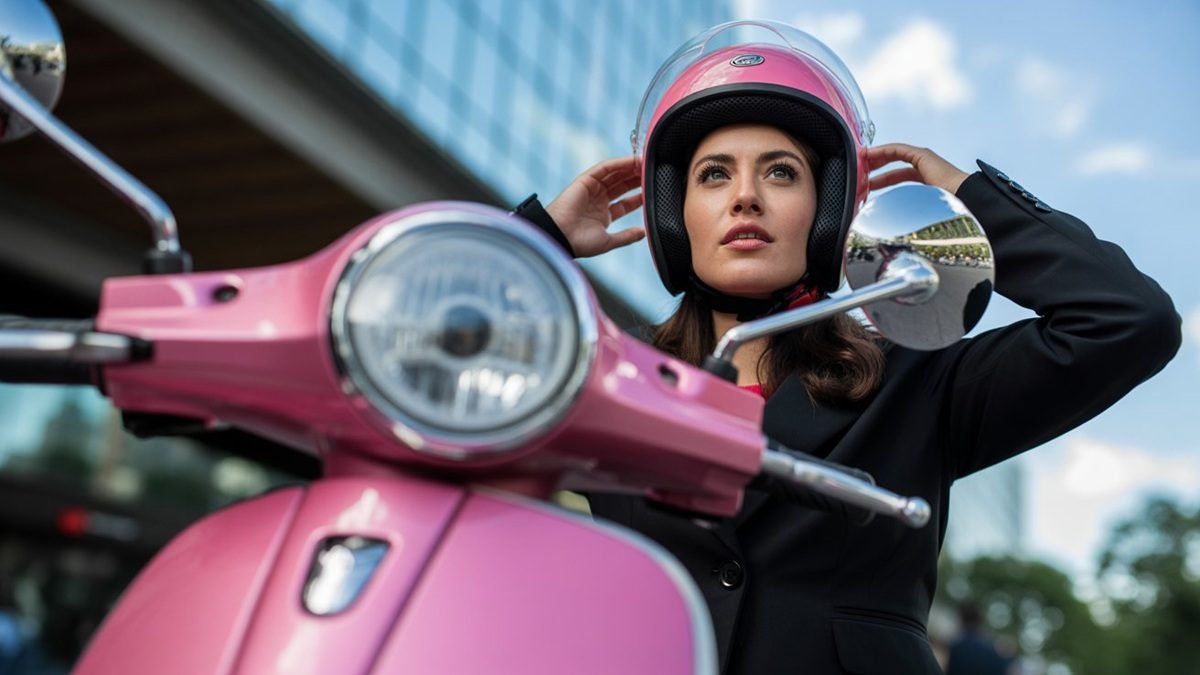
Women in Sindh can now move freely. No rickshaw cost. No waiting. No depending on anyone. The Pink EV Scooty Scheme gives a free electric scooter to eligible women across the province. This article covers everything — how to apply, what to expect, and what still needs fixing.
What Is the Pink EV Scooty Scheme?
The Sindh government launched this scheme to solve one real problem — women cannot move freely in this province. Public transport is crowded. It is often unsafe. And in many areas, it simply does not exist.
So the government made a direct move. Give women their own transport. Free of cost. Electric. Personal.
The scooter comes at zero cost. But there is one condition. You cannot sell it for seven years. This keeps the scheme from being misused. It also ensures the scooter stays with the woman it was meant for.
Selection happens through a computerized ballot. You apply online. If selected, you get the scooter. It is that simple — in theory.
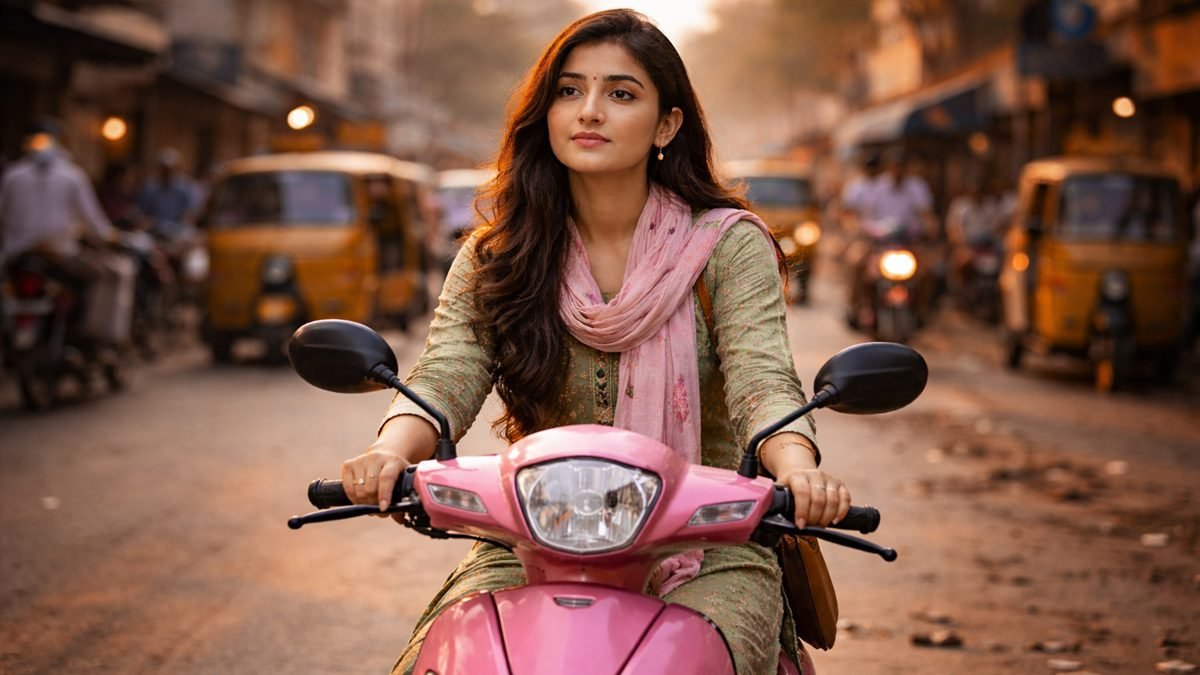
How to Apply: Step by Step
I went through the process myself. Here is exactly what you need to do.
- Go to the official Sindh government portal. Look for the Projects section on the homepage.
- Open the EV Scooty Ballot Form. It may take time to load. Be patient.
- Enter your details. Fill in your full name, CNIC number, contact number, and home address.
- Upload your documents. You need CNIC front and back, domicile and PRC certificate, a valid driving license, and your student or job ID.
- Review and submit. Double-check everything. Accept the terms and conditions. Then submit.
- Wait for the ballot result. Selection is random and computerized. You will be notified if selected.
💡 Tip: For driving license help, visit the Sindh Police Driving License Department. If you do not have a license yet, get one before applying. It is a hard requirement.
If you are a woman in Karachi who needs riding training first, check out this guide on the free bike riding course for ladies in Karachi — it is a great first step.
Ground Reality: Portal Problems and Access Gaps
Here is where I need to be honest with you. The idea is strong. The execution has real problems.
⚠️ Common Problems Applicants Are Facing
- The website does not load or crashes mid-application
- QR code scanning errors during the process
- Form submission failures with no error message
- Rural applicants depend on cyber cafes just to access the portal
In rural Sindh, internet access is limited. Many women rely on cyber cafes or college computer labs. Some need family members to help. That creates a digital gap. If the government does not fix this, large sections of the target group will be excluded before they even start.
This is not just a tech glitch. It is a policy gap that needs urgent attention.
Why This Matters More Than People Realize
Women in Pakistan face serious mobility barriers. These barriers affect jobs, education, and safety — every single day.
Research from the World Bank shows that limited transport directly reduces women’s workforce participation across South Asia. Pakistan is no exception.
Local Reality in Sindh
- Public transport is overcrowded and often not safe
- Women depend on male family members for most travel
- Job and education opportunities close early — before transport does
In my experience, when a woman gains control over her travel, her entire daily routine changes. She can leave on time. She can stay late at work without worry. She can go where she needs to go — without asking permission or waiting for someone.
That is not just transport. That is a social shift.
For context on other digital access initiatives in Sindh, see how the Sindh CRMS mobile app is changing how citizens access government services. Similar digital infrastructure improvements are needed here too.
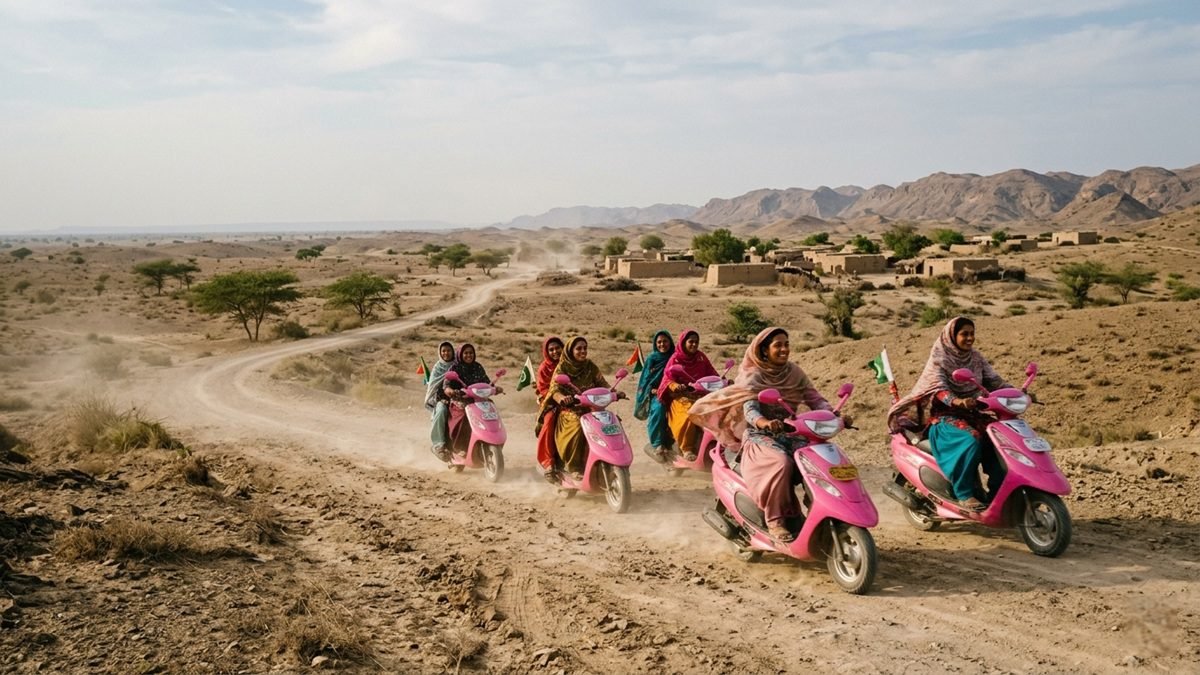
How This Differs From Old Transport Schemes
Pakistan has invested in buses and metro systems before. Those helped. But they had limits. This scheme is different.
| Feature | Old Systems | Pink Scooty Scheme |
|---|---|---|
| Ownership | No | Yes |
| Target Group | General public | Women only |
| Flexibility | Limited | High |
| Energy | Petrol | Electric |
Personal ownership is the key difference. Urban mobility projects supported by the Asian Development Bank consistently show one thing: when people own their vehicle, long-term usage goes up. I have seen this pattern myself. Women use personal vehicles more regularly. Confidence grows with consistent use.
Safety Impact: Real Gains, Real Limits
Safety is one of the biggest goals here. And it does improve — but not completely.
✅ Positive Changes
- Less dependence on crowded and unpredictable transport
- More control over routes, timing, and stops
- Reduced exposure to harassment in public spaces
- Women choose their own schedule — that is a major comfort gain
⚠️ Risks That Remain
- Poor road conditions in many parts of Sindh
- Weak traffic discipline, especially outside cities
- Limited reach of the safety training program
Safety improves. But it is not complete. The scheme needs stronger road infrastructure and a wider training program to make the gains last.
Key Challenges and Risks
- Driving license requirement — many applicants do not have one yet
- Weak online system — portal failures block applications
- Lack of EV repair centers — especially outside Karachi and Hyderabad
- Electricity outages — charging depends on power availability. According to NEPRA, outages still affect many areas of the province
Without strong maintenance and charging support, long-term usage will drop. The scooter becomes useful only when the infrastructure around it works too.
Land and resource distribution challenges in Sindh are not new. The Sindh Katcha land survey is another example of where policy intent runs ahead of ground-level execution. Similar patience and follow-through is needed here.
What Happens Next?
Expected Developments
- More distribution events across districts
- Improved training programs with wider reach
- Better portal and online application system
- Possible expansion to other cities and provinces
If daily usage rates stay positive and maintenance support holds, other provinces may follow. That would be a big deal for women’s mobility across Pakistan.
Quick Facts Summary
| Feature | Details |
|---|---|
| Scheme Name | Pink EV Scooty Scheme |
| Location | Sindh |
| Cost | Free |
| Target Group | Women |
| Resale Condition | No resale for 7 years |
| Energy | Electric |
| How to Apply | Online |
| Selection Method | Computerized Ballot |
Frequently Asked Questions
Final Thoughts