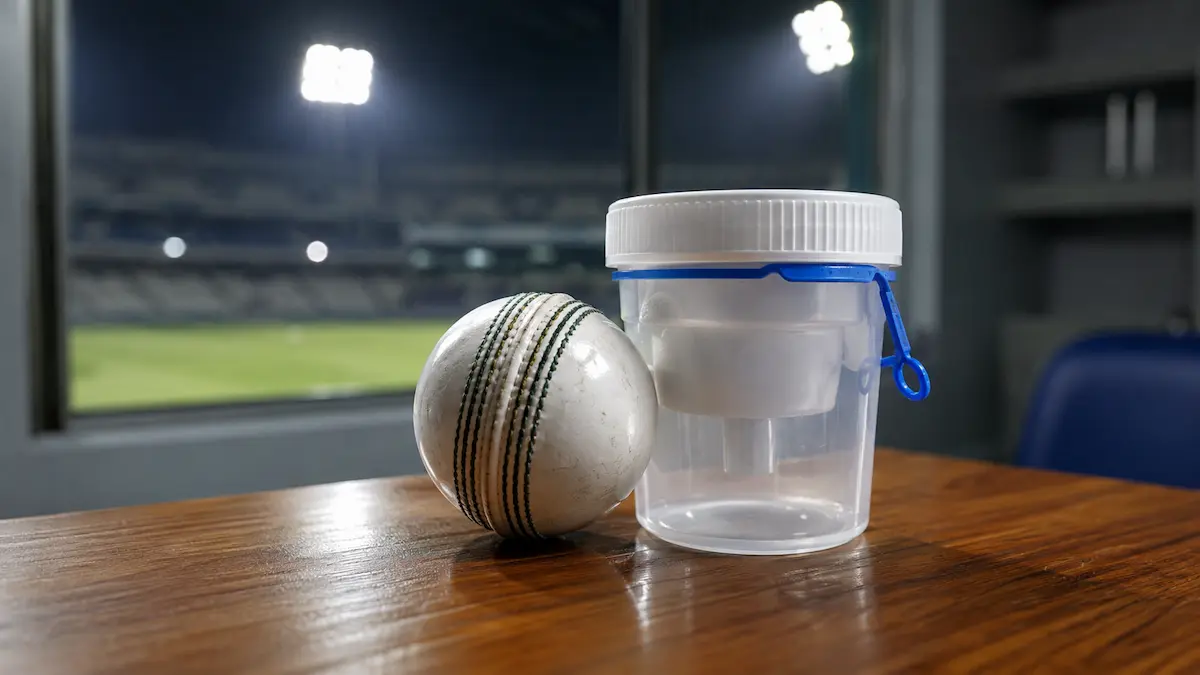
Mohammad Nawaz ICC Ban: What Actually Happened
The International Cricket Council has suspended Mohammad Nawaz after he tested positive for Carboxy THC. This is a cannabis related substance. The ICC classifies it as a Substance of Abuse, not a performance enhancing drug.
The sample was collected after Pakistan played the Netherlands during the ICC Men’s T20 World Cup 2026 on February 7. The suspension itself is backdated to May 1, 2026, the date Nawaz accepted a voluntary provisional suspension.
Why the Suspension Could Shrink to Just One Month
This is the part many readers miss. The ICC Anti Doping Code allows a reduced sanction for Substances of Abuse when a player proves the substance was used outside competition and was not linked to performance. Nawaz met that condition.
As a result, his three month suspension can drop to one month if he completes an approved Substance of Abuse treatment programme. This rehabilitation option is written into the Code and applies across all ICC member nations, including Pakistan.
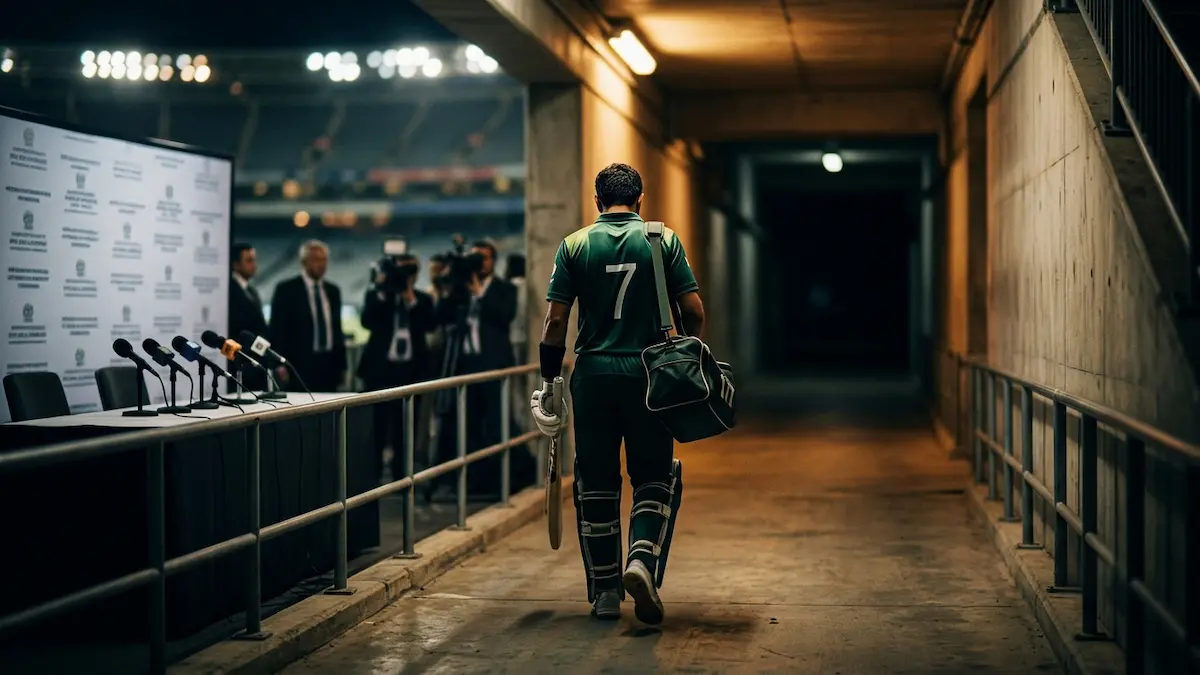
Substance of Abuse vs Performance Enhancing Drug
Cricket fans often assume every doping case involves cheating for a competitive edge. This case is different. Carboxy THC falls under a separate category in the ICC Anti Doping Code.
| Substance of Abuse | Performance Enhancing Substance |
|---|---|
| Often used outside sporting competition | Used to boost strength, speed or recovery |
| May qualify for a reduced ban | Usually carries a longer, fixed sanction |
| Treatment programme can shorten the ban | Rehabilitation does not reduce the penalty |
This distinction explains why Nawaz’s case moved through the Code differently than a typical steroid or stimulant violation would.
Nawaz’s Individual Records Have Been Disqualified
The ICC also confirmed that Nawaz’s individual results from February 7 to May 1, 2026 no longer count on his official record. This follows standard practice under the Anti Doping Code.
Pakistan’s team results from that period were not overturned. Only Nawaz’s personal statistics during that window were removed.
What This Means for Pakistan’s T20 Squad
Nawaz has given Pakistan balance for years through his left arm spin, lower order hitting, and sharp fielding. His absence, even for a short period, leaves a gap team management must fill.
Selectors may lean on other spin options or batting all rounders from domestic cricket while Nawaz completes his suspension. These decisions rest with the Pakistan Cricket Board, which has already been busy managing squad rotation across formats, including during the England and West Indies Test tour.
The timing also matters with Pakistan preparing for major white ball assignments, including build up toward the Asia Cup 2027 campaign.
Why This Case Matters Beyond One Player
The ICC explained every part of its reasoning in public, including the substance, the category, and the rehabilitation clause. This kind of transparency is part of how the World Anti Doping Agency framework is meant to work across international sport.
For Pakistan cricket, the case is a reminder that anti doping rules apply to every player, regardless of reputation or experience. It also points to the ongoing importance of player education programmes, something the PCB has emphasised while also investing in infrastructure such as the 12 new cricket grounds recently approved across the country.
Key Facts at a Glance
| Detail | Information |
|---|---|
| Player | Mohammad Nawaz |
| Substance detected | Carboxy THC |
| Classification | Substance of Abuse |
| Suspension length | Three months, reducible to one month |
| Suspension start date | May 1, 2026 |
| Records affected | February 7 to May 1, 2026 |
What Happens Next
Nawaz becomes eligible to return once the conditions of the ICC Anti Doping Code are met. If he finishes the approved treatment programme, his ban could end far sooner than the original three month period.
His selection for Pakistan afterward will depend on the national selectors and current squad needs at the time.
Frequently Asked Questions
Why was Mohammad Nawaz suspended?
He tested positive for Carboxy THC, a substance listed as a Substance of Abuse under the ICC Anti Doping Code.
Is Carboxy THC a performance enhancing drug?
No. The ICC treats it as a Substance of Abuse, separate from performance enhancing substances.
How long is the ban?
Three months, backdated to May 1, 2026. It can be reduced to one month after an approved treatment programme.
Were his cricket records changed?
Yes. His individual results from February 7 to May 1, 2026 were disqualified. Pakistan’s team results were not affected.
When can he play again?
Once he meets the requirements set by the ICC Anti Doping Code, including the treatment programme if he wants the shorter ban.
Did this affect Pakistan’s World Cup results?
No. Only Nawaz’s personal statistics for the affected period were removed from his record.