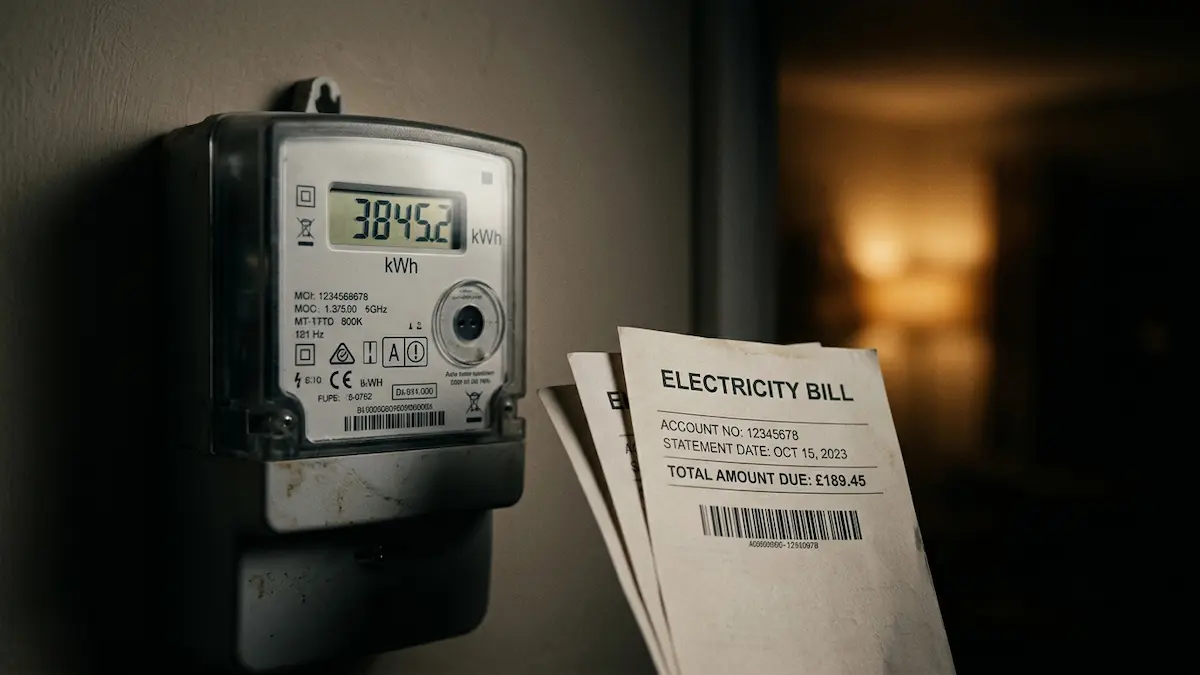
NEPRA Tariff Cut Explains Lower Electricity Bills in Pakistan
Pakistan’s electricity crisis has been a constant drain on household budgets. The new NEPRA tariff decisions have introduced three main relief measures: a direct reduction in base tariffs, adjusted fuel cost charges, and simplified billing structures. These changes are now appearing on consumer bills across the country.
For most households, the math is straightforward. You multiply your consumption by the lower per-unit rate, and the savings appear in the monthly charge. However, the full picture is more complex because of taxes, fixed charges, and seasonal demand swings that continue to pressure bills.
What Actually Changed in the New Tariff
The base tariff fell by approximately Rs1.49 per unit for distribution companies across Pakistan. This is the largest single impact on bills. At the same time, fuel cost adjustments—which are revised monthly—have also decreased temporarily. The combination of both factors creates immediate relief.
Additionally, changes to billing structures removed some non-energy costs from the standard tariff calculation. This means fewer surprise charges appearing between the base rate and final amount.
How Much Lower Are Your Electricity Bills Now
Actual savings depend on your consumption level and which slab you occupy. Most households see reductions ranging from Rs150 to Rs600 monthly. However, families crossing higher consumption slabs may see smaller savings because higher-tier rates offset the tariff cut.
| Monthly Usage | Previous Bill | Estimated New Bill | Estimated Savings |
|---|---|---|---|
| 50 Units | Around Rs1,775 | Around Rs1,625 | Rs150 |
| 150 Units | Around Rs5,325 | Around Rs4,850 | Rs450–Rs500 |
| 200 Units | Around Rs7,100 | Around Rs6,470 | Rs600 plus |
These figures are estimates. Your actual bill depends on your region, the electricity distribution company serving your area, taxes, meter charges, and seasonal adjustments.
Why Electricity Bills Still Feel Expensive
The tariff cut provides real relief, but Pakistan’s electricity structure carries costs that no single tariff reduction can eliminate. Understanding these structural issues helps explain why even lower rates don’t feel like a complete solution.
Capacity Payments Continue to Drive Costs
A massive portion of Pakistan’s electricity bill comes from fixed capacity payments. These are obligations to power plants—both public and private—to keep them available and operational. Even when demand is low, these payments continue. They’re built into every unit you consume.
Recent discussions around Pakistan’s 200-unit electricity subsidy and IMF reform plans highlight how capacity costs shape future pricing. These structural payments won’t disappear when tariffs drop.
Summer Usage Pushes Most Households Higher
Pakistan’s electricity tariff uses slab rates. As consumption increases, the per-unit cost increases. During summer months, air conditioning adds thousands of extra units to household consumption. This pushes families into higher slabs where rates are significantly steeper.
A family using 100 units in winter might pay Rs2.80 per unit. That same family using 200 units in summer pays Rs4.50 per unit or higher. The tariff cut helps, but the slab effect reduces visible savings during peak months.
Currency and Fuel Costs Still Matter
Imported fuel for power generation and the Pakistani rupee’s exchange rate directly affect tariffs. When fuel prices or currency exchange move unfavorably, tariff adjustments follow. The current lower fuel cost adjustment is temporary and subject to monthly revision.
Understanding IPP Costs and Long-Term Electricity Pricing
Independent Power Producers (IPPs) have long-term contracts with Pakistan’s power system. These contracts guarantee payments regardless of whether their power is used. This obligation appears in your electricity bill as a cost item.
The issue: Pakistan built generation capacity far exceeding current demand. Payment obligations to these plants continue even during low-demand periods. This structural burden limits how low tariffs can go and why fixed charges on electricity bills remain high despite the tariff reduction.
Currency-linked contracts mean these costs increase when the rupee weakens. This explains why inflation and exchange rate movements affect electricity bills more than many consumers realize.
Checking Your Bill and Understanding Your Savings
Step 1: Find Total Monthly Units
Your bill shows total consumption for the billing period. This number is the basis for calculating your personal savings.
Step 2: Calculate Base Tariff Savings
Multiply your monthly units by Rs1.49. This shows the direct tariff reduction before other charges are added.
Example: 150 units × Rs1.49 = Around Rs223 in base savings before taxes and adjustments.
Step 3: Check All Extra Charges
Review your bill for fuel cost adjustments, electricity duty, fixed charges, meter maintenance fees, and regional surcharges. These items either increase or decrease your total, independent of the base tariff cut.
Step 4: Compare Month to Month
The best way to verify savings is comparing your current bill with the same month last year. This accounts for seasonal variations and shows the real impact of the tariff change.
What Could Change in 2027 and Beyond
Pakistan’s government is discussing subsidy reforms that will reshape how electricity costs are distributed among consumers. Instead of universal price reductions, future assistance may depend on income verification through the National Socio Economic Registry (NSER) and Benazir Income Support Programme (BISP) databases.
Power sector restructuring is also possible. Renegotiating IPP contracts, retiring excess generation capacity, and improving plant efficiency could eventually reduce structural costs. However, these changes take years to implement.
Consumers who currently benefit from subsidies should monitor official Power Division Pakistan updates because the basis for future support programs may change significantly.
Frequently Asked Questions
Why did electricity bills fall this month after the new NEPRA tariff?
Lower approved base tariffs for distribution companies created the main impact. Reduced fuel cost adjustments and simplified billing structures added additional relief. The combination of all three factors appears on current bills.
Are all charges on my bill removed with the new tariff?
No. Electricity duty, fixed charges, meter maintenance, and fuel cost adjustments remain. Some items have been reduced, but none have been eliminated entirely. This is why bills feel lower but not dramatically different.
How do slabs affect my savings from the tariff cut?
Slabs work against tariff cuts for high-consumption households. If your usage increases and pushes you into a higher slab, the higher slab rate partially offsets the tariff reduction benefit.
Will fuel cost adjustments continue to change?
Yes. Fuel cost adjustments are revised monthly based on actual generation costs and global fuel prices. Future adjustments could increase or decrease your bill independently of the base tariff.
Why is Karachi different from other cities?
Karachi’s distribution company operates under a separate regulatory framework with different adjustment mechanisms. While the base tariff reduction applies, additional charges and calculation methods differ from other regions.
What should I do to prepare for possible 2027 changes?
Track your consumption patterns. Reducing usage below slab thresholds creates larger savings than tariff cuts alone. Also monitor official announcements from NEPRA and the Power Division because subsidy reforms may affect your bill structure.