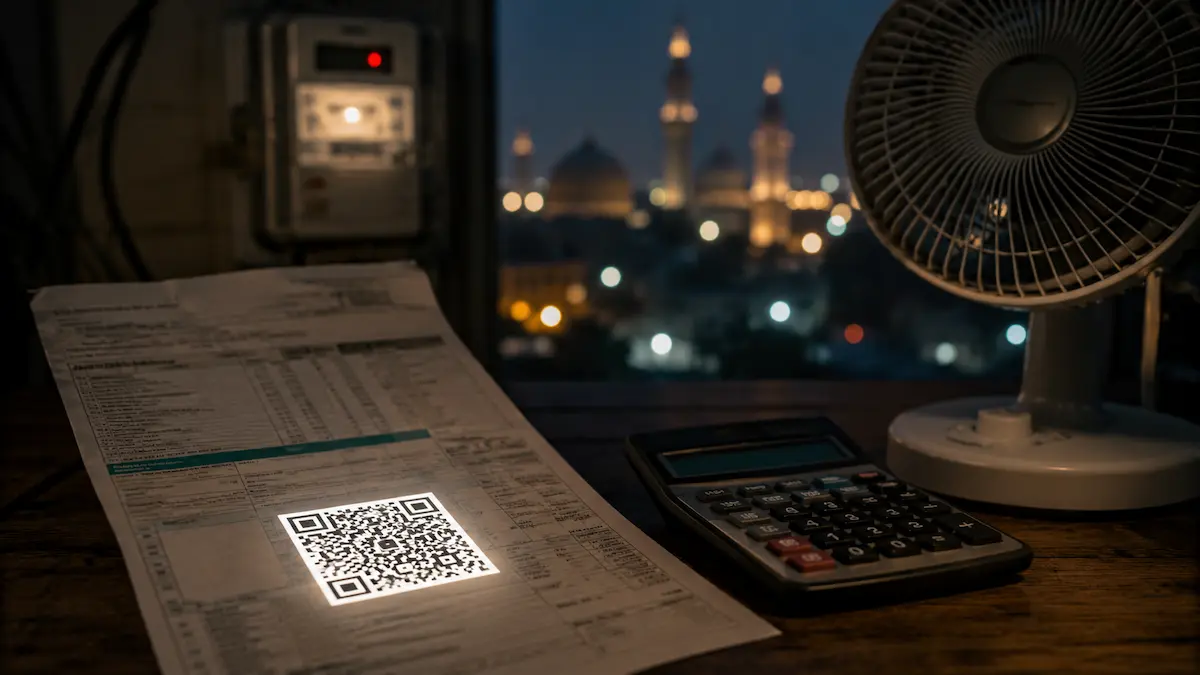
Pakistan Confirms 200 Unit Electricity Subsidy Is Not Being Removed
Pakistan’s Ministry of Energy has officially rejected reports claiming the government planned to end the subsidy for households consuming up to 200 units per month. Officials stated clearly that no formal proposal exists to cancel this benefit for protected consumers.
The clarification came after social media discussions created fear among consumers in Rawalpindi, Lahore, Karachi, Faisalabad, and other cities. Many families had already started worrying about higher bills during summer when electricity usage naturally rises.
What the QR Code on Your Electricity Bill Actually Means
Many consumers noticed QR codes printed on recent bills from their distribution companies and assumed a crackdown was coming. The Ministry of Energy says that assumption is wrong.
According to officials, QR codes are being used for bill verification, subsidy transparency, consumer authentication, digital complaint handling, and easier access to billing records. The QR code is a digital verification tool, nothing more. No official notification links it to automatic subsidy removal.
Consumers can scan the code to confirm their billing category, CNIC details, and meter information directly. The National Electric Power Regulatory Authority continues to regulate tariff structures and publishes official notifications on its portal.
Why the 200 Unit Subsidy Matters So Much
The protected consumer category is important because crossing the 200-unit threshold can increase a monthly bill by several thousand rupees. Families carefully manage fans, coolers, irons, and washing machines just to stay within the limit.
| Monthly Usage | Category | Impact |
|---|---|---|
| Up to 200 units | Protected consumer | Lower subsidized tariff |
| Above 200 units | Unprotected consumer | Higher slab charges apply |
For lower middle income households, the subsidy directly affects grocery spending, children’s study hours, summer cooling, and even medicine budgets. That is why even unconfirmed rumours spread so quickly.
Why Consumers Were Right to Be Cautious
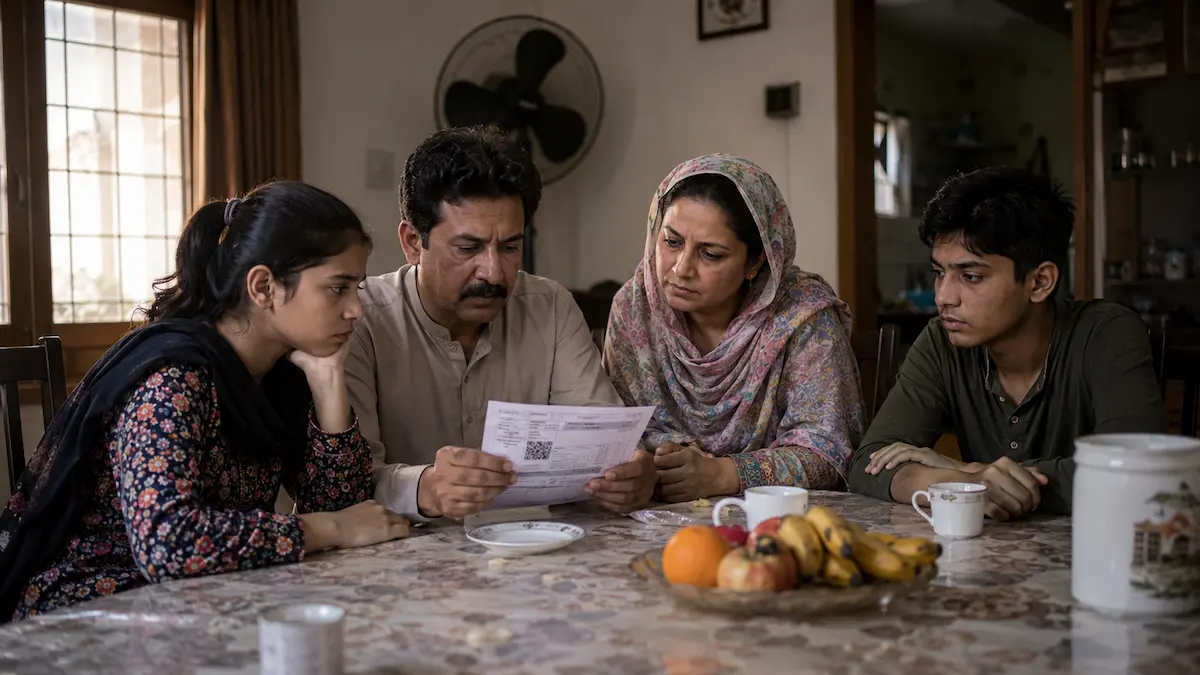
The public reaction did not come from nowhere. Over recent years, consumers have already faced fuel adjustment charges, higher base tariffs, fixed monthly charges, and billing disputes. Because of this history, people assumed QR codes could be part of a wider verification drive.
Concerns were especially strong among extended families sharing a property with separate meters, rooftop solar users, and households with possible registration mismatches. The ministry’s clarification was needed to restore public confidence.
IMF Reforms and the Future of Electricity Subsidies
Pakistan’s electricity subsidy debate is tied to broader IMF-backed energy reforms. Islamabad has faced pressure to reduce circular debt and improve power sector recovery. As a result, there is ongoing discussion about moving from blanket subsidies to targeted support.
This is where the Benazir Income Support Programme and proposed increases to BISP Kafalat become relevant. Future subsidy systems may rely on the National Socio-Economic Registry to identify eligible households using a Proxy Means Test score rather than a simple unit-consumption threshold.
For more background on how the IMF has influenced electricity pricing discussions, see our earlier coverage on the 200 unit subsidy and IMF reform plans.
Experts believe any future reform will happen gradually through targeted eligibility systems rather than sudden nationwide cuts, given the political sensitivity of electricity pricing.
What Consumers Should Do Right Now
No official notification has removed the 200 unit subsidy. Still, consumers can take practical steps now to avoid problems later.
Scan the QR code on your bill and verify your CNIC and meter details. Keep copies of recent bills. Confirm your billing category directly with your local DISCO office if anything looks wrong. Most importantly, follow official ministry announcements rather than relying on forwarded WhatsApp messages or unofficial screenshots.
Frequently Asked Questions
Is Pakistan ending the 200 unit electricity subsidy?
No. The Ministry of Energy has confirmed that no proposal has been approved to remove the subsidy for protected consumers using up to 200 units per month.
Why are QR codes appearing on electricity bills?
The Ministry of Energy says QR codes are for verification, transparency, and consumer authentication. They are not connected to any subsidy cancellation or removal.
Will solar users lose electricity benefits?
No nationwide policy targeting rooftop solar users has been officially announced. Distribution companies may review certain registrations, but no blanket removal has been confirmed.
Can multiple meters cause subsidy verification problems?
Distribution companies may review suspicious or duplicate meter registrations, but no nationwide de-registration campaign has been announced at this time.
Is the IMF asking Pakistan to remove all electricity subsidies?
Current IMF-linked reforms focus on shifting toward targeted subsidies through systems like BISP and NSER rather than removing support for vulnerable households entirely.
Where can consumers verify official updates?
Consumers should check the Power Division Pakistan portal, NEPRA Pakistan, and the BISP official portal directly. Avoid relying on social media for policy updates.