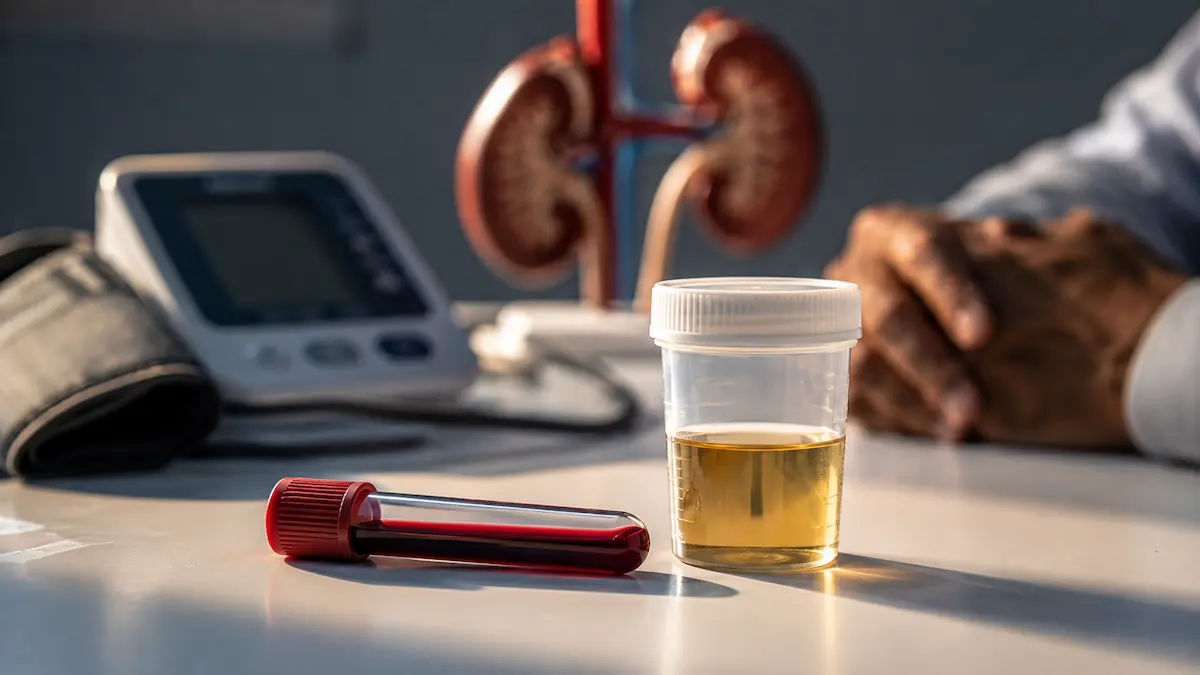
Pakistan Kidney Disease Crisis: What the New Warning Means
At a recent Pakistan Society of Nephrology seminar, doctors gave a serious warning. Nearly 30 million people across the country may have some form of kidney disease.
More than 30,000 deaths each year are already linked to kidney related illness. Yet many people carrying this disease feel completely fine.
That is the real danger. Kidney disease can grow for years without any clear signs. By the time symptoms show up, the damage is often advanced.
Why This Disease Stays Hidden for So Long
A person can feel healthy while their kidneys are slowly losing function. Doctors call this the silent nature of chronic kidney disease, or CKD.
According to the World Health Organization, kidney disease usually has no symptoms until it reaches later stages. Simple blood and urine tests can catch it early, especially in people with diabetes or high blood pressure.
Once the disease is advanced, signs can include swelling, tiredness, breathlessness, nausea, itching, and muscle cramps. Waiting for these signs almost always means the damage has already started.
What Is Driving Kidney Disease in Pakistan
Prof. Dr. Ali Saqlain Haider, Vice President of the Pakistan Society of Nephrology, named diabetes and high blood pressure as the top causes of kidney damage in the country.
Kidney stones, inherited kidney disorders, and long term or unsupervised use of certain medicines were also flagged as major risks.
| Hidden Risk | How It Affects Kidney Health |
|---|---|
| Uncontrolled diabetes | High blood sugar damages kidney filtering units |
| High blood pressure | Constant pressure harms kidney blood vessels |
| Frequent painkiller use | Some medicines injure kidneys with long term use |
| Dehydration or severe illness | Can trigger or worsen sudden kidney injury |
| Delayed testing | Lets kidney damage grow unnoticed |
Diabetes and High Blood Pressure: The Kidney Connection
Pakistan’s kidney health crisis cannot be separated from its diabetes and hypertension burden. In November 2025, the World Health Organization and Pakistan’s health authorities reported that diabetes affects an estimated 34.5 million people in the country, close to one in three adults.
Pakistan’s second National Diabetes Survey found an age adjusted hypertension rate of 46.2 percent among those surveyed. A large share of these cases had never been diagnosed before.
High blood pressure rarely causes symptoms. Checking it regularly is the only real way to know if a person has it, and untreated hypertension can damage kidneys, the heart, and raise stroke risk.
The Self Medication Problem
Medicine misuse is also part of Pakistan’s kidney health picture. Prof. Haider warned that unnecessary or prolonged medicine use without medical supervision can damage kidneys over time.
This does not mean every painkiller causes kidney failure. Risk depends on the drug, the dose, how long it is used, and a person’s existing health condition.
A few simple habits can lower this risk. Avoid making frequent pain medicine use a routine without medical review. Tell a doctor or pharmacist about diabetes, high blood pressure, or kidney issues before starting any medicine. Never assume herbal or non prescription products are automatically safe for the kidneys.
Why Dialysis Alone Will Not Solve This Crisis
Dialysis keeps people alive once kidney failure has set in, but building a health strategy around dialysis alone misses the bigger problem.
A 2025 World Health Organization review cited an estimate that around 25,000 Pakistanis develop kidney failure every year, and it pointed to major gaps in access to dialysis and transplant care.
Dialysis also creates a heavy burden for families. Repeated hospital visits mean lost income, travel costs, and constant caregiving. A stronger health system would measure success by how many high risk patients are caught early, not only by how many dialysis machines are running.
What Early Kidney Testing Involves
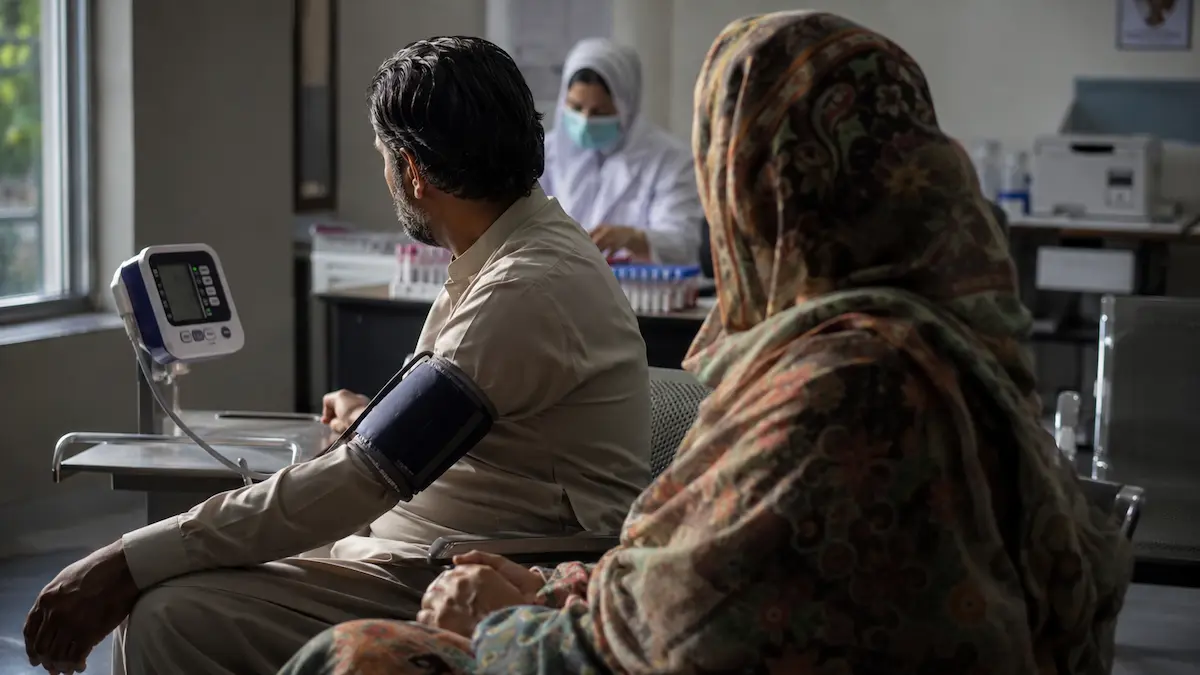
Pakistan already has the tools needed for earlier detection through existing health services. A basic kidney check usually includes blood pressure measurement, blood sugar testing, serum creatinine, estimated glomerular filtration rate or eGFR, and urine albumin testing.
A single unusual result does not always confirm chronic kidney disease. Doctors look for abnormalities that stay present over time, which is why follow up testing matters.
Early screening matters most for people with diabetes, high blood pressure, heart disease, a family history of kidney disease, recurring kidney stones, frequent pain medicine use, or a past serious kidney injury.
What Families in Pakistan Can Do Now
The most useful step is not waiting for severe symptoms if you already belong to a higher risk group. A basic checkup can start with just blood pressure and blood sugar.
At a routine visit, it helps to ask a few direct questions. Has kidney function been checked recently? Is blood pressure under control? Is diabetes treatment being reviewed properly? Are any regularly used medicines unsafe for the kidneys?
This kind of preventive thinking is becoming more common across Pakistan’s health sector. Ongoing efforts such as the health ministry’s hepatitis C screening programme show how early testing drives can catch diseases before they become national burdens.
Common Mistakes That Delay Detection
Several habits make this silent disease even harder to catch. Waiting for pain is one of the biggest mistakes, since kidney disease often causes no early pain at all.
Checking only blood sugar is another gap. A person with diabetes may track glucose regularly but never get a urine albumin or kidney function test.
Ignoring blood pressure readings, repeating medicines without medical review, and assuming every kidney problem needs dialysis are other common errors that delay proper care.
How Pakistan’s Kidney Burden Has Changed Over Time
This warning comes as Pakistan continues to face a growing burden of noncommunicable diseases. The World Health Organization says these diseases already account for a major share of deaths in the country.
| Period | Development |
|---|---|
| 2016 to 2017 | National Diabetes Survey reports 46.2% age adjusted hypertension prevalence |
| 2021 | Pakistan widely reported to have roughly 33 million adults with diabetes |
| 2025 | WHO and Pakistan report diabetes affecting an estimated 34.5 million people |
| 2025 | World Health Assembly adopts resolution on kidney health and early detection |
| August 2026 | Pakistani nephrologists warn nearly 30 million may have kidney disease |
The 2026 warning also reflects a global shift in thinking. In 2025, the World Health Assembly adopted a resolution calling for stronger kidney health promotion and earlier detection, especially for people with diabetes and hypertension.
What Happens Next for Pakistan’s Health System
This warning raises clear questions for policymakers. Stronger nationwide data is needed to confirm the true scale and regional spread of kidney disease.
Kidney screening also needs to be linked more closely with existing diabetes and hypertension care, since routine case finding through eGFR and albumin testing already exists in many clinics.
Public awareness has to shift too. As Pakistan continues to build its healthcare workforce through 2026 reforms, kidney screening could become part of standard primary care rather than a specialist only service. Growing pathways like the expanding opportunities for Pakistani nurses abroad also highlight the pressure on local healthcare staffing that any new screening programme would need to work around.
The Key Public Health Lesson
The strongest response to Pakistan’s kidney disease crisis may begin long before a patient ever reaches a dialysis unit.
A blood pressure reading can catch hypertension early. A diabetes review can flag a major kidney risk. A creatinine and eGFR test can measure how well the kidneys are filtering. A urine albumin test can catch early kidney damage.
None of these tests replace a proper medical diagnosis. But together, they can move kidney disease from a late stage hospital emergency to an early primary care concern, which matters greatly for a country already carrying a heavy diabetes and hypertension load.
Frequently Asked Questions
How common is kidney disease in Pakistan?
Nephrologists at a recent Pakistan Society of Nephrology seminar estimated that nearly 30 million people in Pakistan may be living with kidney disease. The figure is a medical estimate, not a new nationwide survey.
What are the main causes of kidney disease in Pakistan?
Diabetes and high blood pressure are the leading causes. Kidney stones, genetic conditions, other kidney diseases, and unsafe or prolonged medicine use also play a role.
Can kidney disease develop without symptoms?
Yes. The World Health Organization says kidney disease often shows no symptoms until later stages, which is why testing matters for high risk groups.
Which tests check kidney function?
Common tests include serum creatinine with eGFR and urine testing for albumin, along with regular blood pressure and blood sugar checks.
Should people with diabetes get kidney tests?
People with diabetes face a higher kidney risk. Health experts recommend routine kidney screening in primary care for people with diabetes and other high risk conditions, with timing decided by a qualified clinician.
Do painkillers always cause kidney damage?
No. Risk depends on the medicine, the dose, how long it is used, and a person’s existing health conditions. Nephrologists still advise against unnecessary or prolonged medicine use without medical supervision.