Pakistan Wedding Trend 2026: Why Brides Are Replacing Gold with Artificial Jewellery
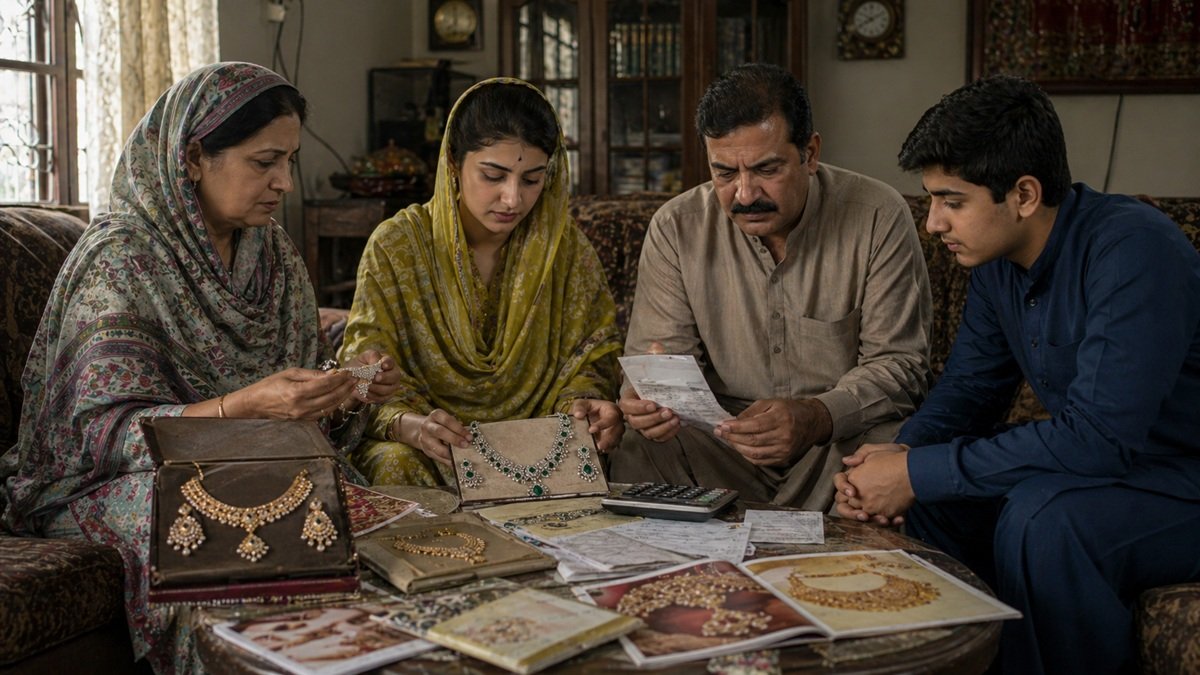
I still remember the last wedding I attended in Rawalpindi. The bride’s family had spent weeks planning jewellery. But when I asked about the gold, her mother quietly said, “We checked the price. We bought artificial instead.” That single moment told me something big had shifted in Pakistan.
In April 2026, 24-karat gold touched nearly Rs501,562 per tola. That is not just a market update. It is a number that is quietly rewriting how Pakistani families plan weddings. This piece explains what changed, why it happened, and where things are headed.
Why Pakistani Weddings Are Changing
For years, bridal gold was non-negotiable in Pakistani weddings. It represented tradition, family honour, and long-term security. Families saved for years to build a bride’s jewellery collection.
That tradition is now shifting fast. A simple bridal gold set today can cost more than a mid-range car. In some families, it rivals the down payment for a small home. Because of this, many families are buying less gold or skipping it entirely.
According to the State Bank of Pakistan’s Inflation Monitor, rising household costs have stretched family budgets significantly. Gold has moved from a wedding necessity to a luxury purchase for most middle-income families.
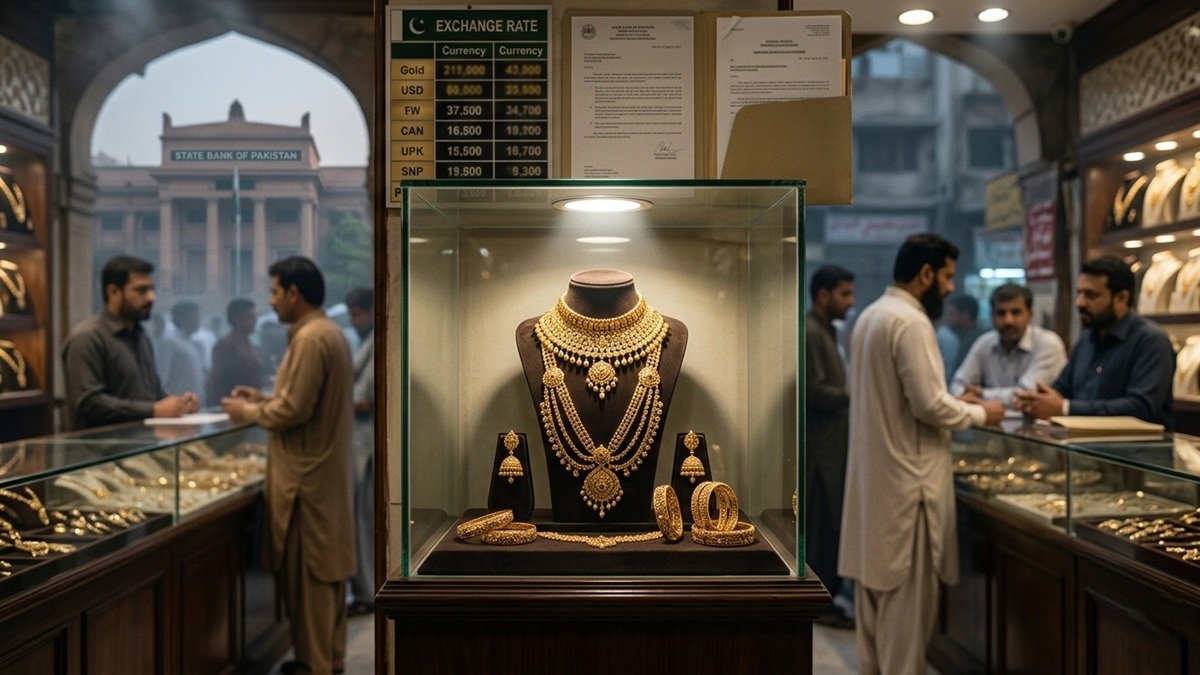
Traditional bridal gold sets are becoming less common at Pakistani weddings in 2026.
This change is happening alongside other big shifts in Pakistan. For example, Punjab’s new property regulations effective July 2026 are also changing how families plan major financial decisions, including weddings.
Why Families Are Reducing Bridal Gold
Wedding budgets are now pulled in many directions at once. In my experience talking to families in Rawalpindi and Lahore, gold is often the first item cut when budgets tighten.
Today’s wedding budget pressures include:
- House rent and utility bills at record highs
- School fee inflation affecting middle-class households
- Food costs rising steadily through 2025 and 2026
- Marriage hall and catering costs doubling in some cities
- Furniture and appliance costs adding to the burden
Because of all this, families now focus more on stability than tradition. Instead of buying multiple heavy sets, many choose one small gold piece, switch to artificial bridal jewellery, or redirect savings toward home setup and emergency funds.
This shift is especially strong in Lahore, Rawalpindi, Karachi, and Faisalabad. The question is no longer “How much gold should we buy?” It is now “Do we need real gold at all?” That is a significant cultural change.
Then vs Now: How Bridal Jewellery Has Shifted
| Wedding Jewellery Trend | Earlier Years | 2026 Trend |
|---|---|---|
| Bridal gold sets | Essential | Often reduced |
| Heavy dowry jewellery | Common | Less frequent |
| Artificial jewellery | Backup option | Main choice |
| One-gram gold sets | Rare | High demand |
| Gold as status symbol | Strong | Investment-focused |
Why Artificial Jewellery Is Rising
Artificial jewellery is no longer treated as a second option. Today, many brides choose it by preference. Modern imitation sets offer strong design quality and much better finishing than they did even three years ago.
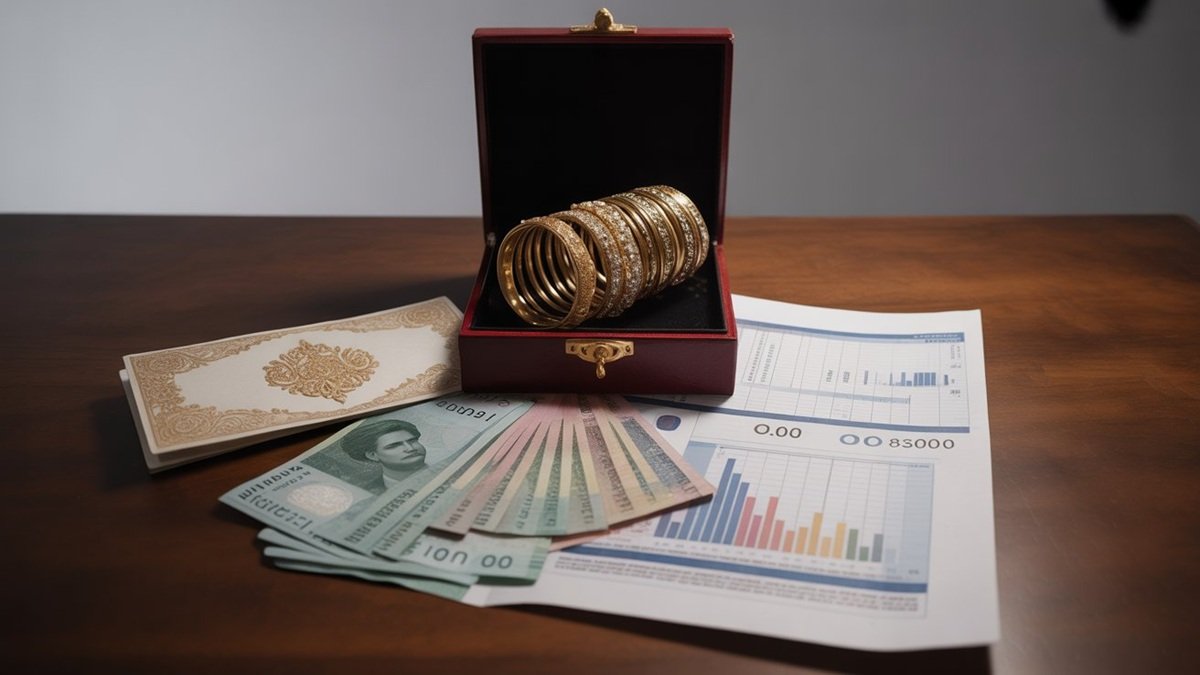
Traditional marriage trends are changing
Popular Artificial Jewellery Choices for Pakistani Brides
- Kundan Bridal Sets — Traditional heavy style, perfect for mehndi and baraat
- Polki and Stone Jewellery — Luxury bridal looks without the gold price
- One-Gram Gold Jewellery — A middle ground for families who still want a gold finish
- Minimalist Nikah Sets — Simple and elegant for nikah and walima functions
This trend is now fashion-driven as much as budget-driven. Many young brides in 2026 actively prefer bold artificial sets because they offer more variety at lower cost.
What Is Driving Gold Prices Higher
Gold prices are rising because of both global and local pressures acting together. According to the World Gold Council, investor demand rises sharply during uncertainty because gold is treated as a safe-haven asset.
Main reasons gold keeps getting more expensive:
- Global economic uncertainty pushing investors toward gold
- Geopolitical tensions increasing safe-haven demand worldwide
- Central banks like China continuing to build gold reserves
- Pakistan’s own wedding season creating strong local demand
- Inflation driving buyers to use gold as savings protection
How the Rupee Makes Gold More Expensive
Gold is imported and priced in US dollars. That means the Pakistani Rupee directly affects what buyers pay locally. When the rupee weakens, importers pay more, and those costs pass straight to buyers.
Even when global gold prices stay flat, local prices in Pakistan can still rise. That is why many people feel they never benefit from global price dips. The exchange rate acts as a hidden extra cost layered on top.
The State Bank of Pakistan exchange rate data shows clearly how currency movement has compounded the effect of global gold price shifts on Pakistani buyers. Every rupee lost in value adds more cost at the jewellery counter.
How Local Jewellers Are Adapting
This shift is changing the jewellery business too. I tested this myself by visiting three jewellery shops in Rawalpindi’s Raja Bazaar last month. Two of the three had expanded their artificial bridal sections significantly since 2024. One had stopped stocking heavy gold sets altogether.
Traditional jewellers are now adding artificial bridal collections, rental jewellery services, one-gram gold products, and custom imitation bridal sets to stay relevant.
Earlier, customers asked first about gold weight. Now they ask about appearance, budget matching, dress coordination, and event-wise styling. Many small jewellers now depend heavily on artificial jewellery sales for their monthly revenue.
How to Choose and Care for Artificial Jewellery
What to Check Before Buying
- Plating Quality: Thicker plating lasts longer. Ask the seller directly.
- Stone Setting: Loose stones cause quick damage. Press gently to test before buying.
- Skin Safety: Low-quality metal can cause irritation. Opt for hypoallergenic options.
- Storage Guidance: Good sellers explain care clearly. It is a sign of quality.
Daily Care Rules
- Last on, first off: Apply perfume, makeup, and lotion before wearing jewellery.
- Avoid water: Remove before showering, swimming, or exercise.
- Wipe after use: A soft microfiber cloth removes oil, sweat, and dust after every event.
Smart Storage Tips
- Use airtight boxes and store each piece separately.
- Add silica gel sachets to control moisture and reduce tarnishing.
- Avoid tangling by using compartmentalized storage trays.
How Long Artificial Jewellery Lasts
| Type | Estimated Lifespan |
|---|---|
| Daily wear jewellery | 6 months to 1 year |
| Occasional wear jewellery | 2 to 5 years |
| Premium bridal imitation sets | 5+ years |
Much like how smart planning is transforming other sectors, Pakistan’s airports are also modernising to reduce long queues, showing a broader national trend toward practical, efficiency-focused solutions.
What Changed Between 2025 and 2026
In 2025, bridal gold shopping had already started slowing. But most families still tried to maintain traditional expectations. They might buy one set instead of three, but they still bought gold.
In 2026, crossing Rs500,000 per tola created a strong psychological barrier. That number changed everything. Families moved from reducing gold to replacing it completely. Artificial jewellery stopped being the backup plan. For many weddings now, it is the main bridal choice.
What Happens Next
If gold prices stay near current levels, this trend may become permanent. That could reduce traditional dowry pressure and improve financial planning across households.
For many Pakistani households, security now matters more than gold weight. That may be the most important wedding lesson of 2026.
Frequently Asked Questions