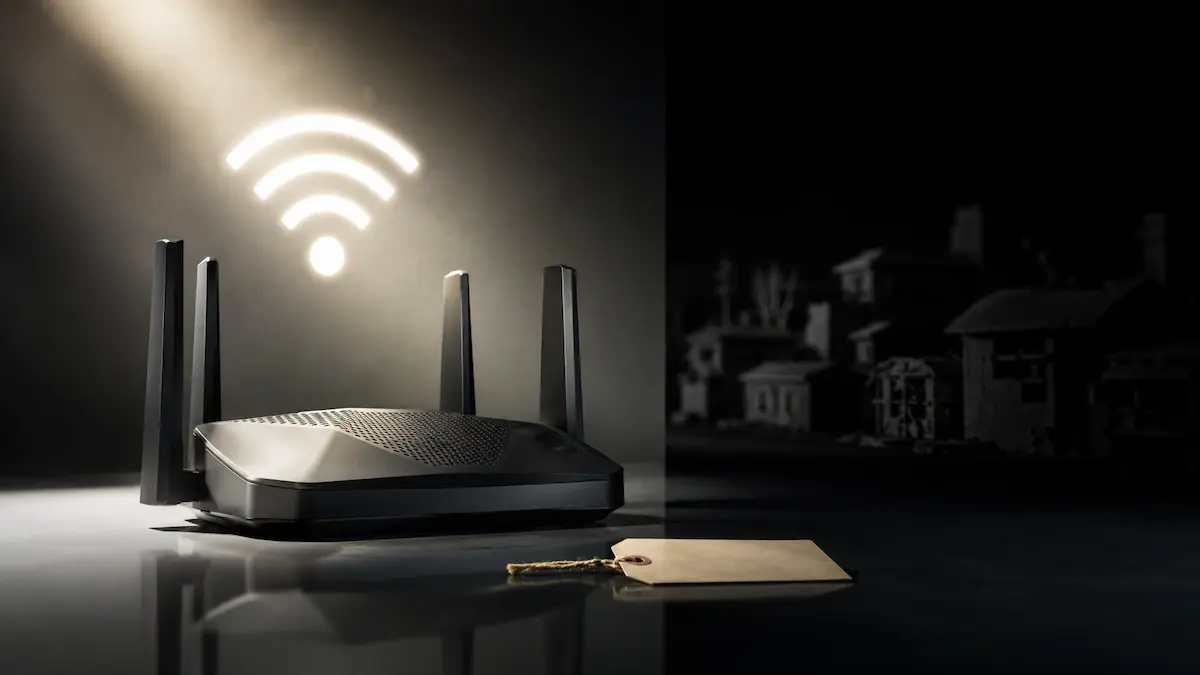
Wi-Fi 7 in Pakistan: What the TP-Link Archer BE400 Launch Actually Means
The Pakistan Telecommunication Authority approved Wi-Fi 7 for use in the 6 GHz band in late 2025. That approval placed Pakistan among early adopters in the Asia Pacific region. It opened the door for faster speeds, lower latency, and support for demanding applications like 8K streaming and cloud-heavy workflows.
The TP-Link Archer BE400 is the first Wi-Fi 7 router to officially appear in the Pakistani market. Its listed price is Rs50,999. But finding one in stock is a different challenge entirely.
Retail checks across major technology markets and online platforms confirm that the device is out of stock on most platforms. The gap between regulatory approval and actual consumer access has become the real story behind Pakistan’s Wi-Fi 7 rollout.
What the TP-Link Archer BE400 Actually Offers
The Archer BE400 is not a minor upgrade. It brings meaningful technical improvements over Wi-Fi 6 routers that currently dominate the Pakistani market.
The device supports dual band speeds reaching up to 6.5 Gbps. It uses 320 MHz channels, which is double the width available in Wi-Fi 6. Multi Link Operation technology allows devices to connect across multiple bands at the same time, which reduces latency and improves stability.
Additional features include 2.5 Gigabit WAN and LAN ports, better handling of dense device environments, and support for cloud gaming and ultra high definition streaming.
However, actual performance depends on internet package speeds and whether connected devices support Wi-Fi 7. Most smartphones, laptops, and tablets currently in Pakistani homes do not.
Wi-Fi 7 vs Wi-Fi 6: How Big Is the Real Difference?
| Feature | Wi-Fi 7 Archer BE400 | Typical Wi-Fi 6 Router |
|---|---|---|
| Maximum Speed | Up to 6.5 Gbps | Around 1.5 Gbps |
| Channel Width | 320 MHz | 160 MHz |
| Latency | Lower with MLO support | Higher |
| Device Handling | Better for dense environments | Good |
| 8K Streaming Support | Designed for it | Limited |
| Typical Pakistan Price | Rs50,999 | Rs12,499 to Rs21,999 |
On paper, Wi-Fi 7 delivers real improvements. In practice, most Pakistani households subscribe to internet packages between 20 Mbps and 100 Mbps. At those speeds, the difference between Wi-Fi 6 and Wi-Fi 7 is barely noticeable in everyday use.
If a household is considering upgrading its home network, this guide on the best and cheapest internet packages in Pakistan explains what speed tiers are actually available and whether a premium router upgrade makes financial sense right now.
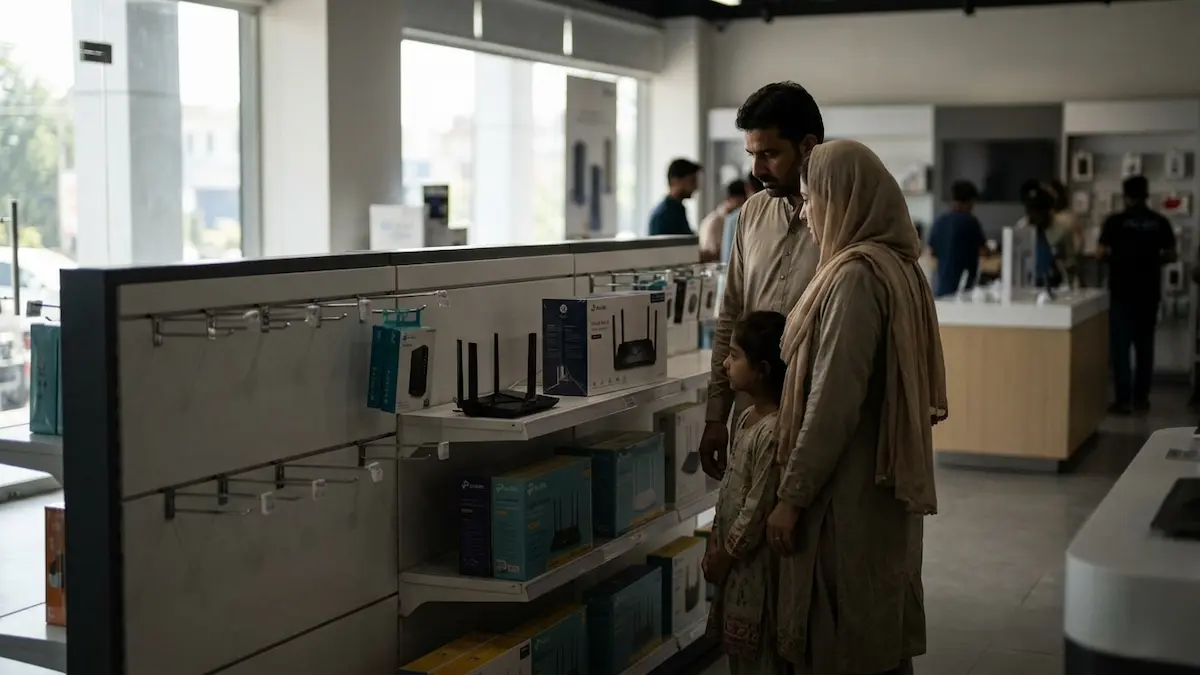
Why Is Wi-Fi 7 So Hard to Find in Pakistan?
Several factors explain the shortage. They are not temporary glitches. They reflect deeper structural realities in Pakistan’s technology import market.
Limited Consumer Demand
Most home users in Pakistan do not need gigabit speeds yet. Distributors import what sells. Without strong demand signals, premium stock stays low.
Import Costs and Currency Pressures
Networking equipment faces duties, taxes, logistics fees, and currency fluctuation risks. These costs push retail prices higher and make distributors cautious about large orders for niche products.
Device Compatibility Gap
A Rs50,999 router that works best with Wi-Fi 7 compatible devices is a hard sell when most buyers own smartphones and laptops that top out at Wi-Fi 6. That mismatch slows market uptake.
Supply Chain Caution
Distributors typically wait for demand to build before scaling imports. Pakistan is still in the early adoption phase, not mass deployment. Until that changes, availability will remain tight.
Who Should Actually Consider Buying Wi-Fi 7 Today?
According to the Pakistan Telecommunication Authority, the 6 GHz band approval aims to support innovation and improve wireless performance nationwide. That is a long term goal. Short term, the answer depends entirely on individual circumstances.
Wi-Fi 7 may make practical sense for users on premium fiber packages, households managing more than 20 connected devices, content creators working with large media files, and professionals requiring low latency for competitive gaming or cloud applications.
For everyone else, a quality Wi-Fi 6 router continues to handle streaming, video calls, online classes, and social media without issue. A review of budget internet devices tested for the Pakistani market highlights several Wi-Fi 6 options that offer strong performance without the premium price.
Households evaluating connectivity options more broadly may also find it useful to compare alternatives. A detailed breakdown of whether Starlink or fiber makes more sense for Pakistani consumers adds useful context to this decision.
Pakistan’s Wi-Fi 7 Timeline
| Year | Development |
|---|---|
| 2024 | Global expansion of Wi-Fi 7 devices accelerates |
| September 2025 | PTA approves Wi-Fi 7 use in the 6 GHz band |
| Late 2025 | Early announcements highlight future potential |
| 2026 | TP-Link Archer BE400 appears in Pakistan at Rs50,999 |
| June 2026 | Consumers report extremely limited retail availability |
The timeline confirms Pakistan is in an early adoption phase. Mass deployment is a future scenario, not a current reality. Internet service providers have not yet rolled out packages fast enough to make Wi-Fi 7 essential for average households.
What Happens Next for Wi-Fi 7 in Pakistan?
Several developments could shift this picture. Internet service providers may gradually introduce faster home packages. Device manufacturers are expected to expand Wi-Fi 7 support across more product lines. Competitive pricing could improve as additional brands enter the market.
Until those changes materialize, Wi-Fi 7 will remain a premium category in Pakistan rather than a mainstream household upgrade. The Economic Survey of Pakistan 2025 to 2026 reported growth in broadband adoption and highlighted the rising importance of digital services, remote work, and the information technology sector. That growth will eventually pull demand for better wireless infrastructure.
The question is not whether Wi-Fi 7 will become relevant in Pakistan. It is when.
Frequently Asked Questions
Is Wi-Fi 7 officially approved in Pakistan?
Yes. The Pakistan Telecommunication Authority approved Wi-Fi 7 operations in the 6 GHz spectrum in late 2025 under the applicable regulatory framework.
How much does the TP-Link Archer BE400 cost in Pakistan?
The router has been listed at approximately Rs50,999 across Pakistani technology retailers and online platforms.
Can Wi-Fi 7 improve a slower internet package?
Not significantly. Users on packages below 100 Mbps are unlikely to notice a meaningful difference compared to a good Wi-Fi 6 router.
Why is the TP-Link Archer BE400 hard to find in Pakistani stores?
Limited consumer demand, high import costs, device compatibility gaps, and distributor caution have all contributed to extremely restricted retail availability nationwide.
Do current smartphones in Pakistan support Wi-Fi 7?
Only some newer flagship devices support Wi-Fi 7. Most smartphones and laptops currently in use across Pakistan support Wi-Fi 6 at most.
Is Wi-Fi 6 still a good option for Pakistani households?
Yes. For the majority of households using streaming services, video calls, online classes, and social media, Wi-Fi 6 continues to deliver strong performance at a significantly lower cost.