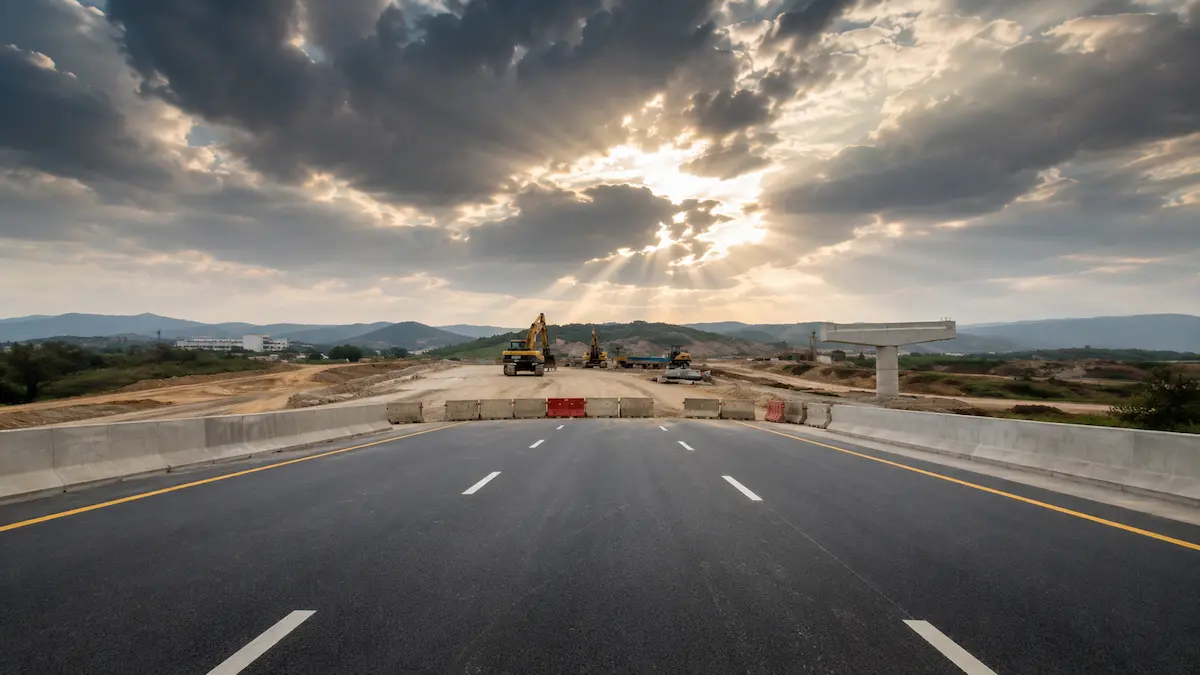
Rawalpindi Ring Road Nears Completion at 90%
The Rawalpindi Ring Road is one of Punjab’s largest infrastructure projects. This 38.6-kilometer corridor is designed to divert heavy traffic away from congested urban areas of Rawalpindi and Islamabad. According to officials involved in the project, most of the major engineering work has already been completed.
The project cost has increased significantly over time and now stands at approximately Rs47 billion to Rs50 billion. The Frontier Works Organisation is executing the project under the supervision of the Rawalpindi Development Authority. While major civil construction is mostly finished, several key components remain incomplete before traffic can safely use the road.
What Work Is Still Pending on the Ring Road
The remaining 10% includes critical safety and operational components. Around 8 kilometers of final road carpeting still needs completion. Drainage systems designed to handle monsoon runoff remain under construction. Safety barriers, street lighting, and sewerage works are also ongoing across several sections.
The Thalian Interchange, which will connect the Ring Road to the motorway network, remains part of Phase II development. Officials have indicated that these remaining works directly affect whether the road can safely open to public traffic.
Pending Components Breakdown
| Component | Current Status | Why It Matters |
|---|---|---|
| Final road carpeting | Around 8 km pending | Required for full traffic operations |
| Drainage systems | Ongoing | Important before monsoon season |
| Safety barriers | Incomplete | Essential for highway safety |
| Street lighting | Installation underway | Necessary for night travel |
| Sewerage works | Minor work pending | Prevents water accumulation |
| Thalian Interchange | Phase II pending | Important for long-term connectivity |
Why the Final 10% Takes Longer Than Expected
Infrastructure projects typically slow down during the final stage because remaining tasks are directly linked to operational readiness. A highway can appear physically complete while still lacking safety systems needed for public use. Pakistan’s summer monsoon season creates additional urgency for completing drainage channels and water management systems.
Officials have indicated that even if construction finishes by the end of June, additional inspection and validation procedures may still be required before opening the road to traffic. This means the difference between construction completion and actual opening could be several weeks.
Timeline: How Deadlines Have Shifted
The Rawalpindi Ring Road project has experienced multiple deadline revisions. Punjab Chief Minister Maryam Nawaz originally directed authorities to complete the project by December 2025. That target was later revised multiple times as construction challenges continued on various sections.
Project Timeline History
| Period | Official Target |
|---|---|
| December 2025 | Initial completion target |
| March 2026 | Revised deadline |
| May 2026 | Third target announced |
| June 30, 2026 | Current construction deadline |
What the Delay Means for Rawalpindi Residents
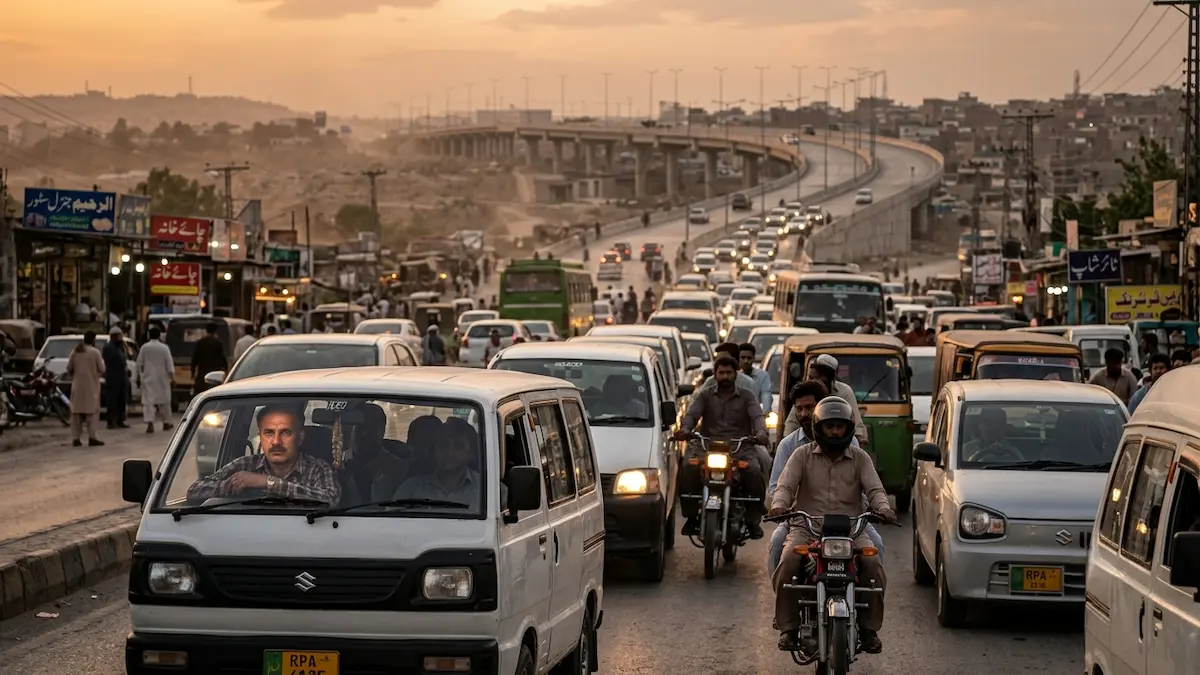
For residents, the delay is more than a scheduling issue. Heavy commercial vehicles continue to pass through existing city routes, contributing to congestion on key roads. Residents traveling between Rawalpindi, Islamabad, Rawat, Chakri, and surrounding areas are among those expected to benefit once the project becomes operational.
Authorities have repeatedly stated that the road’s main goal is to divert heavy traffic away from populated urban corridors. Until the road opens, current traffic patterns are expected to remain largely unchanged. When comparing to other transport infrastructure like Pakistan’s 3 new motorway projects that are reshaping regional travel, the Ring Road will play a similar role at the local level.
Consumer Perspective: What Commuters Are Waiting For
For ordinary residents, the biggest question is simple: when will daily travel actually improve? Many commuters are less concerned about completion percentages and more interested in travel time savings. Drivers using GT Road and Rawat connecting routes often face congestion during peak hours, especially where heavy vehicles mix with local traffic.
The promise of the Ring Road has always been practical. Faster movement, reduced bottlenecks, and improved access between major transport corridors. Commuters recognize that supporting systems such as drainage, lighting, safety barriers, and inspections still determine when benefits reach the public. The Thalian Interchange remaining in Phase II means some long-term traffic benefits may arrive gradually rather than immediately.
Economic and Traffic Impact of the Ring Road
The Rawalpindi Ring Road is expected to play a significant role in regional transportation planning. Government discussions have linked the project to improved logistics movement, reduced congestion, and future commercial development along the corridor. Authorities have explored relocating certain wholesale markets, warehouses, and transport facilities closer to the Ring Road area.
Large infrastructure projects often generate secondary economic activity through industrial development, logistics services, and real estate growth. Those interested in vehicle efficiency should note that reducing congestion also helps with fuel consumption. For reference, understanding real fuel average of 3 popular bikes in Punjab can help commuters calculate long-term savings once traffic improves. However, many of these longer-term economic benefits depend on full operational readiness and supporting infrastructure connections.
What Happens Next for the Ring Road
Several milestones remain before the project can be fully opened to public traffic. Expected next steps include completion of remaining road carpeting, finalization of drainage systems, installation of safety barriers, completion of street lighting, and final inspections by engineering teams. Government approval for opening to traffic will be the final requirement.
For residents planning vehicle purchases, options range widely. Those considering budget vehicles should research options like Rs 15 lakh used car budget Pakistan to understand what market conditions look like. Officials have indicated that final inspection processes will play a major role in determining the actual opening schedule, regardless of construction completion dates.
Key Facts About Rawalpindi Ring Road
| Key Point | Details |
|---|---|
| Overall Progress | Around 90% complete |
| Project Cost | Approximately Rs47 to Rs50 billion |
| Total Length | 38.6 kilometers |
| Remaining Work | Carpeting, drainage, lighting, barriers |
| Current Deadline | June 30, 2026 |
| Main Benefit | Reduced urban traffic congestion |
Frequently Asked Questions
Is the Rawalpindi Ring Road complete?
No. Officials report approximately 90% completion, with several important works still ongoing, including road carpeting, drainage systems, safety barriers, and lighting installations.
Why has the opening been delayed?
Pending work includes final road carpeting on around 8 kilometers, drainage system completion, safety barrier installation, street lighting, and final inspections before traffic operations can begin.
What is the total cost of the project?
Recent official estimates place the project cost between approximately Rs47 billion and Rs50 billion, depending on the phase and land acquisition costs included.
Will the motorway connection be available immediately?
The Thalian Interchange remains part of Phase II development. Authorities have stated that broader connectivity improvements will continue as later phases progress.
How will the Ring Road help Rawalpindi?
The project aims to divert heavy traffic away from city roads, improve regional connectivity between Rawalpindi and Islamabad, and reduce congestion in major urban areas.
What is the length of the Rawalpindi Ring Road?
The corridor stretches approximately 38.6 kilometers and is being executed by the Frontier Works Organisation under the supervision of the Rawalpindi Development Authority.