
What Is Changing in Pakistan’s Freelance Market
Pakistan’s freelance economy is shifting under pressure from AI tools. The biggest change is happening in repetitive work. Tasks like basic blog writing, simple graphic design, social media content, and data entry now face stronger competition from AI.
Clients increasingly expect faster delivery, lower prices, and more specialized skills. This does not mean demand disappeared. Instead, the market is moving away from task sellers toward problem solvers.
Pakistan’s digital economy still shows growth. Institutions supporting technology exports, including the Pakistan Software Export Board, continue tracking strong momentum in technology-related exports even as work categories shift.
Areas Facing More Pressure
| Higher Risk Work | Growing Work Categories |
|---|---|
| Data entry | Automation setup |
| Basic content writing | Technical writing |
| Simple design work | AI workflows |
| Routine virtual assistance | Product consulting |
| Repetitive support work | Data analysis |
Generic services face more pressure. Specialized services often hold value better. Many freelancers in Pakistan working on freelance taxes and documentation are discovering that strategic positioning matters more than low pricing.
Why Pakistan Faces More AI Pressure Than Other Markets
Pakistan built much of its freelance growth around three strengths: competitive pricing, English language skills, and access to global marketplaces. These advantages also created vulnerability.
AI usually automates repetitive and low complexity tasks first. Pakistan’s large base of entry level digital workers means many feel pressure earlier than competitors in higher-cost markets.
Platforms like Upwork also became more competitive as global supply increased. Therefore, freelancers now compete against both people and software simultaneously.
Pakistan’s Freelance Economy Is Still Growing
The market signals look mixed but ultimately positive.
| Period | Estimated Earnings | Market Signal |
|---|---|---|
| First half FY26 | Around $557 million | Growth continues |
| First 10 months FY26 | Around $959 million | Strong expansion |
| Overall trend | Moving upward | Higher specialization |
If income grows while routine work declines, money is likely moving toward higher value services. The story is less about collapse and more about redistribution toward expertise.
Which Jobs Feel AI Pressure First
AI affects predictable work first. Content writing, graphic design, virtual assistance, and data entry remain among the most exposed categories. Basic SEO articles and product descriptions face stronger pricing pressure. Template-based graphics now take less time because of AI design tools.
Beginners face a steeper learning curve than previous years. However, freelancers developing AI-powered freelance skills often find new opportunities.
AI Tools Reshaping Freelance Work
Several AI tools now appear regularly across freelance workflows.
| Tool | Common Use | Why It Matters |
|---|---|---|
| ChatGPT | Writing and research | Faster first drafts |
| Claude | Long documents | Better document handling |
| Canva AI | Visual content | Faster graphics creation |
| Gemini | Productivity tasks | Research support |
| Copilot | Coding | Faster development |
| Zapier | Automation | Removes repetitive work |
Freelancers increasingly win by combining these tools instead of avoiding them. The most successful professionals are those who use AI to increase speed and quality rather than those fighting against automation.
What Pakistani Freelancers Are Doing Next
Freelancers who remain competitive usually follow clear patterns. Many are moving from tasks to solutions, combining AI with human review, and building specialized skills.
Clients still pay premium rates for accuracy, editing, context, communication, and decision making. This is where human expertise and AI collaboration creates real value.
Specialized work often protects pricing. Healthcare content, SaaS support, local language services, technical documentation, and research services continue showing strong demand. Trust increasingly becomes part of the product.
A Practical Adaptation Roadmap
Many freelancers ask what to do next. A simple roadmap works better than chasing every trend:
Step 1: Audit Existing Services. Identify tasks AI can replace easily.
Step 2: Learn One Tool Properly. Start with one workflow first. Master it before expanding.
Step 3: Add Human Value. Focus on verification, strategy, communication, and problem solving.
Step 4: Build Direct Relationships. Many freelancers increasingly invest in personal websites, LinkedIn profiles, referrals, and repeat clients.
Step 5: Package Services. Selling outcomes often works better than selling hours. Check resources like AI tools guides for higher income to learn what your market values.
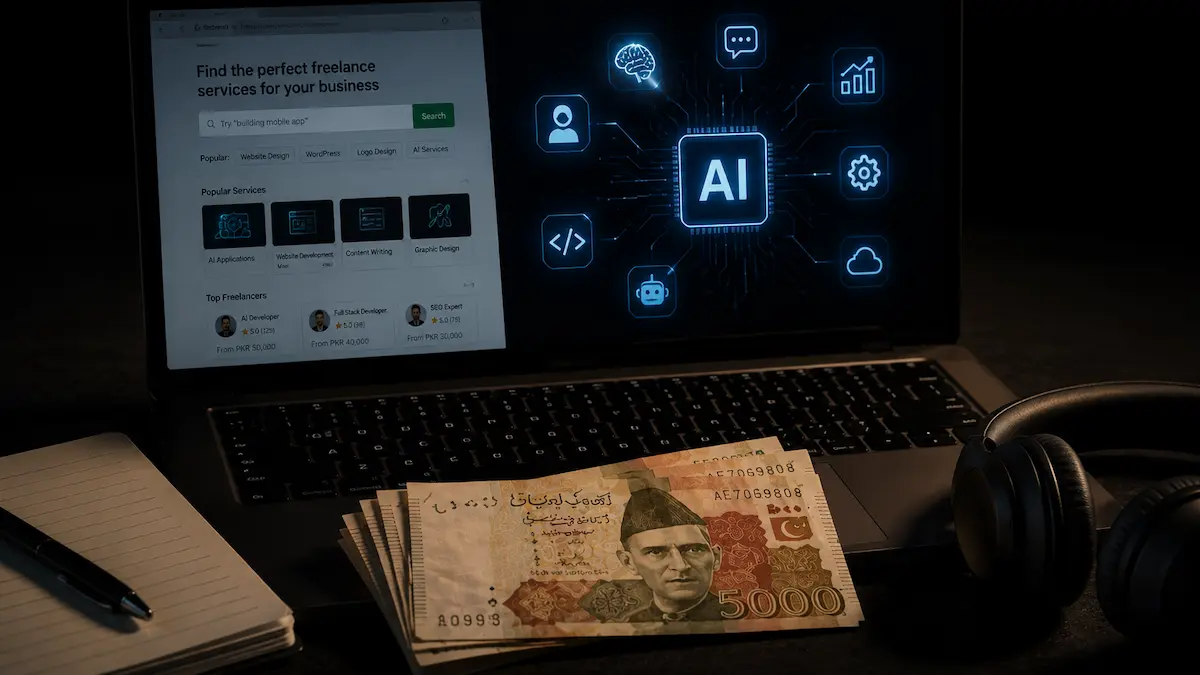
What Changed Compared With Previous Years
The freelance market has shifted fundamentally. Earlier years offered easier platform entry, lower client expectations, and more repetitive work. Today brings faster delivery expectations, greater competition, more AI use, and higher specialization requirements.
Pakistan’s freelance market already adapted through payment issues, platform changes, and economic cycles. AI simply accelerated existing trends that were already underway.
Why This Matters for Pakistan
Freelancing now affects more than online workers. It contributes to household income, technology exports, foreign exchange inflows, women’s remote work participation, and youth employment.
Organizations supporting digital exports increasingly focus on higher value technology skills because export growth now depends more on expertise than volume. This creates both challenge and opportunity for Pakistani talent.
What Happens Next
Several trends may shape the next phase. More AI-assisted services, greater automation demand, higher pressure on entry level work, growth in specialized services, and more direct client relationships appear likely.
The strongest signal remains transition. Pakistan’s freelance market appears to be upgrading faster than shrinking. Income continues growing even as work categories change.
Key Takeaway
AI is changing freelance work, but it is not removing the need for human skills. Routine tasks face more pressure. Specialized services appear stronger. The freelancers likely to benefit most are those combining technology with communication, judgment, and niche expertise. Adaptation is not optional. It is already happening. The question is whether you move proactively or reactively.
Frequently Asked Questions
Is freelancing still growing in Pakistan?
Recent earnings trends suggest overall growth continues despite changes in work categories. First half FY26 showed around $557 million in earnings, with first 10 months reaching around $959 million, indicating strong expansion and higher specialization in the market.
Which freelance jobs face the most disruption from AI?
Routine writing, repetitive support tasks, data entry, basic content writing, simple design work, and routine virtual assistance face stronger pressure. However, specialized services like automation setup, technical writing, AI workflows, product consulting, and data analysis continue showing strong demand.
Can beginners still start freelancing in Pakistan?
Yes, beginners can still start freelancing. However, skill requirements and competition have increased significantly compared to previous years. New freelancers now need more specialized skills and faster delivery expectations.
Why does Pakistan face more AI pressure than other freelance markets?
Pakistan built much of its freelance growth around affordability, English language skills, and access to global marketplaces. AI typically automates repetitive and low complexity tasks first, meaning Pakistan’s large base of entry level digital workers feels pressure earlier than other markets.
What skills appear stronger after AI adoption?
Automation, technical services, specialized writing, analytics, and workflow management continue showing stronger demand. Moving from task-based services to solution-based services, combining AI with human review, and building specialized skills in niche areas protect pricing better.
Are freelance marketplaces like Upwork still useful for Pakistani freelancers?
Platforms still create opportunities. However, competition remains high. Many successful freelancers now combine platform work with direct client relationships through personal websites, LinkedIn profiles, and referral networks.