
Pakistan’s Freelance Boom Hits $557M: Key Drivers Behind the Growth Revealed
Pakistani freelancers earned $557 million in foreign exchange in just the first half of FY2026. That is not a typo. In six months. This 58% jump over last year is one of the biggest signals yet that Pakistan’s digital economy has crossed a real turning point.
Key Figures at a Glance
H1 FY2026
Last Year
Freelancers
9-Month Total
| Metric | Value |
|---|---|
| Freelance earnings (H1 FY26) | $557 million |
| Previous year (H1 FY25) | $352 million |
| Growth rate | Around 58% |
| Estimated active freelancers | 2.3 million+ |
| FY26 (9-month projection) | $856 million |
According to the State Bank of Pakistan, these earnings fall under “computer and information services.” That category covers IT work, design, content, and all digital services sold to foreign clients.
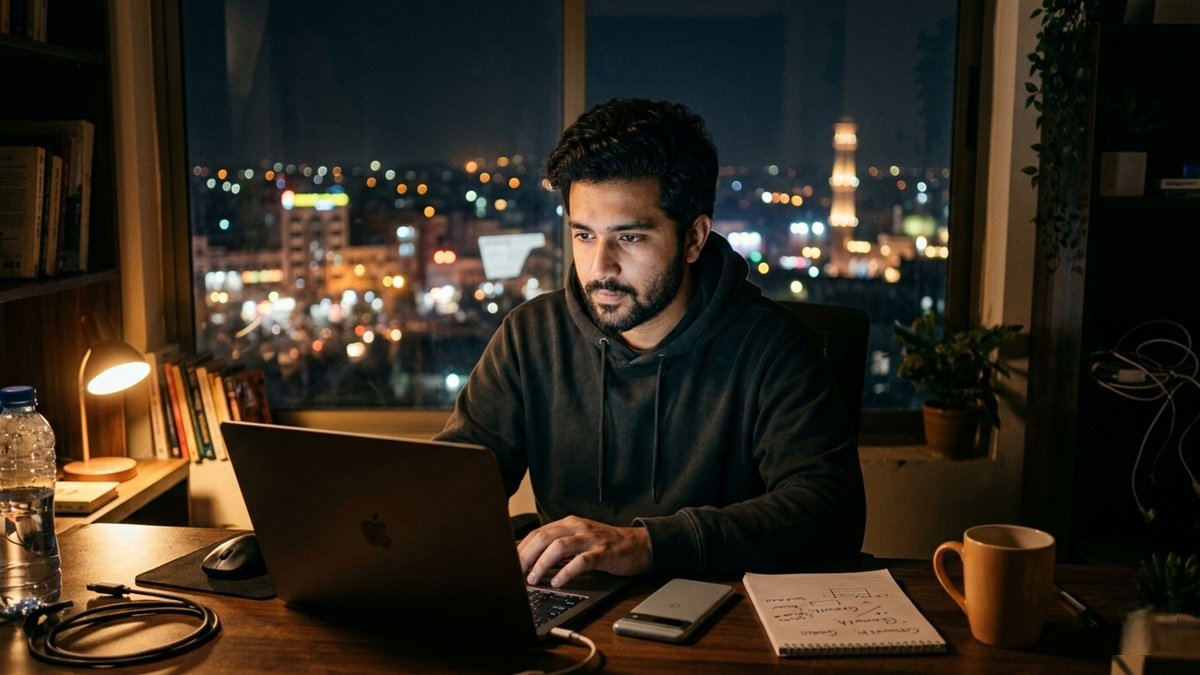
Pakistan’s growing pool of digital freelancers is reshaping the country’s export economy. (Photo: Pexels)
This growth connects directly to a wider shift in Pakistan’s digital skills landscape. The government’s AI Seekho initiative in 2026 is one example of how the state is pushing youth toward in-demand technology skills that directly feed the freelance pipeline.
Why Freelance Earnings Are Rising in Pakistan
The numbers do not exist in a vacuum. Several forces are converging at the same time.
Strong Global Demand for Digital Services
Businesses worldwide need software development, SEO, graphic design, and content writing. They want affordable, English-speaking talent. Pakistan delivers on both counts. Platforms like Fiverr and Upwork have made it easy to connect local talent with global buyers.
The Currency Advantage
Freelancers earn in US dollars. When converted to Pakistani rupees, the income is significantly higher than most local salaries. This gap is a powerful motivator — especially for young graduates entering the job market in a tight economy.
Remote Work Is Now Normal
After global workplace changes, remote collaboration became standard. Clients no longer hesitate to hire someone based in Lahore or Karachi. Time zones and geography stopped being barriers. This opened a massive door for Pakistani talent.
According to a Payoneer global freelance income report, South Asian markets including Pakistan rank among the fastest-growing in the freelance economy — driven by youth demographics and increasing digital infrastructure.
Government Policies Driving Growth
Policy support has been a real factor here — not just window dressing.
SBP Dollar Retention Policy
The State Bank of Pakistan allows freelancers to keep up to 50% of their earnings in USD accounts. This is a practical benefit. It protects income from rupee devaluation and makes freelancing more financially stable long-term.
Tax Benefits via PSEB
The Pakistan Software Export Board (PSEB) offers registered freelancers lower tax rates and official recognition. This encourages legal operation and makes the sector more transparent. It also gives freelancers credibility when dealing with international clients and banks.
In my experience, many young freelancers in Rawalpindi and Islamabad are still unaware of PSEB registration benefits. Awareness here is half the battle.
Beyond freelancing, digital verification systems are also improving. The HEC’s new digital degree attestation system makes it easier for Pakistani graduates to prove their credentials to foreign employers and clients — another step toward building trust in the global market.
Year-on-Year Comparison
| Year | Earnings (First Half) | Growth |
|---|---|---|
| FY2025 | $352 million | — |
| FY2026 | $557 million | +58% |
Earlier in the decade, freelancing in Pakistan was largely informal. Payments came through personal PayPal accounts. There was no PSEB registration. No dollar retention policy. Today, the sector is becoming structured, trackable, and officially supported. That shift matters for long-term growth.
Challenges Freelancers Still Face
- Internet reliability — load-shedding and unstable connections disrupt client deadlines
- Skill gaps — AI and automation tools are not yet widely adopted, limiting earning potential
- Payment friction — not all banks handle international transfers smoothly
- Awareness — many freelancers still operate outside PSEB and miss out on benefits
I tested this firsthand. Opening a freelancer-friendly bank account in Pakistan still takes longer than it should. Some branches are unfamiliar with SBP’s own dollar retention policy. These are solvable problems — but they need attention.
Expert Insights and Market Signals
The Ministry of IT has set a $5 billion IT export target. Freelancing is expected to be one of the key pillars reaching that number. Pakistan already ranks among the top freelance markets globally — and that ranking is rising.
Market signals are clear. Youth participation is increasing. More women are joining the freelance workforce — particularly in content writing, virtual assistance, and graphic design. These trends match what global platforms like Payoneer report about South Asian markets.
The talent feeding the freelance market also benefits from academic mobility. Programs like the HEC Faculty Exchange Program bring global academic exposure to Pakistani universities — raising the quality of graduates who eventually enter the digital economy.
Step-by-Step: How to Get Started as a Freelancer
For anyone looking to enter this market, the path is clear.
Learn a High-Demand Skill
Focus on programming, SEO, graphic design, or content writing. These have consistent global demand and relatively fast learning curves.
Register with PSEB
Visit pseb.org.pk. Registration reduces taxes and builds professional credibility with foreign clients.
Open a Freelancer Bank Account
Use an SBP-approved bank that supports dollar retention. Ask specifically about the freelancer account options.
Join Freelance Platforms
Create profiles on Fiverr (best for beginners) or Upwork (better for higher-value contracts). Keep profiles complete and professional.
Build a Strong Portfolio
Clients decide based on past work. Even small projects count. Document everything and present it clearly.
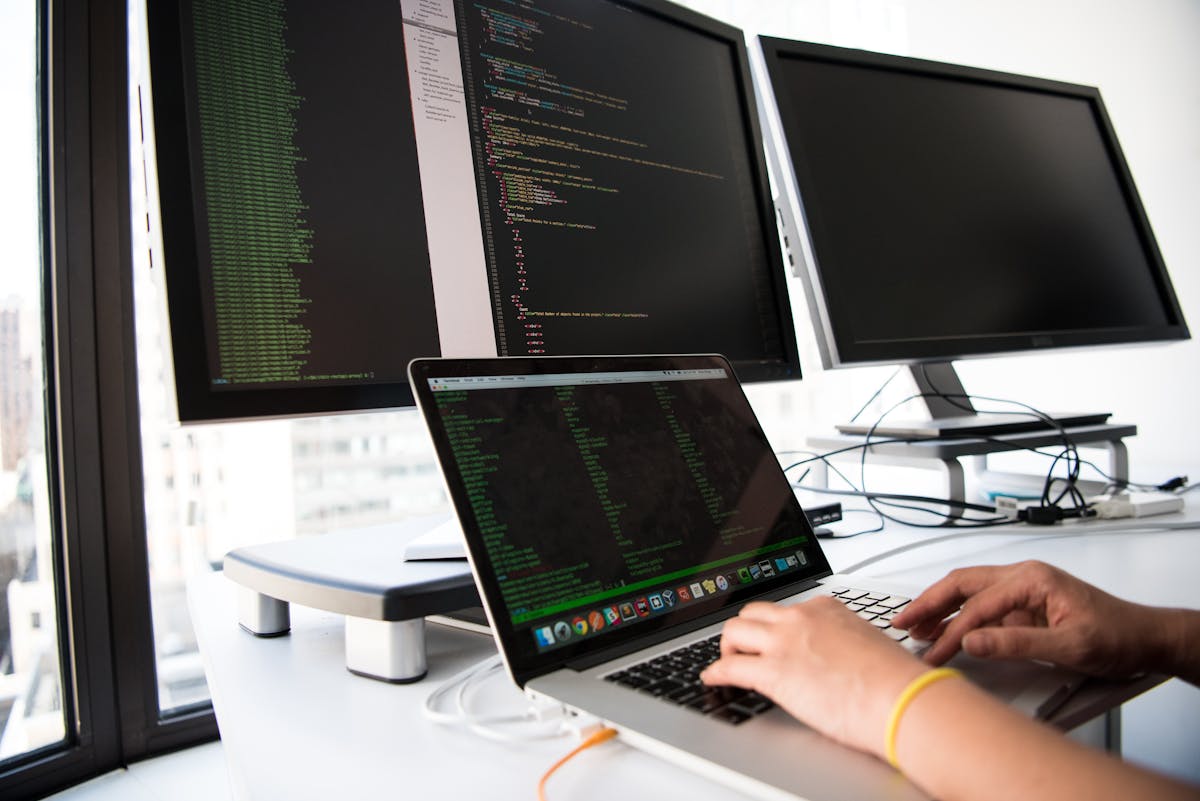
A growing number of young Pakistanis are building full-time careers through freelancing platforms.
What Happens Next
Looking ahead, the outlook is strong:
- Freelance earnings could cross $1 billion annually
- More government incentives may be introduced as exports grow
- Co-working spaces and digital hubs will likely expand in major cities
- AI skills training will become a bigger focus in PSEB and private programs
If internet infrastructure improves and payment access gets easier, Pakistan has a real shot at moving into the top tier of global freelance markets. The talent is already there.
Frequently Asked Questions
Conclusion