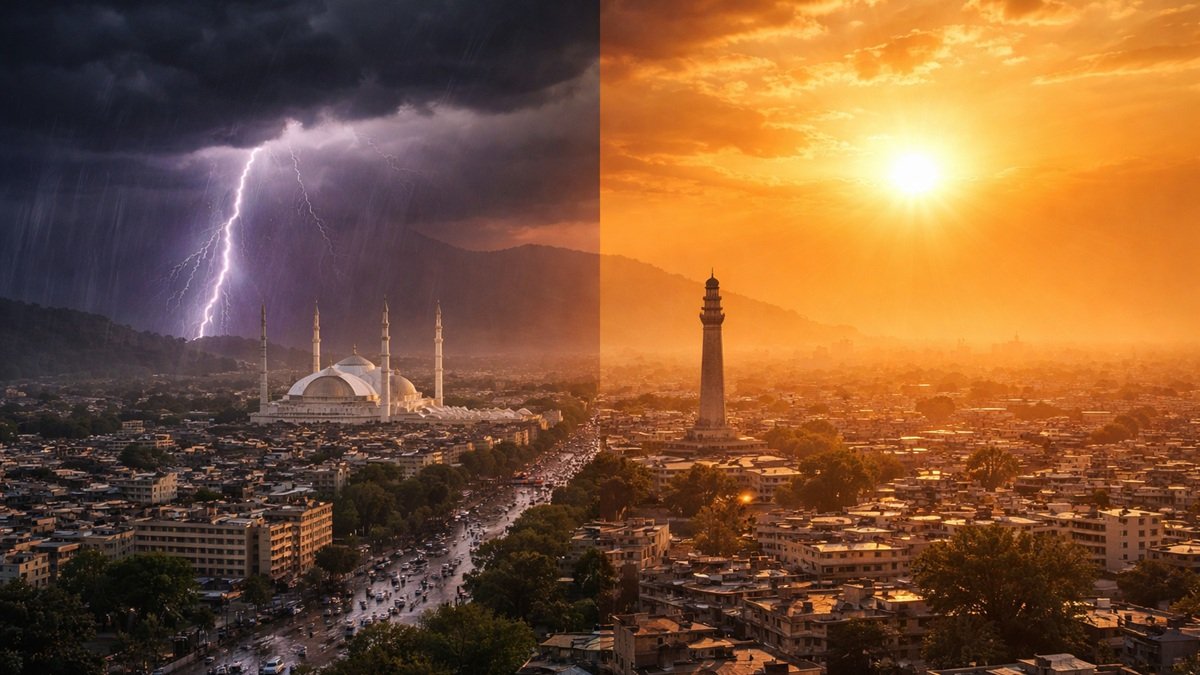
Pakistan’s weather is changing fast. April 2026 has brought storms, hail, and rising heat all in the same week. The Pakistan Meteorological Department (PMD) has issued active alerts. This guide breaks down the 14-day outlook, city risks, and what you should do right now. It is written in simple language. No jargon. Just the facts.
📋 Table of Contents
PMD Forecast System Explained
The Pakistan Meteorological Department is the official source for weather data in Pakistan. It provides daily updates, severe weather alerts, and seasonal outlooks.
PMD does not usually publish a full 14-day city-by-city forecast. Instead, it shares trend-based guidance to help people plan ahead. For the most up to date alerts, visit:
These platforms offer radar images, warnings, and daily forecasts. They are essential for planning travel, farming, and daily routines.
Pakistan is also experiencing broader regional climate shifts. According to the World Meteorological Organization, South Asia has seen increasing weather extremes in spring months due to changing jet stream patterns. This makes local PMD data even more valuable.

14-Day Weather Outlook (Major Cities)
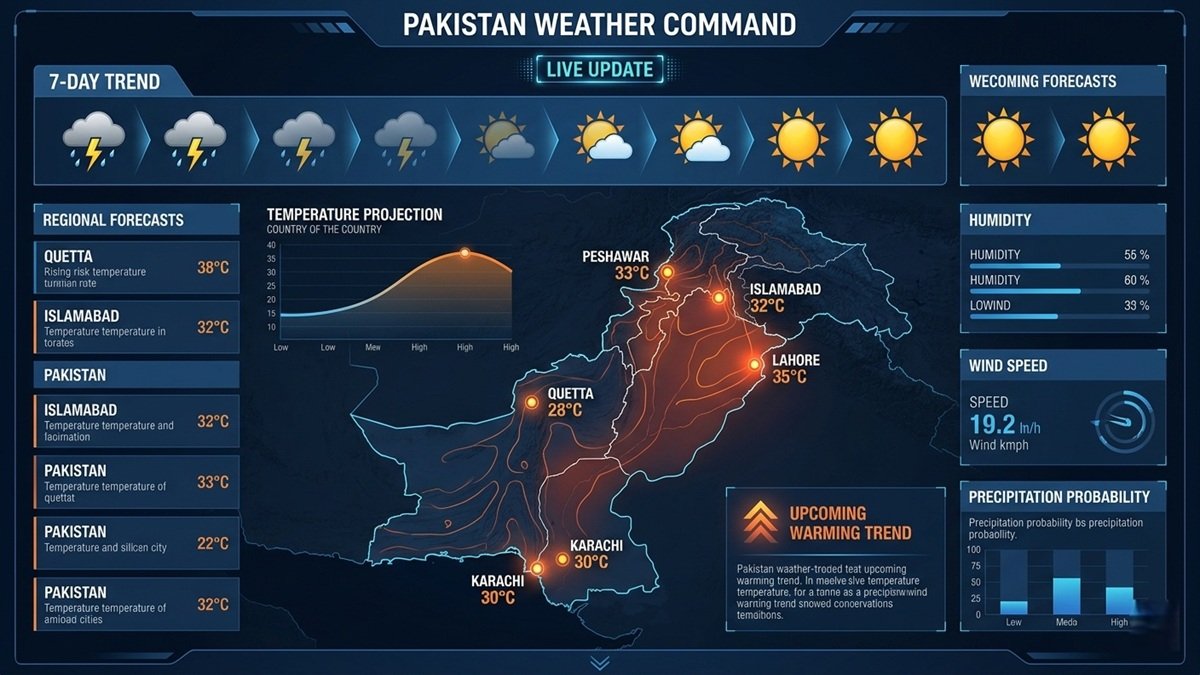
The next two weeks show a clear pattern. Early April brings rain. Then heat takes over. Here is what each major city can expect.
☀️ Karachi Forecast
Highs: 32°C to 36°C | Lows: 21°C to 26°C | Rain: Very low chance
The sea breeze will keep nights comfortable. But daytime heat will slowly increase through the month. Karachi remains the most stable of the major cities.
🌩️ Lahore Forecast
Highs: 35°C to 40°C | Lows: 17°C to 24°C | Rain: Around 5 to 6 days
Short rain spells may bring brief relief. But overall heat will dominate. Lahore heats up faster than any other major city. If you are planning outdoor activities, check the PMD heatwave forecast for Punjab before heading out.
🌤️ Faisalabad Forecast
Highs: 30°C to 35°C | Lows: 14°C to 22°C | Rain: Low
Rising heat with fewer disruptions from rain. A drier pattern compared to Lahore but still warming quickly.
⛅ Islamabad Forecast
Highs: 28°C to 30°C | Lows: 15°C to 17°C | Rain: Early April showers
Rain arrives first in Islamabad. Then conditions clear and temperatures rise steadily through mid-April.
📊 Quick Weather Summary
| City | Avg High | Avg Low | Rain Chance | Trend |
|---|---|---|---|---|
| Karachi | 32–36°C | 21–26°C | Low | Warm, breezy |
| Lahore | 35–40°C | 17–24°C | Medium | Hot, patchy rain |
| Faisalabad | 30–35°C | 14–22°C | Low | Warm, dry |
| Islamabad | 28–30°C | 15–17°C | Medium | Early rain, then clear |
Current Alerts and Risks
⚠️ PMD Alert Period: April 1 to April 4, 2026
A westerly system is affecting Pakistan. Main risks include thunderstorms, hailstorms, strong winds, and flash flooding in some areas. Check PMD Official Portal for the latest.
Westerly systems are not unusual in early April. But this one arrived stronger than expected. It swept across Khyber Pakhtunkhwa first and then moved into Punjab. Several areas reported hail and wind damage.

City-by-City Risk Summary
🏙️ Islamabad and Rawalpindi
- Thunderstorms and hail expected
- Flash flood risk in low-lying areas
🌆 Lahore and Faisalabad
- Storms and strong winds
- Urban flooding possible in congested areas
🌊 Karachi
- Light rain only
- Low overall risk
| City | Alert Type | Risk Level |
|---|---|---|
| Islamabad | Rain and hail | Flooding |
| Lahore | Storms | Urban flooding |
| Faisalabad | Storms | Strong winds |
| Karachi | Light rain | Low |
Residents of Rawalpindi and Lahore are especially urged to avoid travel during peak storm hours. Infrastructure like the Lahore Metro Blue Line may face disruptions during heavy rain.
Historical April Comparison
Past weather records help explain what is happening now.
Karachi vs Lahore
Karachi has a coastal climate. Temperatures stay more stable. Rain is less common. Lahore is inland. It sees higher heat extremes and more rain activity. The contrast between the two cities is significant.
| Metric | Karachi | Lahore |
|---|---|---|
| Record High | 44°C | 46°C |
| Record Low | 12.2°C | 8°C |
| Max Rainfall (April) | 52.8 mm | 141 mm |
Why This Weather Matters
Weather is not just a number on an app. This shift affects millions of people every single day.
- Higher electricity demand due to rising heat
- Travel disruptions during active storm periods
- Flooding in low-lying urban areas
- Wheat harvest may slow due to storm damage
- Stored crops can be damaged by sudden heavy rain
- Farmers need to act fast before temperatures spike
According to NDMA Pakistan, flash floods and urban flooding are among the top seasonal risks in April. Preparation before the storm is always safer than reaction after it.
How to Check Live PMD Updates
- Visit the official website: Go to pmd.gov.pk and check your city forecast.
- Use the radar: Track rain movement in real time on the PMD radar section.
- Follow PMD on social media: PMD regularly posts alerts and updates on Twitter and Facebook.
- Install the PMD Weather App: Available on Android for instant push alerts.
- Check regional centers: The Punjab Meteorological Center gives more detail for central cities.
What Happens Next
The trend is clear. Heat is coming. Rain is leaving. Pakistan is moving into early summer faster than usual.
- Heat will increase across Punjab through mid-April
- Rain will reduce sharply after the first week of April
- Heatwave chances may rise by late April
Expert Insight
Meteorologists at PMD note that April often brings a westerly system followed by rapid heat buildup. This year’s system was strong. And the temperature rise afterward will be fast. This pattern can lead to earlier-than-usual heatwaves, especially in central Punjab. Farmers, outdoor workers, and elderly residents need to prepare now.
Want to understand how Pakistan’s heatwave history compares? The Pakistan heatwave forecast guide has the full breakdown.
Frequently Asked Questions