Can Women in Punjab Become Earners Without Leaving Home? SEHAR Explained
For many women in Punjab, finding paid work faces obstacles that go beyond skills. Travel costs, safety concerns, family responsibilities, and limited job opportunities often create barriers long before employment even begins.
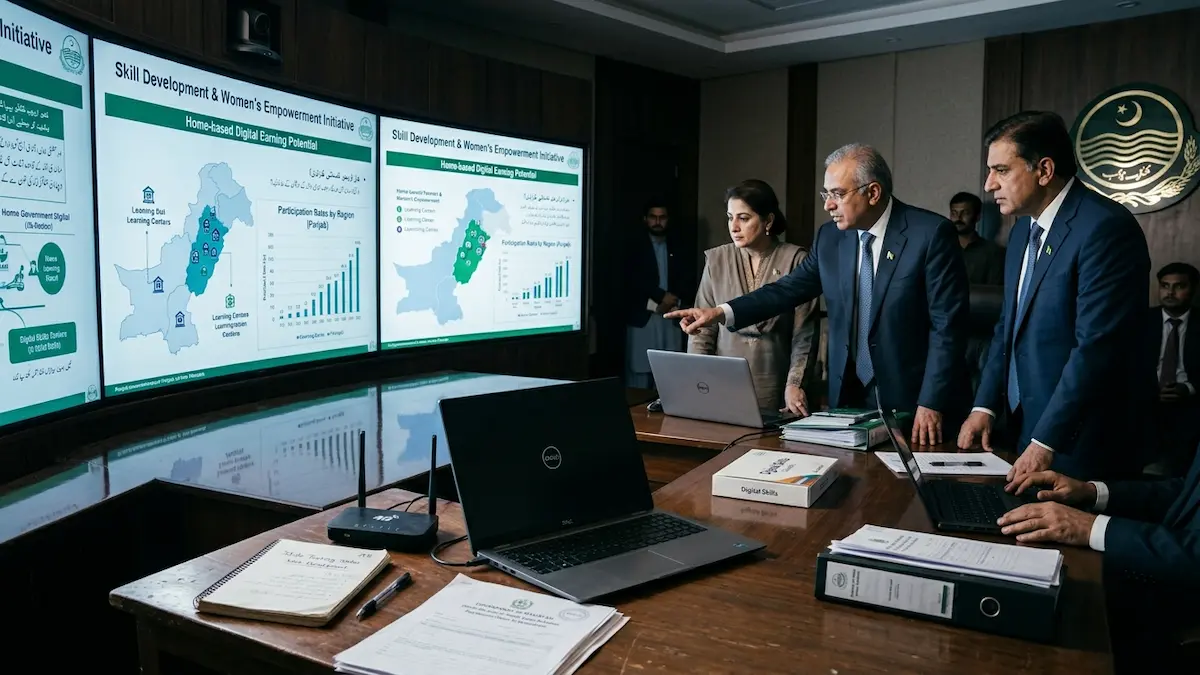
That is why Punjab’s new SEHAR Programme is drawing attention from policymakers and development experts. The initiative combines home based training, digital tools, internet access, and monthly stipends in an effort to help women learn and potentially earn without leaving their homes. The real question, however, is whether the programme can create sustainable income opportunities or simply provide short term training.
With a budget of Rs970 million and a target of 5,365 women across Punjab, the Skill Enhancement through Home Reach Programme represents one of the province’s latest attempts to connect skills development with actual economic participation.
What Is the SEHAR Programme?
The Skill Enhancement through Home Reach Programme, commonly known as SEHAR, is a Punjab government initiative designed to provide training opportunities to women who face barriers to attending traditional training centers.
According to official government announcements, the programme has been allocated Rs970 million and aims to train 5,365 women across Punjab. The training focuses on three broad areas: beautification services, hospitality skills, and digital technology.
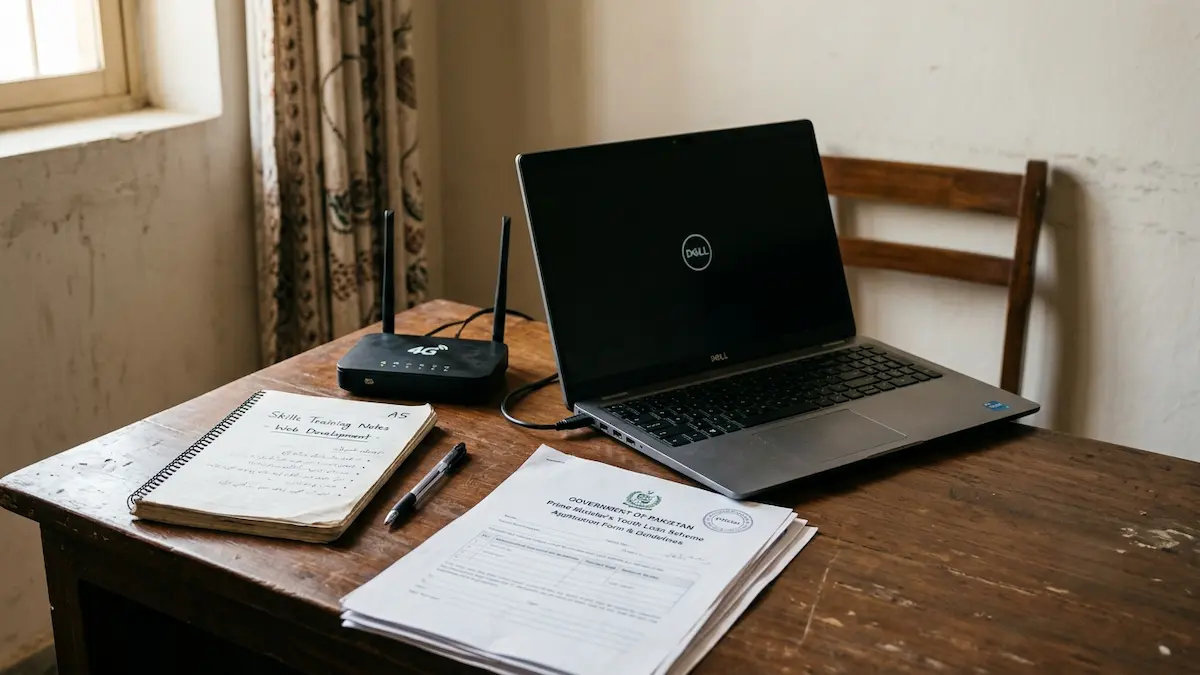
Unlike many traditional training programmes, SEHAR includes support tools that help participants access learning from home. These include laptops, internet devices, data packages, and monthly stipends during training. The programme also prioritizes widows, differently abled women, and minority women, giving SEHAR a broader social objective beyond skills development alone.
Why Punjab Launched SEHAR
Women’s participation in Pakistan’s labor market remains significantly lower than male participation. Many women face challenges linked to mobility, caregiving responsibilities, social norms, and limited access to formal employment opportunities. These barriers are often greater in smaller cities and rural districts.
SEHAR attempts to address one of the biggest obstacles: access. Instead of asking women to travel to training centers regularly, the programme seeks to bring learning opportunities closer to home. This approach reduces transportation costs, time commitments, safety concerns, and family related restrictions that often prevent women from participating in traditional training.
For policymakers, the programme is also testing whether technology can help expand economic participation among women who are traditionally excluded from formal employment.
Who Can Benefit From SEHAR?
The programme is designed for women across Punjab, with special consideration given to vulnerable groups. Priority categories include widows, differently abled women, minority women, women in remote areas, and low income women.
This targeting reflects a growing policy trend toward directing resources to groups that often face multiple barriers to employment. For many women in remote districts, the ability to learn from home may be more valuable than a conventional training center located several kilometers away.
What Support Will Participants Receive?
One of the most discussed aspects of SEHAR is the package of support accompanying the training. Participants will receive instruction in selected vocational and digital fields. The programme includes laptop support, internet devices, data connectivity, and monthly stipends to reduce the financial burden of participating in training.
This combination is important because many past training programmes focused only on courses while leaving participants responsible for technology and connectivity costs. SEHAR attempts to address both learning and access barriers simultaneously.
| Support Element | Details |
|---|---|
| Training Areas | Beautification services, hospitality, digital technology |
| Technology | Laptops and internet devices provided |
| Data Support | Data packages included with internet devices |
| Financial Assistance | Monthly stipends during training period |
| Target Beneficiaries | 5,365 women across Punjab |
Why the Digital Component Matters
The digital training component may become the most closely watched part of the programme. The broader digital economy offers opportunities that can often be performed remotely, including online communication work, digital marketplace participation, content related services, e-commerce support, and basic online business operations.
Importantly, these opportunities are not limited by geography in the same way as traditional employment. For women who cannot easily travel for work, digital skills may provide more flexibility than many conventional vocational trades. This is why Punjab’s digital plan for women earning from home focuses significantly on practical digital readiness alongside traditional vocational training.
Can Home Based Training Lead to Real Income?
This is the question that matters most. Training programmes are frequently measured by enrollment numbers and completion certificates. However, economic impact depends on whether participants actually generate income afterward.
A woman who receives relevant skills, reliable internet access, a functioning laptop, and market opportunities may have a better chance of earning than someone who only receives classroom instruction. However, income generation usually requires more than training alone.
Many previous programmes in Pakistan have shown that participants often need ongoing mentoring, market connections, access to employers, business support, and financial literacy. Without these elements, the gap between learning and earning can remain significant. Success will depend less on enrollment figures and more on measurable economic outcomes after training is completed.
How SEHAR Compares With Previous Women Empowerment Programmes
Pakistan has implemented various women focused initiatives over the years. Some programmes focused on income support, others emphasized vocational training, and several focused on social welfare and inclusion. SEHAR differs because it combines multiple components into one package.
The digital element gives SEHAR a distinctive position compared with many earlier programmes that concentrated on traditional vocational skills alone. Like other digital skills programs for women in Pakistan, SEHAR recognizes that technology access is crucial for modern economic participation.
| Feature | Traditional Programmes | SEHAR |
|---|---|---|
| Skills Training | Yes | Yes |
| Home Based Learning | Limited | Core Feature |
| Laptop Support | Usually No | Yes |
| Internet Support | Rare | Yes |
| Monthly Stipends | Sometimes | Yes |
| Inclusion Targeting | Varies | Explicit Priority Groups |
| Digital Focus | Often Limited | Significant Component |
Challenges That Could Affect Results
Several factors may influence whether SEHAR achieves long term impact. Market access remains critical. Training alone may not create earnings if participants cannot connect with customers or employers. Some women may be using computers and online platforms for the first time, requiring additional digital confidence building.
Connectivity gaps persist in some districts where internet quality remains uneven. Follow up support is also crucial. Many development programmes struggle after training ends. The post training phase often determines whether participants become economically active or remain dependent on support.
Understanding these challenges helps explain why observers are likely to watch not only enrollment numbers but also employment and income outcomes as the programme progresses.
SEHAR and Pakistan’s Digital Gender Gap
Pakistan continues to face a digital gender divide. Women in many low and middle income countries remain less likely than men to access mobile internet and digital services. This gap affects access to education, financial services, and online economic opportunities.
SEHAR directly addresses part of this challenge by providing technology access alongside training. If implemented effectively, the programme could help more women develop practical digital skills while increasing confidence in using online tools. That broader impact may become as important as the vocational training itself.
According to GSMA reports on mobile internet access in low and middle income countries, closing the digital gender gap is essential for broader economic inclusion.
Remote Work and Earning Opportunities
The connection between digital skills and earning potential is strengthened when women understand the full range of opportunities available. Remote work platforms are changing how Pakistanis earn and SEHAR participants will be entering an expanding market for home based work.
Freelancing, content creation, virtual assistance, online tutoring, and digital marketing are all roles that can be performed from home with the right skills and internet access. This reality makes SEHAR’s combination of skills training and technology access particularly relevant to current economic conditions.
What Happens Next?
The next stage will determine whether SEHAR becomes a model for future women empowerment programmes. Several indicators are likely to receive attention including the number of women completing training, digital skills adoption rates, employment outcomes, home based business creation, freelancing participation, and income growth among graduates.
The programme’s long term success may depend less on enrollment figures and more on measurable economic outcomes. For many families, the key question will remain simple: did training result in sustainable earnings?
Frequently Asked Questions
What is the Punjab SEHAR Programme?
SEHAR stands for Skill Enhancement through Home Reach Programme. It is a Punjab government initiative that aims to train 5,365 women through home accessible learning and support services in beautification, hospitality, and digital technology.
How much funding has been allocated to SEHAR?
The programme has been allocated Rs970 million according to government announcements to support training and provide laptops, internet devices, and monthly stipends.
Who gets priority under SEHAR?
Widows, differently abled women, and minority women are among the priority groups. Women in remote areas and low income women are also expected beneficiaries of the programme.
What training fields are included in SEHAR?
The programme covers three main areas: beautification services, hospitality skills, and digital technology training designed for home based learning.
Will participants receive laptops and internet support?
Yes. Official programme information states that laptops, internet devices, and data packages are part of the initiative provided to all participants during training.
Does SEHAR provide monthly financial assistance?
Participants are expected to receive monthly stipends during training to reduce the financial burden of participating in the skills development programme.
Why is the digital training component important?
Digital skills support remote work, online business activities, and broader participation in the digital economy. These opportunities are not limited by geography like traditional employment, offering more flexibility for women who cannot easily travel for work.
How will success be measured?
The most important indicators will be employment outcomes, income generation, business creation, and long term economic participation after training is completed, not just enrollment numbers.