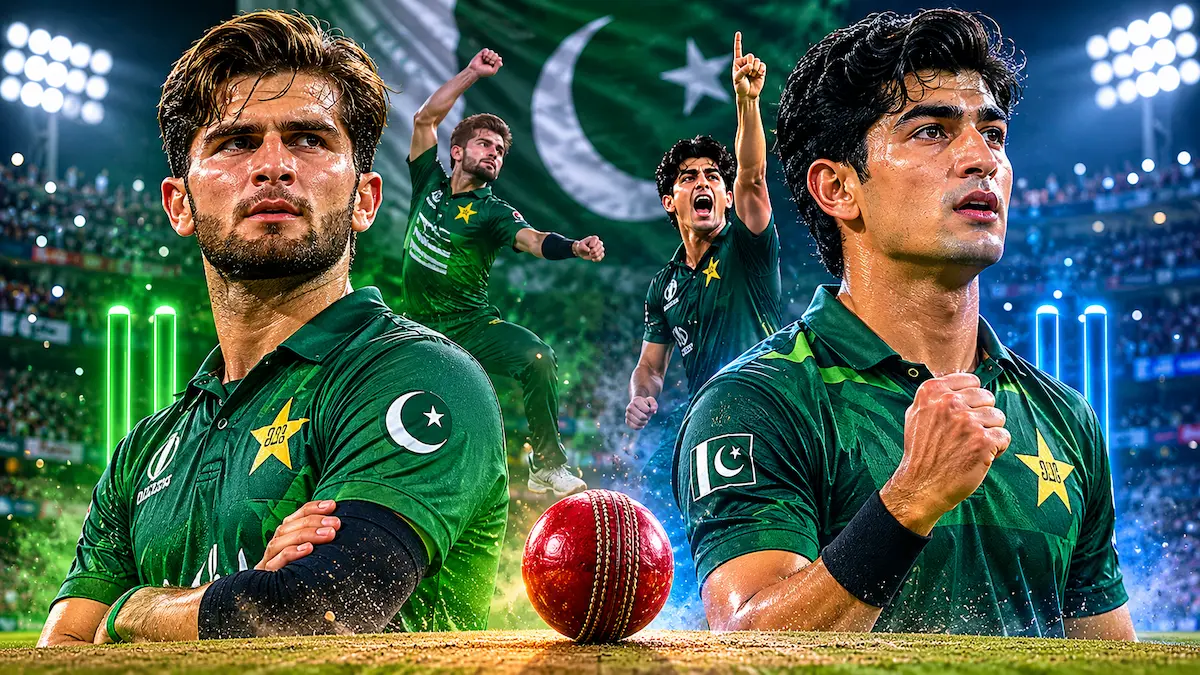
Shaheen Afridi vs Naseem Shah: Pakistan’s Pace Attack in 2026
Pakistan has a long history of world-class fast bowlers. From Wasim Akram to Waqar Younis, pace bowling is part of the national cricket identity. Today, that legacy rests largely on two shoulders: Shaheen Shah Afridi and Naseem Shah.
Both are gifted. Both are young. But their 2026 standings are quite different. Shaheen remains the established strike bowler. Naseem is still rebuilding after a string of injury problems.
Quick Comparison: Where Each Bowler Stands
Before going deeper, this table shows the current picture at a glance.
| Category | Shaheen Afridi | Naseem Shah |
|---|---|---|
| Current Role | Lead strike bowler | Supporting pace option |
| Fitness Record | More stable | Frequent interruptions |
| Match-Winning Spells | Multiple | Limited in recent years |
| Test Consistency | Proven | Still developing |
| Selection Position | Secure | Competitive |
Naseem remains one of Pakistan’s most talented fast bowlers. But Shaheen currently leads in experience, impact, and availability.
Why Shaheen Afridi Remains Pakistan’s Lead Pacer
Greater Consistency Over Time
Consistency is what separates good bowlers from elite ones. Over the past few years, Shaheen has delivered important breakthroughs against top teams in all formats. Even during difficult patches, his role in the attack has stayed clear and central.
His full international record is available through ESPNcricinfo’s statistics database.
Proven Big-Match Impact
Pakistan turns to Shaheen when pressure is highest. In ICC tournaments, Test series, and bilateral matches, he has repeatedly taken early wickets that change the direction of a game. That ability to deliver in key moments is hard to replace.
Understanding this difference is also important for discussions about Pakistan’s next coaching direction and how the management plans its bowling combinations.
Leadership Value in the Attack
Pakistan’s team leadership has changed several times in recent years. Through all of it, Shaheen has remained one of the senior figures in the pace group. Team management builds bowling plans around him. That kind of trust takes years to earn.

The Five Challenges Holding Naseem Shah Back
Naseem Shah’s talent is not the issue. The problems are about fitness, continuity, and opportunity.
1. Injuries Have Broken His Rhythm
Back problems and shoulder issues have limited Naseem’s playing time during crucial development years. Fast bowlers need long runs of matches to build rhythm. Rehabilitation periods break that rhythm and can affect performance even after a player returns.
2. Limited Test Continuity
Elite pace bowlers build success through long stretches of consecutive matches. Naseem has rarely had that. Every absence means another restart, and maintaining momentum becomes harder each time.
3. Shortage of Recent Breakthrough Spells
Five-wicket hauls and match-defining spells are a key benchmark for top fast bowlers. Naseem has not produced enough of those in recent Test cricket. It is not just about statistics. It is about the pattern of impact.
This trend is also connected to broader issues covered in our analysis of Pakistan’s sliding ICC Test rankings, where bowling depth has been a recurring concern.
4. Pakistan’s Home Pitch Conditions
Several recent Tests in Pakistan were played on surfaces that offered limited help for pace. Spin-friendly pitches reduced wicket-taking opportunities for fast bowlers across the board. This context matters when reading Naseem’s numbers.
5. Increased Competition for Places
Pakistan’s pace-bowling depth has grown. Selectors now have multiple options for limited spots, especially in teams using spin-heavy combinations. Every opportunity becomes more important when the competition is tighter.
Pakistan’s Changing Test Strategy
Pakistan’s tactical approach has shifted noticeably in recent years. Selectors leaned on spin-friendly combinations in home Tests, which produced results in certain conditions but also reduced opportunities for fast bowlers to build rhythm and form.
This shift makes direct comparisons between modern pace records and those from earlier eras less straightforward. It is an important piece of context when evaluating any Pakistani fast bowler’s recent numbers.
What Happens Next?
Several questions will shape the pace debate over the next 12 months.
Can Naseem Shah stay injury-free for a full season? Will Pakistan prepare more balanced Test pitches that give pace bowlers a genuine chance? Can Shaheen Afridi manage his workload across all three formats? Will selectors continue favoring spin-heavy combinations at home?
The answers will determine how this story develops. The Pakistan Cricket Board continues to name both bowlers in its long-term plans.
Final Verdict: Current Standings
| Key Area | Current Leader |
|---|---|
| Consistency | Shaheen Afridi |
| Match Impact | Shaheen Afridi |
| Availability | Shaheen Afridi |
| Long-Term Potential | Both |
| Current Test Standing | Shaheen Afridi |
As of 2026, Shaheen Afridi remains Pakistan’s lead fast bowler. His consistency, availability, and proven ability to influence big matches place him clearly ahead. Naseem Shah still has enormous potential, but injuries and limited continuity have slowed his progress. A healthy run of cricket could change things quickly.
Frequently Asked Questions
Who is Pakistan’s leading fast bowler in 2026?
Based on recent performances, consistency, and selection trends, Shaheen Afridi remains Pakistan’s leading pace bowler in 2026.
Why has Naseem Shah struggled in Test cricket?
Injuries, limited playing continuity, difficult home bowling conditions, and increased competition among Pakistan’s pace options have all contributed.
Is Naseem Shah still part of Pakistan’s future plans?
Yes. Official PCB communications continue to identify him as an important member of Pakistan’s pace-bowling group going forward.
Can Naseem Shah overtake Shaheen Afridi?
Yes. Sustained fitness and consistent match-winning performances could significantly change the current bowling hierarchy between the two.
Why are pitch conditions important in this debate?
Pitch conditions directly influence how many wicket-taking opportunities fast bowlers get. Several recent home Tests were played on spin-friendly surfaces, limiting the impact pace bowlers could have.
How does availability affect Pakistan’s fast-bowling selection?
Modern international cricket rewards availability almost as much as raw ability. With Pakistan’s packed schedule across formats, the bowler who stays fit and plays consistently holds a major advantage over those missing time through injury.