

Sindh E-Transfer System Explained
The e transfer system Sindh explains how teacher transfers now work under a digital policy introduced by the Sindh government. This article covers how the e transfer education department Sindh manages online transfers, how the e transfer portal Sindh operates, and how the system affects teachers across Sindh in 2025.
Under the new sindh e transfer model, applications move online, decisions rely on verified service data, and transfer results are published publicly. The guide also explains e transfer Sindh education rules, the step-by-step process, and why the e transfer school education department system matters for transparency and fairness.
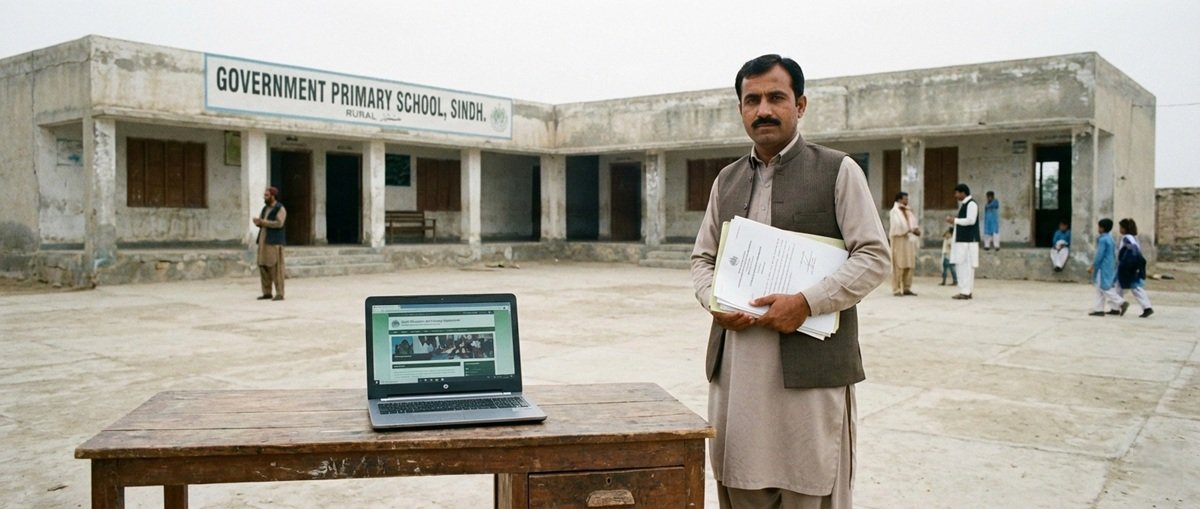
How Sindh’s E-Transfer System Is Changing Teacher Transfers
The e transfer system Sindh is a digital reform introduced by the Sindh School Education & Literacy Department to change how government school teachers are transferred. The goal is simple: reduce delays, cut favoritism, and improve fairness.
For years, teacher transfers depended on manual files and office visits. That process often caused delays and complaints. According to official education department statements, the digital shift aims to make transfers transparent and data-driven.
This change matters because teacher placement directly affects school performance, especially in rural Sindh. The system represents a significant step toward modernizing educational administration across Pakistan’s provinces, similar to other education reforms in Sindh.
Inside Sindh’s E-Transfer Portal for School Teachers
The e transfer portal Sindh is an online platform where eligible teachers apply for transfers during officially announced windows.
The system automatically pulls verified service data. It also shows available vacancies. Teachers no longer need handwritten applications or repeated visits to offices.
Official portal: https://www.sindheducation.gov.pk

What Sindh’s E-Transfer System Means for School Teachers
This reform shifts control from individuals to rules.
Teachers can now:
- Apply online from any district
- Track applications digitally
- See merit-based results publicly
Education officials say this has reduced disputes and improved trust. The system aligns with broader digital governance initiatives, including services like NADRA’s home-based CNIC services and Sindh CRMS mobile app.
Teacher Transfers in Sindh Go Digital — Here’s How
Step-by-Step Guide to Apply on the E-Transfer Portal
Step 1: Open the Official Website
Visit the Sindh Education Department website when the transfer window is announced.
Step 2: Login Using Official Credentials
Use employee ID and registered details.
Step 3: Review Service Record
Check posting history and duration. Errors must be reported early.
Step 4: View Available Vacancies
Vacancies appear district-wise and school-wise.
Step 5: Select Preferences
Choose multiple locations to improve chances.
Step 6: Submit Application
Once submitted, data locks automatically.
Sindh’s E-Transfer Portal: A Step-by-Step Guide to Status Checking
After submission, teachers can track progress online.
Status options include:
- Under review
- Approved
- Not approved
Final transfer lists are published on the official education portal.
How Online Transfers Are Reshaping Sindh’s Schools
Digital transfers help the department see staffing gaps clearly.
Urban schools often show surplus staff. Rural schools show shortages. This data now guides planning and future recruitment.
Policy analysts say this shift improves long-term education balance. According to reports from the Dawn Education section, such reforms are crucial for equitable education distribution.
The System Behind Teacher Transfers in Sindh Education
How Digital Merit Is Calculated
The e transfer education department Sindh uses automated scoring.
Merit factors include:
- Length of service
- Time at current school
- Hardship indicators
Manual changes are restricted. Audit logs record activity.
Explained: Sindh Education’s Online Teacher Transfer System
Eligibility Rules Teachers Must Know
Not every teacher qualifies immediately.
Common eligibility rules:
- Minimum stay at current posting
- Availability of vacancies
- Special consideration for hardship cases
Important: Political recommendations are not part of the official system.
Sindh’s E-Transfer Policy and Its Impact on Schools
According to government briefings:
- Thousands apply during each transfer cycle
- Demand is highest in urban districts
- Rural postings remain a priority
Officials confirm that transfer data now supports broader education planning, complementing initiatives like the recent winter vacation extensions in Punjab.
From Manual to Digital: Teacher Transfers in Sindh
The old system relied on files and personal follow-ups.
The new system relies on data.
This shift has reduced paperwork and improved accountability. Complaints have declined, according to departmental observations.
How Sindh Uses Data to Manage Teacher Transfers
The sindh e transfer platform helps identify:
- Overstaffed schools
- Underserved areas
- Future hiring needs
This insight was not possible under the manual system. The data-driven approach mirrors best practices documented by the World Bank’s education initiatives.
Common Problems and Official Guidance
Issues Teachers Still Face
- Incorrect service records
- Portal slowdown during peak days
- Delay in grievance handling
Official Advice
Teachers are advised to:
- Verify data early
- Contact District Education Offices for corrections
- Follow official timelines strictly
Why Sindh Teachers Are Paying Attention to the E-Transfer System
For many teachers, this is the first time transfers follow visible rules.
Results are published online. Criteria are shared publicly. This transparency builds trust, even when outcomes are not favorable.
What Changed After Sindh Introduced E-Transfer for Teachers
Key changes include:
- Fewer office visits
- Clear application timelines
- Public merit lists
These changes align with broader e-governance reforms in Sindh, including the digital management of public events like Basant.
Key Facts at a Glance
| Feature | Details |
|---|---|
| System | E-Transfer System Sindh |
| Department | School Education & Literacy Department |
| Mode | Online |
| Merit Basis | Service data & policy |
| Coverage | Province-wide |
| Portal | sindheducation.gov.pk |
Frequently Asked Questions
What is the e transfer system Sindh?
It is an online system for teacher transfers managed by the Sindh Education Department. The system allows eligible government school teachers to apply for transfers digitally during officially announced windows.
Who can apply through the portal?
Eligible government school teachers can apply through the portal. Teachers must meet minimum eligibility criteria including minimum stay at current posting and availability of vacancies.
Is manual application allowed?
Official policy prioritizes online submission through the e-transfer portal. The digital system has largely replaced the manual application process.
Where are results announced?
Results are announced on the Sindh Education Department website at sindheducation.gov.pk. Final transfer lists are published publicly on the official portal.
How is digital merit calculated in the system?
The system uses automated scoring based on length of service, time at current school, and hardship indicators. Manual changes are restricted and audit logs record all activity.
What should I do if my service record shows errors?
Teachers should verify their data early in the application process. Contact District Education Offices immediately for corrections before the application window closes.
Expert Analysis: Why This Reform Matters
The e transfer education department Sindh reform limits discretion and improves accountability.
Digital systems are not perfect. Still, they reduce misuse and support fairer outcomes.
Over time, transparent transfers can stabilize staffing in remote schools. That directly affects learning quality.
This reform represents progress toward trust-based education governance in Sindh.

Disclaimer: This article is for informational purposes only. Information is based on official sources and public statements from the Sindh School Education & Literacy Department. Policies and procedures may change. Teachers should always verify current requirements and guidelines from official channels. Pakistan News Desk is not responsible for any decisions made based on this information.