
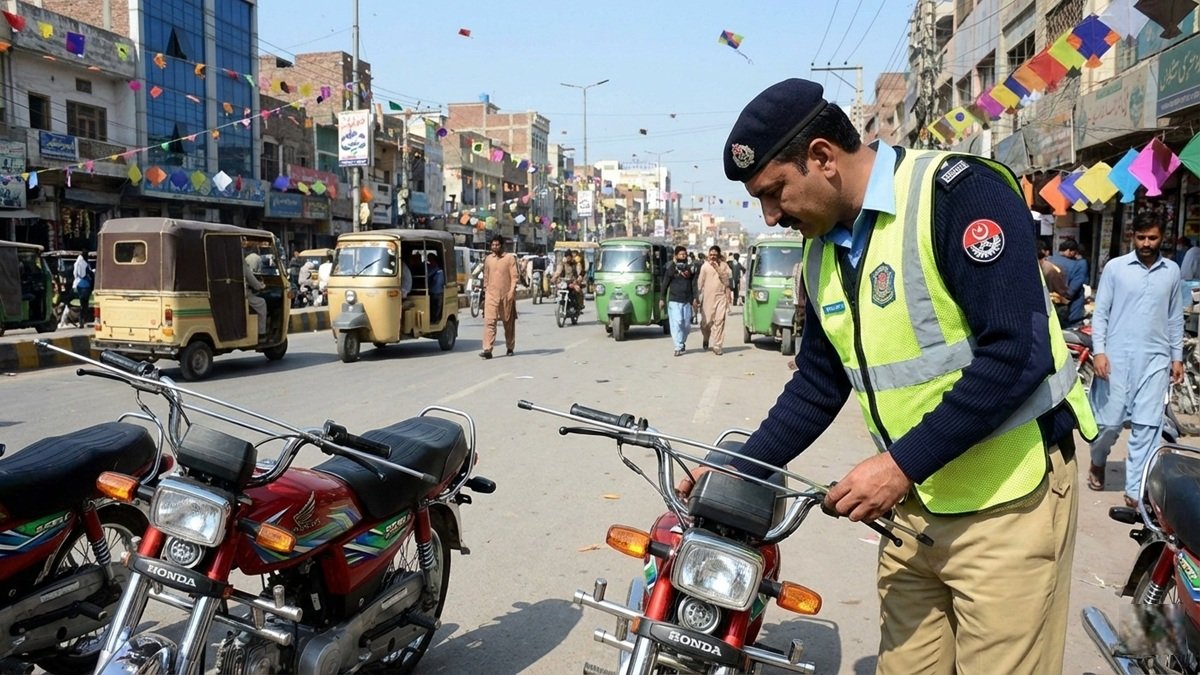
Bike Safety Rod Mandatory For Basant 2026: What Riders Need To Know
Basant 2026 is approaching, and for motorcycle riders in Punjab, clear instructions from authorities: install a motorcycle safety rod before riding during the Basant season. Authorities have confirmed that a bike safety rod for kitealso called a motorcycle safety antenna will be mandatory in high-risk areas.
This requirement exists for one clear reason. Every Basant, sharp kite strings cause serious injuries, mostly to motorcyclists. A simple safety rod for bike can stop the string before it reaches the rider’s neck or face. Traffic officials say this single step reduces risk instantly.

What riders should do now:
- Install a sturdy safety rod before mid-February
- Check that the rod stands above head level
- Avoid weak or decorative rods that fail inspections
According to seasonal safety advisories shared through the Punjab Police and City Traffic Police platforms, enforcement focuses on prevention first, penalties later. Riders who act early stay safe, avoid fines, and ride with peace of mind during Basant 2026.
Table of Contents
- Why Basant Poses a Road Safety Risk
- What Is a Motorcycle Safety Rod?
- Basant Date 2026: Why Timing Matters
- Government Position and Legal Context
- How the Safety Rod Protects Riders
- Who Must Install It—and Where
- Step-by-Step: How to Install a Bike Safety Rod
- Cost, Availability, and Market Reality
- Common Myths vs Facts
- What Happens If You Ignore the Rule
- Expert Views: Doctors and Traffic Officials
- What Happens Next?
- Quick Summary Table
- Frequently Asked Questions
Why Basant Poses a Road Safety Risk
Every year, Basant brings color and celebration. It also brings risk. Kite strings coated with glass or metal have caused severe injuries on Punjab’s roads. Hospitals in Lahore and other cities have repeatedly reported emergency cases during Basant weeks.
Motorcyclists face the highest danger. A thin dor can cut skin instantly at speed. Children and pedestrians also suffer injuries near busy roads. Because of these risks, enforcement agencies focus on preventive tools rather than reaction.
The motorcycle safety rod acts as a physical barrier. It intercepts the string before it reaches the rider’s neck or face. Authorities consider this a low-cost, high-impact intervention during the Basant season. For more information on seasonal safety initiatives, visit the Basant Lahore 2026 safety guide.
What Is a Motorcycle Safety Rod?
A motorcycle safety rod is a vertical metal rod installed at the front of a bike. Some riders also call it a bike safety antenna. The rod stands higher than the rider’s head level.
Its purpose is simple. When a kite string crosses the road, the rod catches or lifts it upward. That action prevents direct contact with the rider.
Key features usually required:
- Strong metal construction
- Proper height above handle level
- Secure mounting to the bike frame
- No sharp edges
Traffic wardens often check these basics during inspections.
Basant Date 2026: Why Timing Matters
While Basant celebrations vary by city, the season usually falls around mid-February, commonly near 13–14 February. Enforcement typically starts days earlier.

In previous years, district administrations announced special traffic plans one to two weeks before Basant. These plans included:
- Temporary checkpoints
- Safety rod checks
- Warnings and fines
Riders should not wait for the last day. Installing a bike safety rod for kite early avoids stress and penalties.
Government Position and Legal Context
Punjab’s approach to Basant has evolved over time, but one element has remained consistent: public safety takes priority over celebration. Kite flying has been restricted or regulated due to repeated injuries and fatalities linked to sharp strings.
During previous Basant seasons, district administrations issued traffic management plans under the supervision of Punjab Police and City Traffic Police. These plans clearly highlighted protective requirements for two-wheelers. According to safety guidelines and press briefings referenced on the Punjab Police official website and City Traffic Police portals, motorcyclists were advised — and later required — to install safety rods in high-risk areas.
Traffic officials explain that no separate seasonal law is needed. Enforcement takes place under existing provisions of traffic and public safety regulations. Basant simply becomes a period of heightened checking due to predictable risk patterns.
Provincial information updates published on the Punjab Government Portal have also emphasized preventive enforcement during festivals, particularly where past injury data shows recurring harm. This legal framing allows authorities to act quickly without issuing new legislation every year.
How the Safety Rod Protects Riders
The logic behind the motorcycle safety antenna is practical.
- It creates a first contact point above the rider.
- It reduces the chance of neck or facial cuts.
- It offers protection at low and moderate speeds.
Doctors have publicly supported preventive measures in media interviews over the years. Emergency physicians often note that most kite-string injuries are avoidable with barriers and awareness. Similar safety-focused initiatives can be found in programs like the Punjab Electric Bike Scheme.
Who Must Install It—and Where
The rule mainly targets:
- Motorcycles
- Scooters
- Delivery bikes
Cars are less affected due to enclosed cabins. However, two-wheelers remain exposed.
Urban areas with dense kite activity face stricter checks. Lahore, Faisalabad, Gujranwala, and Rawalpindi usually see higher enforcement due to traffic volume.
Step-by-Step: How to Install a Bike Safety Rod
Installing a safety rod for bike is straightforward.
- Buy a compliant rod from a trusted vendor.
- Check height. It should rise above head level.
- Fix it securely to the front frame.
- Ensure no loose bolts.
- Test stability with light pressure.
A local mechanic can install it in minutes. Riders should avoid DIY setups that bend or wobble.
Cost, Availability, and Market Reality
Prices vary by city and material. In recent seasons, simple rods remained affordable for most riders. Local markets usually stock them weeks before Basant.
Street vendors often sell cheaper versions. However, traffic police may reject flimsy rods. Spending slightly more on a sturdy motorcycle safety rod can save money later.
Common Myths vs Facts
Myth: Safety rods damage the bike.
Fact: Proper installation causes no harm.
Myth: Only high-speed riders need it.
Fact: Most injuries happen at normal city speeds.
Myth: Helmets alone are enough.
Fact: Helmets do not protect the neck from strings.
What Happens If You Ignore the Rule
Enforcement actions during Basant seasons have included:
- On-the-spot fines
- Warnings
- Temporary bike seizure in repeat cases
Officials stress compliance over punishment. Still, ignoring the rule risks both injury and legal trouble.
Expert Views: Doctors and Traffic Officials
Emergency room doctors in major Punjab hospitals have repeatedly warned about Basant-related injuries. In seasonal media briefings, many describe kite-string wounds as sudden, deep, and difficult to manage — especially when the neck or face is involved.
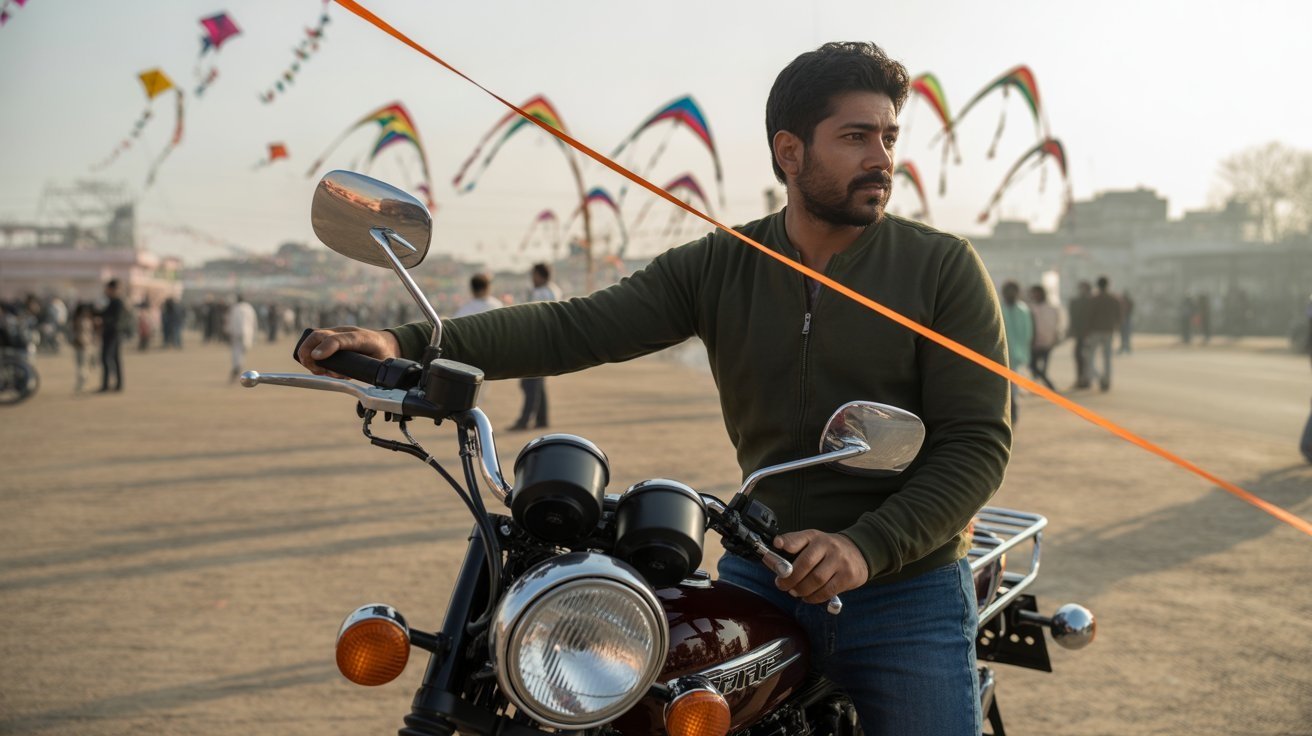
Traffic officials echo the same concern from a policy angle. In public awareness messages shared through City Traffic Police Lahore and other urban traffic channels, officers have stated that simple barriers like the motorcycle safety rod significantly reduce injury risk without disrupting mobility.
According to traffic safety guidance referenced on official police portals, enforcement is designed to change behavior, not generate fines. Officers are instructed to prioritize awareness first, followed by penalties only when riders repeatedly ignore safety directions.
This alignment between medical advice and traffic policy strengthens the case for mandatory compliance during Basant 2026. For other public welfare initiatives, see the Hunarmand Punjab Scholarship Program and Laptop Scheme Pakistan guide.
What Happens Next?
As Basant 2026 nears, expect:
- Public awareness messages
- Increased roadside checks
- Market demand for safety rods
Riders who act early avoid last-minute rush and enforcement pressure. Digital platforms like the eBiz Punjab Portal and Parwaz Card Registration Portal demonstrate how government services are evolving to support citizens.
Quick Summary Table
| Item | Detail |
|---|---|
| Focus keyword | motorcycle safety rod |
| Season | Basant 2026 |
| Risk | Kite string injuries |
| Solution | Bike safety rod for kite |
| Enforcement | Traffic police checks |
Frequently Asked Questions
Is a motorcycle safety rod mandatory for Basant 2026?
Authorities have indicated mandatory enforcement during the Basant season, especially in urban areas. The safety rod protects riders from sharp kite strings during celebrations.
What is the basant date 2026?
Basant traditionally falls in mid-February, commonly around 13–14 February, with enforcement starting earlier to ensure rider safety.
Can I use a bike safety antenna instead of a rod?
Yes. A motorcycle safety antenna that meets height and strength requirements usually qualifies as a compliant safety device.
How much does a safety rod for bike cost?
Prices vary by market and material. Sturdy options remain affordable for most riders, typically available at local markets before Basant season.
Will traffic police fine me without a rod?
During enforcement periods, riders without protection risk fines or warnings. Authorities prioritize compliance for safety rather than penalties.
Where can I buy a motorcycle safety rod?
Safety rods are available at local motorcycle accessory shops, mechanics, and markets throughout Punjab cities, especially in the weeks leading up to Basant.
Final Analysis: Why This Rule Deserves Attention
The Basant safety rod rule reflects a broader shift toward preventive road safety. It does not ban celebration. Instead, it reduces avoidable harm. For riders, compliance costs little but offers real protection.
From a public-interest view, this step matters. It lowers emergency cases and keeps roads safer during a festive yet risky season. Riders who understand the logic behind the motorcycle safety rod are more likely to comply—not out of fear, but common sense.
Government initiatives like the Apni Chhat Apna Ghar Scheme demonstrate a similar preventive approach to public welfare, prioritizing citizen safety and wellbeing through proactive measures.

Disclaimer: This article provides information based on publicly available government advisories and traffic safety guidelines. Rules and enforcement procedures may vary by district and change over time. Readers should verify current requirements with local traffic authorities before Basant 2026. The information presented here is for educational and awareness purposes only and does not constitute legal advice. Pakistan News Desk is not responsible for any actions taken based on this content.