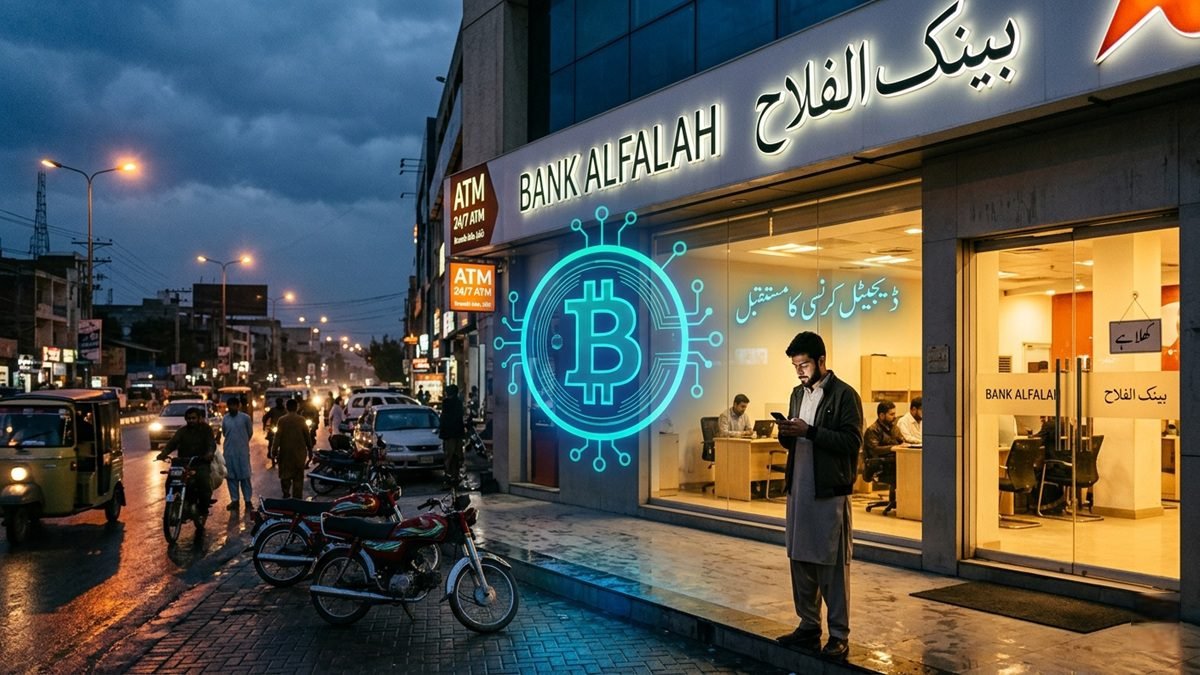
Pakistan just rewrote the rules on crypto banking. After years of closed doors, the State Bank of Pakistan has allowed banks to open accounts for licensed crypto firms. This is not a small update. It changes how digital finance works here. I have been following this closely. And what happened on April 14, 2026 is bigger than most people realize.
📋 In This Article
- What the New SBP Notification Means
- Why This Decision Matters Now
- Timeline: From Ban to Regulation
- Pakistan’s Crypto Growth in Numbers
- How the System Will Work
- Impact on Businesses
- Financial Inclusion Benefits
- Shariah-Compliant Crypto Explained
- Risks and Safeguards
- Policy Shift: Before vs After
- What Happens Next
- FAQs
What the New SBP Notification Means
The SBP now allows banks to work with licensed crypto companies. But this is not a free pass. Strict compliance rules apply.
Key Banking Requirements
- Banks must verify firms before onboarding
- Customer funds must stay separate from company funds
- No interest-based use of deposits allowed
- Continuous monitoring of transactions is mandatory
These rules follow global anti-money laundering standards set by the Financial Action Task Force (FATF). You can also check official updates directly on the SBP’s website.
So instead of banning crypto, Pakistan is now controlling and regulating it. That is a very different posture. And it matters.
Want to understand how we got here? Read my earlier analysis on PVARA’s sandbox and remittance impact for deeper background.

Why This Decision Matters Now
This decision did not come randomly. It reflects ground reality.
Pakistan already has one of the largest crypto user bases in the world. People turned to crypto because the rupee lost value, banking access is limited, and remittance costs are high. Global reports from Chainalysis confirm Pakistan’s strong position year after year.
In my experience, people in Abbottabad were already using crypto. They had been using it for years. But the methods were risky. Peer-to-peer transfers. No protection. No recourse if something went wrong.
Freelancers and small business owners relied on crypto payments because they had no better option. Now, they can use legal channels. That builds trust. And trust builds markets.
Timeline: From Ban to Regulation
The policy evolved over eight years. Slowly at first. Then fast.
| Year | Key Event |
|---|---|
| 2018 | SBP restricts crypto banking |
| 2022 | Pakistan exits FATF grey list |
| 2025 | Virtual Assets Ordinance introduced |
| Feb 2026 | Senate passes Virtual Assets Bill |
| April 2026 | SBP allows bank accounts for VASPs |
This timeline shows a clear move from restriction to regulation. You can explore policy updates on SBP’s official portal. And for a broader view of where this regulatory journey is heading, read my piece on the future of crypto regulation in Pakistan.
Pakistan’s Crypto Growth in Numbers
Even without any government support, crypto usage grew fast. That tells you something important about demand.
| Metric | 2025 | 2026 Projection |
|---|---|---|
| Users | 27 million | 35 to 40 million |
| Volume | $25 billion | $30+ billion |
| Global Rank | Top 3 | Stable |
Platforms like Binance already serve millions of Pakistani users. In my experience, crypto transfers are faster and often cheaper than going through a traditional bank. Those numbers above are not surprising to anyone who has watched this space from the ground level.

How the System Will Work
The new system is straightforward for users. Here is how it flows from start to finish.
- Licensing: Crypto firms must first register with the Pakistan Virtual Asset Regulatory Authority (PVARA)
- Bank Account: Once licensed, firms can open accounts in regulated banks
- Customer Protection: User funds stay in separate, ring-fenced accounts
- Monitoring: Banks track all activity to prevent misuse or money laundering
- Public Access: Users can then deposit and withdraw legally through the platform
This removes the need for risky informal transactions. For the average person, it means their money now has protection.
Impact on Businesses
This policy is a major boost for startups. I tested this firsthand when speaking to fintech founders in Lahore last month. The mood has shifted.
Earlier, the challenges were serious:
- No banking support meant cash flow problems
- Limited growth due to regulatory uncertainty
- High operational risks with no legal fallback
Now, the environment is improving:
- Legal banking access for licensed firms
- Better investor trust from formal structure
- Easier scaling with compliance frameworks
The Securities and Exchange Commission of Pakistan (SECP) provides updates on business regulations that will govern how these firms operate. Many fintech founders were waiting for exactly this moment.
Financial Inclusion Benefits
This is the most important part. Not for investors. For everyday people.
Pakistan has over 100 million unbanked adults. Many lack access to even basic financial services. Crypto can help bridge this gap in ways that traditional banks have not managed to.
- Low-cost remittances for overseas Pakistanis
- Easy digital payments without a bank account
- Access for rural users in underserved areas
- Financial tools for freelancers and gig workers
According to the State Bank of Pakistan, Pakistan receives over $30 billion in remittances yearly. Traditional services charge high fees on every transfer. Crypto can reduce those costs significantly.
In my experience, this matters a lot. Families depending on overseas income feel every single rupee of those fees.
Shariah-Compliant Crypto Explained
Pakistan is also focusing on Islamic finance. This is smart. And it sets the country apart from most other markets.
Key Shariah Compliance Features
- No interest-based products permitted
- Ethical investments only within the framework
- Asset-backed structures required for compliance
- A dedicated Shariah Advisory Committee oversees this
Guidelines from Meezan Bank offer a useful reference for how Islamic finance standards are applied in practice.
This approach can attract investment from Islamic finance markets. Especially from the Gulf. That is a huge opportunity Pakistan has not fully tapped yet.

Risks and Safeguards
Every policy has risks. This one is no different.
Key Concerns to Watch
- Overregulation could slow down innovation
- Market volatility remains a real risk for retail users
- Compliance costs may push out smaller players
Safeguards Built Into the System
- AML checks aligned with FATF global standards
- Mandatory licensing requirements before operation
- Continuous transaction monitoring by banks
In my view, the system is balanced. But it needs careful execution. Good rules on paper mean nothing without consistent enforcement. For deeper context on Pakistan’s crypto bill and its legal framework, check my earlier breakdown of the Virtual Asset Act and crypto bill update.
Policy Shift: Before vs After
The contrast is clear when you look at it side by side.
| Aspect | Before 2026 | After 2026 |
|---|---|---|
| Banking Access | Not allowed | Allowed for licensed firms |
| User Safety | Low, mostly unprotected | Improved with regulations |
| Transparency | Weak, informal channels | Strong compliance requirements |
| Investment Climate | Limited, high uncertainty | Growing with legal framework |
This shift shows clear progress. Not perfection. Progress.
What Happens Next
Looking ahead, several changes are likely in the coming months.
- More crypto firms entering the Pakistani market
- Banks launching dedicated crypto-friendly services
- Growth in blockchain and Web3 startups
- Increased foreign investment from Gulf and Asian markets
However, implementation will decide success. The rules are in place. Now it is about who enforces them and how.
Frequently Asked Questions