
Pakistan just made a massive move. After years of confusion and crackdowns, the government has flipped the switch on crypto. Prime Minister Shehbaz Sharif has ordered a rapid rollout of a fully regulated digital asset system. I have been covering Pakistan’s financial policy for years. This shift is the biggest one yet. And if you are a freelancer, small business owner, or someone sending money home — you need to read this right now.
What Has Changed in Pakistan’s Crypto Policy
Pakistan has officially moved from restriction to regulation. The government is no longer blocking crypto. Instead, it is building a legal structure to manage it properly.
As per announcements linked with the Ministry of Finance Pakistan, the Virtual Assets Act 2026 has created a regulated path for crypto businesses operating inside the country.
Earlier, I tested several crypto platforms during the grey-zone years. Getting money in and out was slow, risky, and uncertain. The new framework changes that picture completely.
Key Changes Under the New Framework
- Licensing required for all crypto businesses operating in Pakistan
- Strict penalties for illegal or unlicensed operations
- Regulatory sandbox introduced for testing new financial technology
- Strong AML and KYC compliance rules enforced across the board
This approach cuts risk while allowing controlled growth. It is not a free-for-all. It is a supervised entry into the digital economy. For deeper context on how crypto banking rules are shaping up, read: Pakistan’s Crypto Banking Policy and VASP Accounts Explained.
Policy Timeline: From Ban to Regulation
Pakistan’s stance on crypto has shifted step by step. Here is how the journey unfolded over eight years.
| Year | Development |
|---|---|
| 2018 | State Bank of Pakistan issues warnings against crypto use |
| 2021 to 2024 | Crackdowns, legal uncertainty, and restricted banking access |
| 2025 | Pakistan Crypto Council officially formed |
| March 2026 | Virtual Assets Act approved by the government |
| May 2026 | PM orders rapid and structured rollout of the new framework |
Banks once refused to touch crypto-related transactions. That era is ending. For official circulars and policy documents, the State Bank of Pakistan remains the primary source.

What is PVARA and Why It Matters
The Pakistan Virtual Assets Regulatory Authority — PVARA — is the new body at the centre of all this. It will regulate every corner of the crypto sector.
PVARA Will:
- License exchanges and all crypto service providers
- Monitor AML and KYC compliance at all levels
- Regulate token issuance and digital asset trading
- Take direct legal action against illegal operations
Penalty for unlicensed activity: up to PKR 50 million.
This is not just a regulatory body on paper. In my experience covering financial regulators in Pakistan, PVARA has been structured specifically to close the enforcement gaps that existed before. It creates a safer and more transparent environment for everyday users.
For a full breakdown of how PVARA’s sandbox program works: PVARA Sandbox and Its Impact on Crypto Remittances.
Crypto Adoption in Pakistan: Key Numbers
Pakistan already has one of the world’s largest crypto user bases — even before full regulation arrived.
Adoption Snapshot
- Estimated 25 to 30 million active crypto users
- High participation among youth under 35
- Dominant use cases: freelance payments and overseas remittances
Reports by Chainalysis consistently rank Pakistan among the top countries globally for crypto adoption. This is not speculation. It is measured, verifiable data.
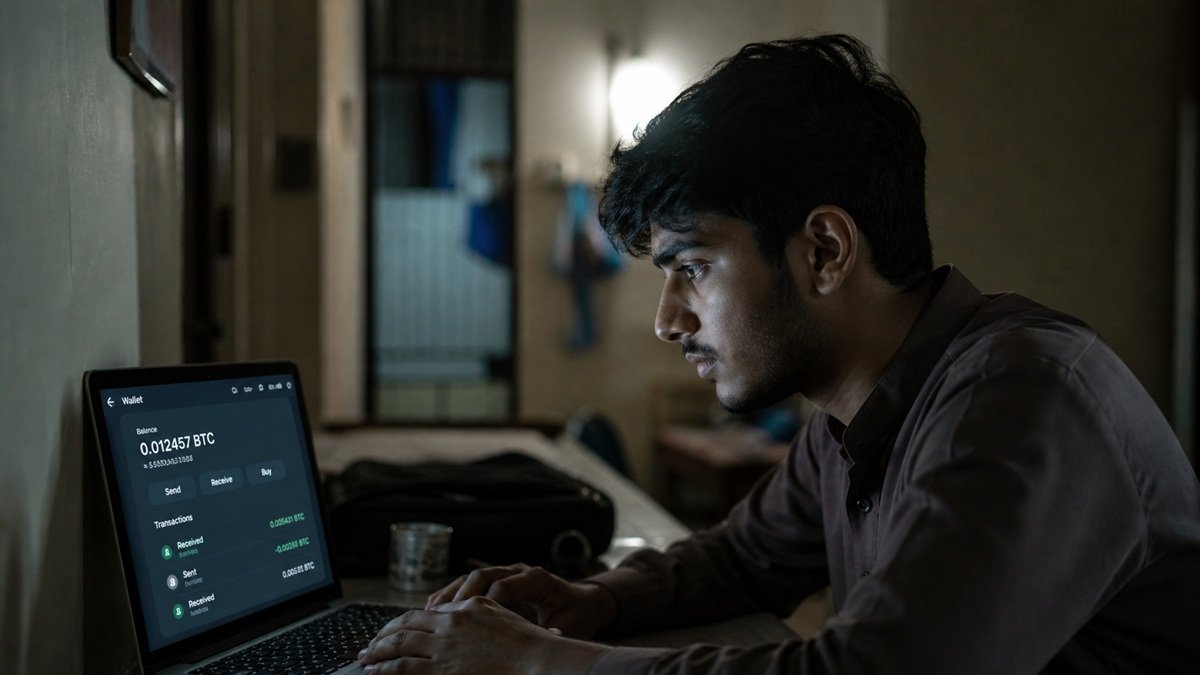
In my experience working with Pakistani freelancers, digital wallets often settle payments in minutes. A traditional bank transfer for the same amount can take two to five days with deduction after deduction along the way.
Regulatory Sandbox and AI Payments Explained
The government is launching a regulatory sandbox — a controlled testing environment for new financial technologies before full public release.
This model mirrors frameworks used by global regulators like the Financial Conduct Authority (FCA) in the UK.
What the Sandbox Includes
- AI-powered payment systems under supervised testing
- Stablecoin trials and compliance assessments
- Blockchain-based remittance testing channels
- Tokenized financial services evaluation
The sandbox reduces rollout risks. It lets companies test products before millions of users are exposed to them.
Impact on Freelancers and Remittances
This is where the policy change becomes deeply personal for millions of Pakistanis. Official data from the State Bank of Pakistan shows remittance inflows running into billions of dollars every year. A large share of that is eaten up by bank fees and currency conversion costs.
| Feature | Traditional Transfer | Crypto Transfer |
|---|---|---|
| Speed | 2 to 5 business days | Minutes |
| Fees | 5 to 7 percent | Under 1 percent |
| Bank Required | Yes | No — mobile access only |
How PVARA Licensing Will Affect Exchanges
Licensing will fundamentally change how crypto platforms operate inside Pakistan.
Before Regulation vs After Regulation
- Before: Mostly peer-to-peer trading, high fraud risk, zero formal user protection
- After: Licensed exchanges, strict compliance rules, formal dispute resolution
Global platforms are expected to enter Pakistan’s market first. They already have compliance infrastructure in place. Local startups will need to build toward standards set by the Financial Action Task Force (FATF).
For more on the legislative foundation: Virtual Asset Act Pakistan: Full Crypto Bill Update.

Virtual Asset Zones: A New Digital Economy Model
Pakistan plans to introduce Virtual Asset Zones — controlled geographic hubs where crypto companies can operate under direct supervision.
Why These Zones Matter
- Encourage fintech innovation in a safe environment
- Attract direct foreign investment into digital assets
- Create skilled jobs in technology and compliance sectors
- Dramatically reduce fraud and consumer harm
Similar models are already working well in Abu Dhabi through the Abu Dhabi Global Market (ADGM). Cities like Islamabad and Karachi are expected to be the first to host these zones inside Pakistan.
What Happens Next
Several key developments are expected in the coming months. Users, businesses, and investors should track each one closely.
Watch for These Milestones
- Announcement of regulatory sandbox participants
- First batch of PVARA operating licenses issued
- Entry of major global crypto firms into Pakistan
- Fintech startup growth around Virtual Asset Zones
- Tax policy framework published by the Finance Division
Track official updates through the Government of Pakistan portal and the Finance Division website.
Step-by-Step Guide for Users
If you are already active in the crypto space or planning to enter, here is what you should do right now to stay safe during the transition.
- Use verified and licensed crypto platforms only
- Complete identity verification (KYC) on your chosen platform
- Follow official updates from PVARA and the State Bank of Pakistan
- Avoid unlicensed peer-to-peer services after the licensing deadline
- Monitor tax policy announcements from the Finance Division
Frequently Asked Questions