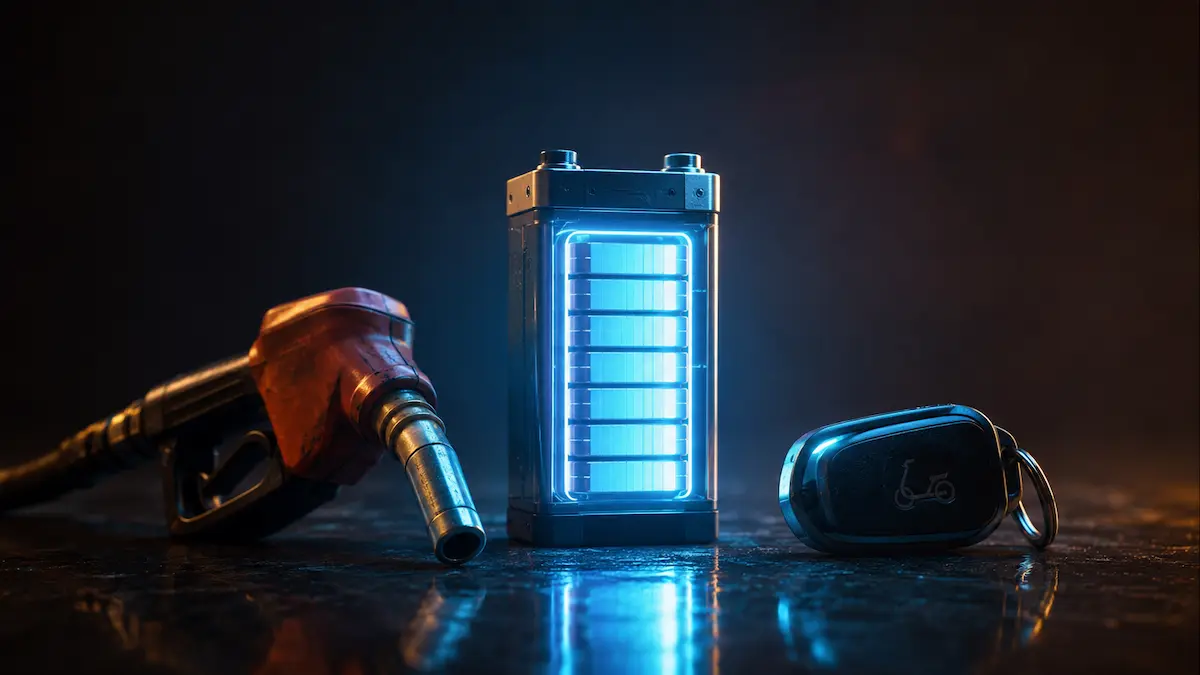
China’s Battery Breakthrough and Pakistan’s EV Future
Electric scooters are now common on roads from Rawalpindi to Karachi. Rising petrol prices and daily commuting costs are pushing more riders toward EVs. But battery reliability remains the biggest concern for buyers across Pakistan.
Many buyers focus only on the purchase price. The real cost often shows up later, when batteries wear out and replacements become expensive. That is why battery technology now matters more than speed or design in Pakistan’s EV market.
What “Graphene Battery” Really Means in Pakistan
The word graphene has become a strong marketing tool for EV sellers in Pakistan. But most buyers do not know what they are actually purchasing.
Most so-called graphene batteries sold in Pakistan are graphene-coated lead-acid batteries. In simple terms, they are traditional lead-acid batteries with a thin graphene layer added for better conductivity or heat control. Pure commercial graphene batteries are still mostly under development worldwide.
Some EV companies import generic Chinese scooters, rebrand them locally, and advertise advanced graphene technology without explaining the actual battery chemistry. Buyers often believe they are getting next-generation technology. In most cases, they are not. You can read more about this pattern in our earlier report on Pakistan’s electric bike boom, risks, costs, and battery issues.
Lithium-Ion vs Graphene-Coated Lead-Acid: The Real Difference
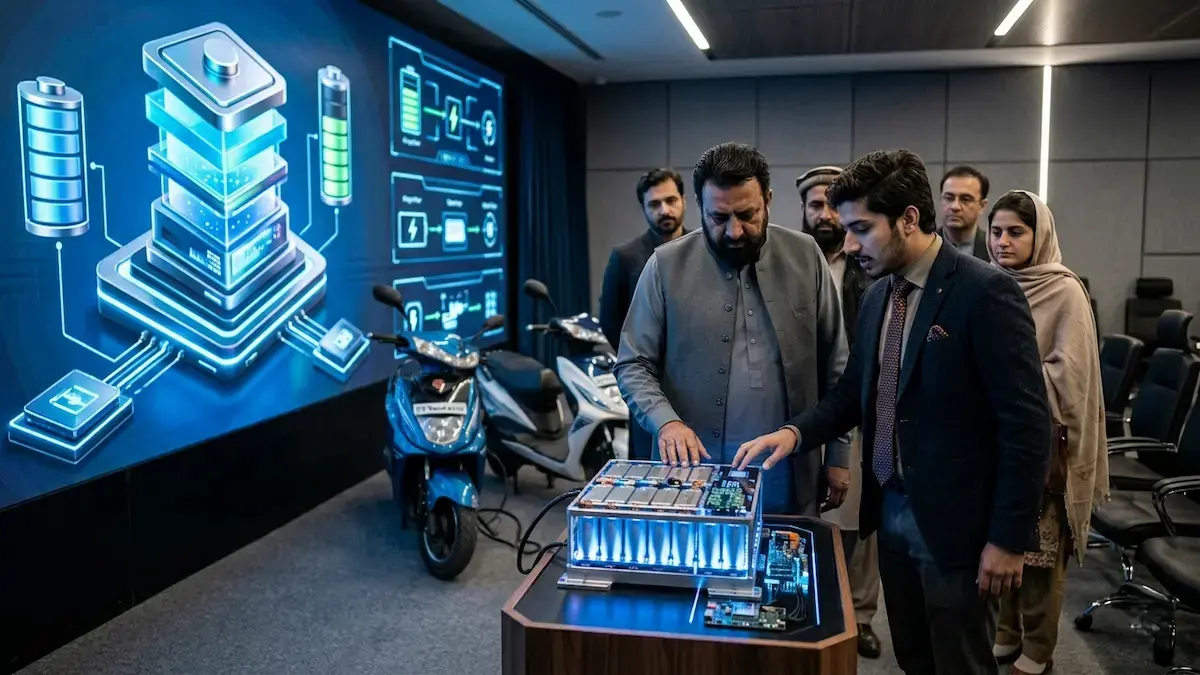
Right now, Pakistani buyers mainly choose between lithium-ion batteries and graphene-coated lead-acid systems. The practical difference is significant.
| Feature | Graphene-Coated Lead-Acid | Lithium-Ion LiFePO4 |
|---|---|---|
| Lifespan | 6 to 12 months | 3 to 5 years |
| Charging Cycles | 300 to 800 | 1,800+ |
| Charging Time | 6 to 10 hours | 2 to 4 hours |
| Weight | Heavy | Lightweight |
| Energy Efficiency | Lower | Higher |
| Long-Term Value | Lower | Better |
Testing on roads between Rawalpindi and Islamabad showed lithium-ion scooters delivered smoother acceleration and more stable performance. Several lower-cost graphene-coated models lost range more quickly after repeated charging cycles.
Pakistan’s summer heat makes this worse. High temperatures damage lower-quality batteries much faster. According to the U.S. Department of Energy, heat management is critical for EV battery lifespan and safety.
China’s 2026 Battery Breakthrough Explained
Researchers from Nankai University and the Shanghai Institute of Space Power-Sources developed a fluorine-based semi-solid-state lithium-metal battery with very high energy density. The technology could exceed 700 Wh/kg under certain conditions, which is far higher than most commercial EV batteries available today.
If commercial production succeeds, future EVs could offer more than 1,000 km of driving range, faster charging, smaller battery packs, and lower overheating risk. For Pakistan, where charging infrastructure is still limited outside major cities, longer range could significantly reduce buyer hesitation.
Why This Matters for Pakistani Riders
Pakistan faces two major challenges at the same time: rising fuel import costs and growing urban pollution. EV adoption is becoming increasingly important for the country’s transport future.
Better batteries could especially help delivery riders, Careem and ride-hailing drivers, students, and small business owners who depend on daily travel. Charging cost affects these riders every single day, which is why battery lifespan and efficiency matter far more than advertising claims.
For a detailed look at how Pakistani buyers are comparing their options right now, see our report on Pakistan’s Rs1 million EV options vs Chinese electric SUVs.
The Hidden Problem: After-Sales Support
One major issue in Pakistan’s EV market is after-sales service. Some smaller EV brands disappear within a few years. That leaves customers unable to find replacement batteries or spare parts.
Common complaints from buyers include weak battery lifespan, slow charging, reduced range after months of use, poor warranty support, and limited spare parts availability.
Before buying any EV scooter, every buyer should ask these questions: Which battery chemistry is used? What is the charging cycle rating? How long is the warranty? Are replacement batteries available locally? Does the company have service centers in Pakistan?
Which Battery Makes More Financial Sense Right Now?
A scooter that looks cheaper initially may actually cost more over three years. Here is the practical breakdown.
| Cost Factor | Graphene-Coated Lead-Acid | Lithium-Ion |
|---|---|---|
| Initial Price | Lower | Higher |
| Replacement Frequency | High | Lower |
| Charging Speed | Slower | Faster |
| Efficiency | Lower | Better |
| Long-Term Cost | Higher overall | Lower overall |
Experienced EV users increasingly prefer lithium-ion despite the higher upfront cost. Graphene-coated lead-acid systems may still work for short-distance or very budget-focused users, but repeated replacements often make them more expensive over time.
What Happens Next for Pakistan’s EV Industry
China’s latest battery breakthrough may take time to reach mass-market EVs. Still, it signals clearly where the global EV industry is heading. Future improvements could bring longer range, faster charging networks, safer batteries, and lower ownership costs.
For Pakistan, the biggest challenge now is not just importing EVs. It is building a trustworthy EV ecosystem with reliable battery support, transparent warranties, and long-term service availability.
Right now, lithium-ion remains the safest and most practical choice for most Pakistani buyers. The true graphene revolution may still come later. But consumers should separate future technology from present-day marketing claims.
Frequently Asked Questions
Are graphene batteries better than lithium-ion batteries?
Most graphene-coated lead-acid batteries sold in Pakistan do not outperform quality lithium-ion batteries in lifespan or efficiency. True graphene technology is still mostly in development globally.
What is China’s 2026 battery breakthrough?
Researchers developed a fluorine-based semi-solid-state lithium-metal battery that could exceed 700 Wh/kg energy density, potentially enabling over 1,000 km of driving range per charge.
Which battery lasts longer in Pakistan’s climate?
Lithium-ion batteries last significantly longer under Pakistani weather and road conditions. They handle summer heat and repeated charging much better than graphene-coated lead-acid systems.
Why are many graphene EV claims in Pakistan misleading?
Most scooters marketed as graphene EVs use graphene-coated lead-acid batteries, not true graphene technology. The thin graphene layer improves conductivity slightly but does not deliver the advanced benefits of real graphene battery systems.
What should buyers check before purchasing an EV in Pakistan?
Ask about the battery chemistry, charging cycle rating, warranty length, local availability of replacement batteries, and whether the company has service centers in Pakistan.
Will EV prices fall in Pakistan?
Battery improvements and increased competition are expected to gradually reduce EV costs over time. China’s latest breakthrough could eventually help lower prices further if it reaches mass production.