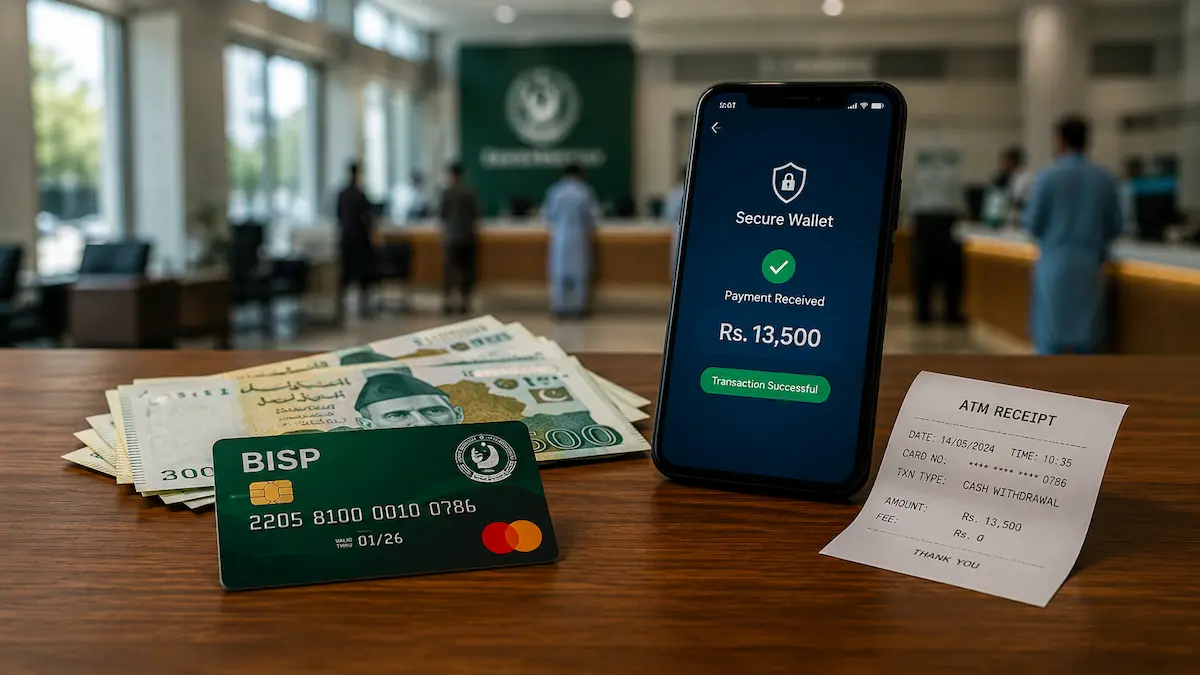
BISP Digital Wallet Rs. 280 Withdrawal Fee: What Changed
The State Bank of Pakistan has approved a fixed Rs. 280 charge on cash withdrawals made through BISP digital wallets. The fee applies only when a beneficiary takes out cash. It does not apply to digital payments.
This move is part of a larger plan to shift Benazir Income Support Programme beneficiaries from cash handouts to digital accounts. Officials say the goal is faster, safer, and more transparent welfare payments across Pakistan.
Why the Rs. 280 Fee Only Applies to Cash Withdrawals
According to official announcements, digital transfers and payments made through RAAST, Pakistan’s instant payment system, remain completely free. This detail matters a lot for beneficiaries planning their monthly budget.
The fee structure is designed on purpose. It pushes beneficiaries toward digital transactions and away from cash, which is harder to track and more open to misuse by middlemen.
Readers who want to check their eligibility and payment status can also see the latest BISP payment and eligibility update for full details on the current disbursement cycle.
How the Digital Wallet Rollout Will Work
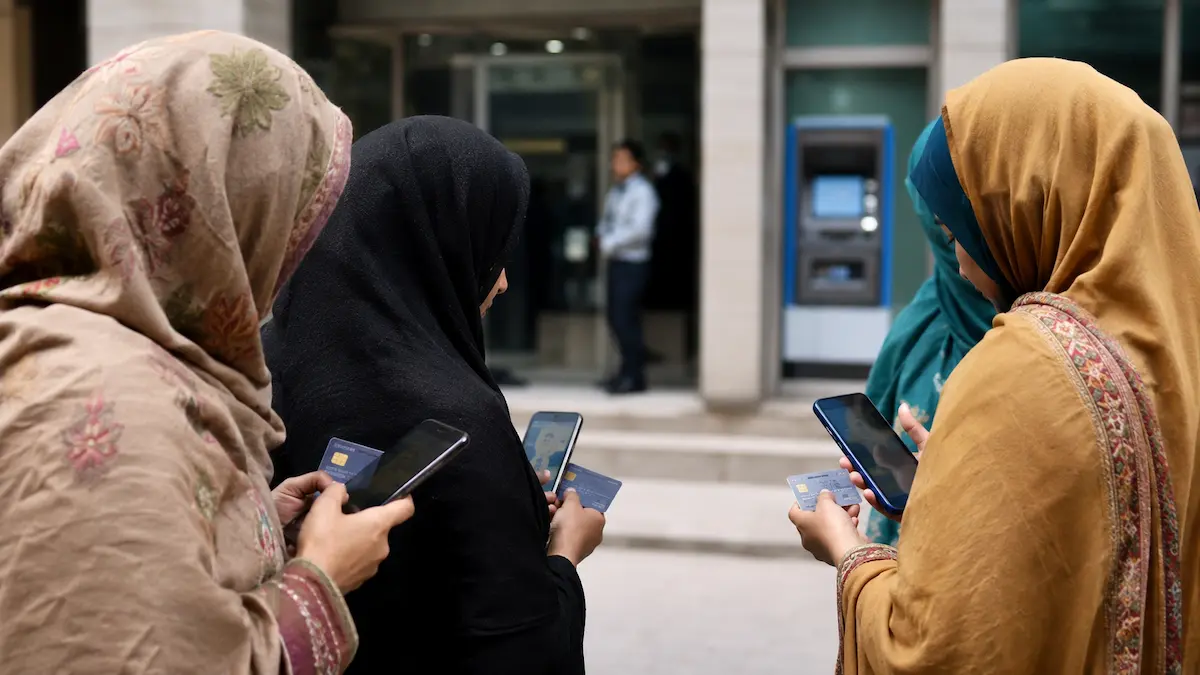
The nationwide rollout of digital wallets has already begun in the current phase. The government plans to move all eligible beneficiary accounts to digital wallets by the end of the year.
Once a beneficiary’s account goes digital, they will get access to a wallet linked to their national identity. This wallet can hold funds, receive transfers, and pay merchants who accept digital payments.
What This Means for Families Depending on BISP
For many BISP households, every rupee matters. The stipend covers food, school supplies, medicine, transport, and utility bills. A fixed Rs. 280 fee reduces the amount left in hand each time cash is withdrawn.
The real impact depends on where a family lives and shops. Many local grocery stores, transport services, and small clinics in rural areas still accept only cash. Until digital payment options grow in these communities, cash withdrawals may stay common despite the added cost.
This is also linked to wider policy debate. There have been calls, including an IMF recommendation to raise the BISP Kafalat stipend to Rs. 20,000, showing that support amounts and delivery methods are both under review at the same time.
Potential Benefits of the Digital Shift
Digital wallets can bring real advantages if the rollout goes smoothly. Funds can reach beneficiaries directly, cutting delays caused by manual cash distribution.
Electronic records also make it easier to verify who received what and when. This can reduce disputes and unauthorized deductions that beneficiaries have reported in the past with third party payment agents.
Since RAAST transfers are free, beneficiaries who shop with merchants accepting digital payments can avoid the Rs. 280 charge entirely. For more on how RAAST works, readers can check the official RAAST instant payment system page from the State Bank of Pakistan.
Public Awareness Will Decide How Smooth the Transition Is
Several lawmakers have already asked for stronger public awareness campaigns and better support from participating banks. Beneficiaries need clear, simple guidance on a few key points.
These include when the withdrawal charge applies, how the wallet works day to day, how to use RAAST transfers without paying any fee, and where to get help if something goes wrong.
A large number of BISP recipients have limited digital literacy. Some do not own smartphones and rely on basic mobile phones. Simple instructions in local languages, trained bank staff, and easy to reach customer support will matter a lot during this rollout.
Balancing Digital Modernization With Social Protection
The withdrawal fee has opened a wider conversation about balancing efficiency with accessibility. Digital systems can lower administrative costs and improve transparency across the welfare program.
At the same time, a welfare program is judged by how easily it reaches the people it is meant to help. Government agencies are expected to track how beneficiaries respond, including whether the fee pushes more people toward digital use or creates hurdles for cash dependent households.
Future data and direct feedback from beneficiaries will likely guide any adjustments as Pakistan continues building its digital welfare payment system.
| Payment Method | Charges |
|---|---|
| Cash withdrawal from Digital Wallet | Rs. 280 fixed fee |
| RAAST payment | Free |
| Digital transfer | Free |
Why This Story Matters for Pakistan’s Welfare System
The BISP digital wallet shift is bigger than one withdrawal fee. It reflects a national push to modernize how welfare payments reach millions of low income households.
For beneficiaries, the choice is now clear. Withdraw cash and pay Rs. 280, or use RAAST and digital payments for free. As the rollout continues, clear communication and wider access to digital payment points will decide how well this transition works for families who depend on BISP support.
Frequently Asked Questions
What is the BISP digital wallet Rs. 280 withdrawal fee?
It is a fixed charge applied whenever a BISP beneficiary withdraws cash from their digital wallet. It does not apply to digital transfers or RAAST payments.
Do BISP beneficiaries have to pay a fee for RAAST transfers?
No. RAAST transfers and digital payments remain completely free for all BISP beneficiaries.
When will BISP digital wallets be rolled out nationwide?
The rollout has already started in the current phase. The government aims to complete the digital transition by the end of the year.
Why is BISP moving beneficiaries to digital wallets?
The move supports Pakistan’s digital financial inclusion goals, aiming to cut delays, reduce unauthorized deductions, and improve transparency in welfare payments.
Will the Rs. 280 fee affect all BISP beneficiaries equally?
Not equally. It depends on how often a beneficiary needs cash. Those able to use digital payments regularly can avoid the fee more often.
What support is being planned for beneficiaries during the transition?
Lawmakers have asked for awareness campaigns, trained bank staff, and simple local language guidance to help beneficiaries adapt smoothly.