
Punjab Flood Alert 2026: From River Watch to City Risk
The Punjab flood alert has entered a more serious stage. The Punjab Disaster Management Authority (PDMA) says the danger is no longer just about rivers.
Heavy monsoon rain expected through July 24 has raised fears of flash floods, overflowing streams, and flooded streets in major cities across the province.
Why This Flood Warning Is Different
Older flood alerts mostly watched river levels. This one is different. Officials now say flooding often starts inside cities before any river rises.
Three separate risks are being tracked together this time. Rivers rising near their banks, flash floods from hill torrents, and urban flooding from blocked drains.
This shift builds on lessons from Punjab’s monsoon early warning system, which was tested earlier this season to catch these risks sooner.
Cities Now Under Close Watch
According to PDMA, heavy rain could cause serious drainage trouble in several cities. These include Lahore, Rawalpindi, Faisalabad, Gujranwala, Sialkot, Narowal, and Bahawalnagar.
Many of these cities have flooded before during past monsoon seasons. Even a few hours of hard rain can flood roads, underpasses, and markets when drains cannot keep up.
Rivers Still Under Watch Despite Normal Levels
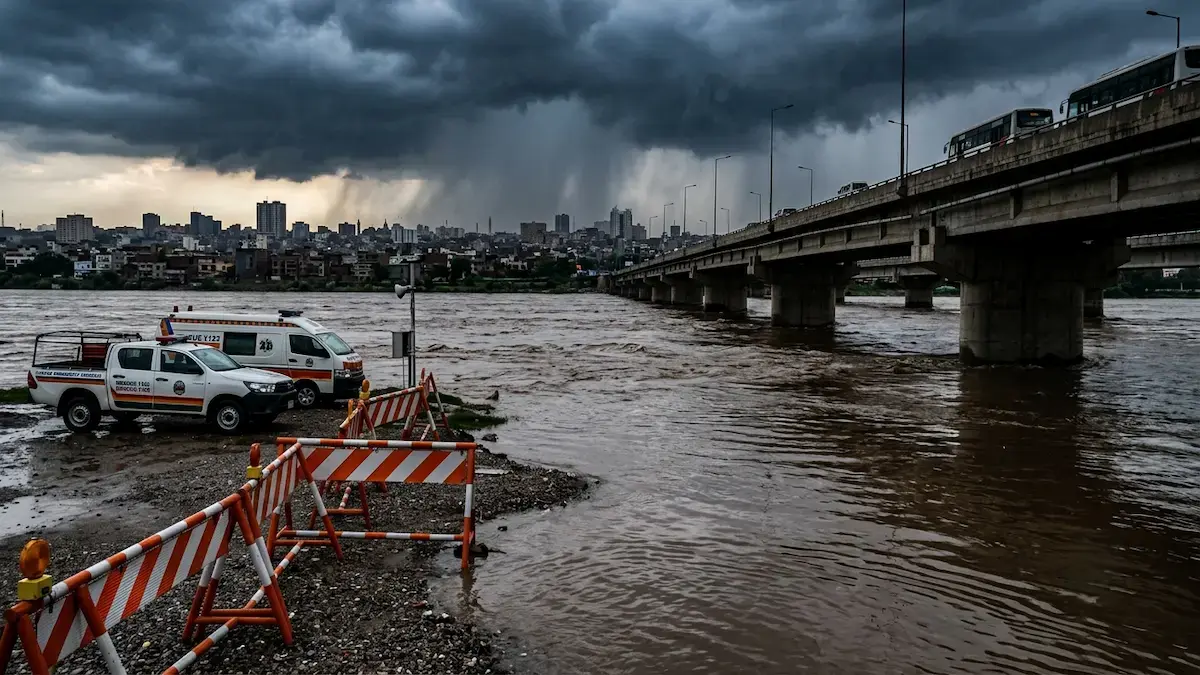
Most rivers across Punjab are still flowing within normal limits. But officials are not relaxing. Conditions can shift fast if heavy rain keeps falling upstream.
The Chenab river remains the top concern. Rain in its catchment areas in Punjab and Azad Jammu and Kashmir could push it from medium toward higher flood levels.
The Jhelum and Indus rivers are also being watched closely, along with smaller streams feeding into them.
Dera Ghazi Khan Faces a Faster Threat
Hill torrents behave differently from river floods. They rise fast after heavy rain hits nearby mountains, leaving little time to react.
PDMA has named Dera Ghazi Khan specifically because of its long history of sudden runoff during active monsoon spells.
| Flood Risk Type | How It Affects People |
|---|---|
| River flooding | Rising water near riverbanks and floodplains |
| Flash flooding | Fast rises in seasonal streams and hill torrents |
| Urban flooding | Water building up on roads, markets, and homes due to blocked drains |
Government Response and Public Safety Steps
Rescue teams are on standby. District control rooms are working around the clock. Irrigation authorities are checking embankments and flood protection structures.
NDMA has also sent advisories beyond Punjab, since this weather system is affecting several provinces at once. This matches wider concerns already raised in reports on heat and flood stress on crops across Pakistan this season.
Officials are asking residents to avoid travel during heavy rain, stay away from rivers and canals, and follow evacuation orders if they are issued. The Pakistan Meteorological Department continues to issue updated forecasts as the weather system moves across the country.
Residents can also track how this spell follows the pattern seen in the pre-monsoon rain update issued earlier this month.
Common Mistakes During Flood Alerts
Officials warn against a few habits that raise risk. Assuming normal river levels mean no danger is one of them, since urban flooding can strike separately.
Waiting too long to move to safety is another mistake, since flash floods can rise faster than expected. Driving through floodwater is also dangerous, even when it looks shallow.
Frequently Asked Questions
Why has the Punjab flood alert changed from river monitoring to city risk?
The latest PDMA advisory says flood risk now includes heavy rainfall inside major cities. Urban flooding caused by overloaded drainage systems is becoming as important as rising river levels during this monsoon spell.
Which rivers are being monitored most closely in Punjab?
Authorities are closely watching the Chenab, Jhelum, and Indus rivers, along with connected seasonal streams and tributaries.
Which cities face the greatest urban flooding risk this week?
Lahore, Rawalpindi, Faisalabad, Gujranwala, Sialkot, Narowal, and Bahawalnagar are among the urban areas where heavy rainfall could overwhelm drainage systems.
Why is Dera Ghazi Khan mentioned separately in the flood alert?
The district faces hill torrents flowing from nearby mountains, which can rise rapidly after heavy rainfall and increase the risk of flash flooding.
What should Punjab residents do during the current flood alert?
Avoid unnecessary travel during heavy rain, stay away from rivers and flooded roads, follow official weather updates, and cooperate with evacuation orders if issued.
Are Punjab’s rivers already in high flood?
At the time of the latest advisories, most rivers remained within normal seasonal limits, though authorities warn conditions could change quickly, especially along the Chenab basin.