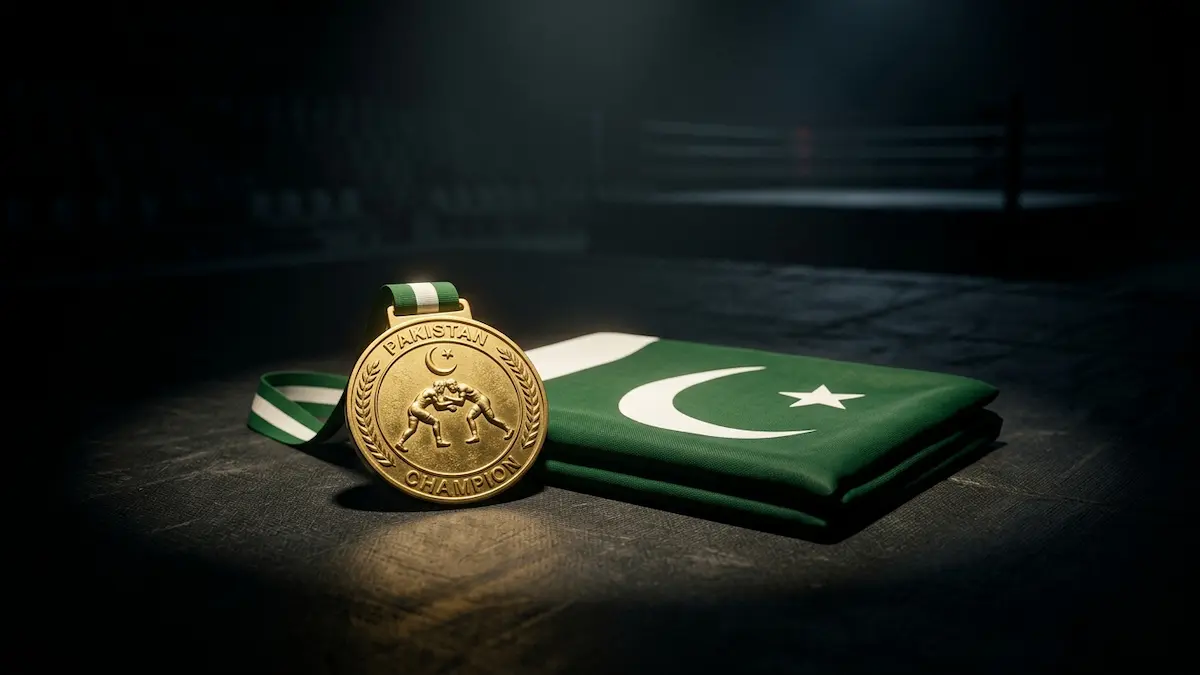
Ayesha Baloch Wins Asian Games Gold Against India
Ayesha Baloch, a combat sports athlete from Balochistan, reportedly defeated India’s Shreya Sai in the Asian Games 2026 wrestling final. The performance has drawn widespread attention across Pakistan, with many pointing to the win as a landmark moment for women’s sport in the country.
India has traditionally been one of Asia’s strongest wrestling nations at the continental level. A Pakistani victory in that final carries real weight.
How She Won the Final
Reports from the event describe a controlled, disciplined performance. Ayesha did not rely on a single big move. She applied consistent pressure, used strong grip control, and scored steadily through effective takedowns and defensive positioning.
That tactical approach reflects how modern wrestling at elite level is won. Technical execution and match management often matter more than raw physical power. Ayesha appears to have understood that well.
For those interested in how international wrestling competitions are structured, United World Wrestling provides full details on global event formats and athlete rankings.
A Career Built Across Multiple Disciplines
This gold medal did not arrive without foundation. Ayesha has been building a serious combat sports record over several years, competing in wrestling, boxing, and mixed martial arts.
Athletes with that kind of multi-sport background often develop tactical awareness and timing that specialists can lack. Competing across disciplines forces adaptability — and that adaptability can prove decisive at major events.
Her recent record includes a silver medal at the World Martial Arts Games in 2025, a gold at Nomad MMA the same year, and three gold medals from national boxing events between 2023 and 2025. The Asian Games gold adds the most high-profile achievement to that list.
| Achievement | Competition | Year |
|---|---|---|
| Gold Medal | Asian Games Wrestling Final | 2026 |
| Silver Medal | World Martial Arts Games | 2025 |
| Gold Medal | Nomad MMA | 2025 |
| Three Gold Medals | National Boxing Events | 2023–2025 |
Why This Win Matters Beyond the Medal
The significance here runs across several themes at once. First, it demonstrates that Pakistan can produce wrestlers who compete successfully against India — a nation with a deep wrestling culture and well-funded programs.
Second, high-profile results in women’s sports tend to change conversations. Media coverage increases. Younger athletes take notice. Participation often follows visibility, and women’s wrestling in Pakistan needs both. Pakistan’s boxing story from Lyari showed a similar pattern — grassroots talent rising when given a spotlight.
Third, the result raises structural questions that matter more in the long run: Are enough women getting access to quality coaching? Are domestic competition opportunities sufficient? Is sports investment reaching provinces outside the major cities?
Balochistan’s Role in Pakistan’s Sporting Future
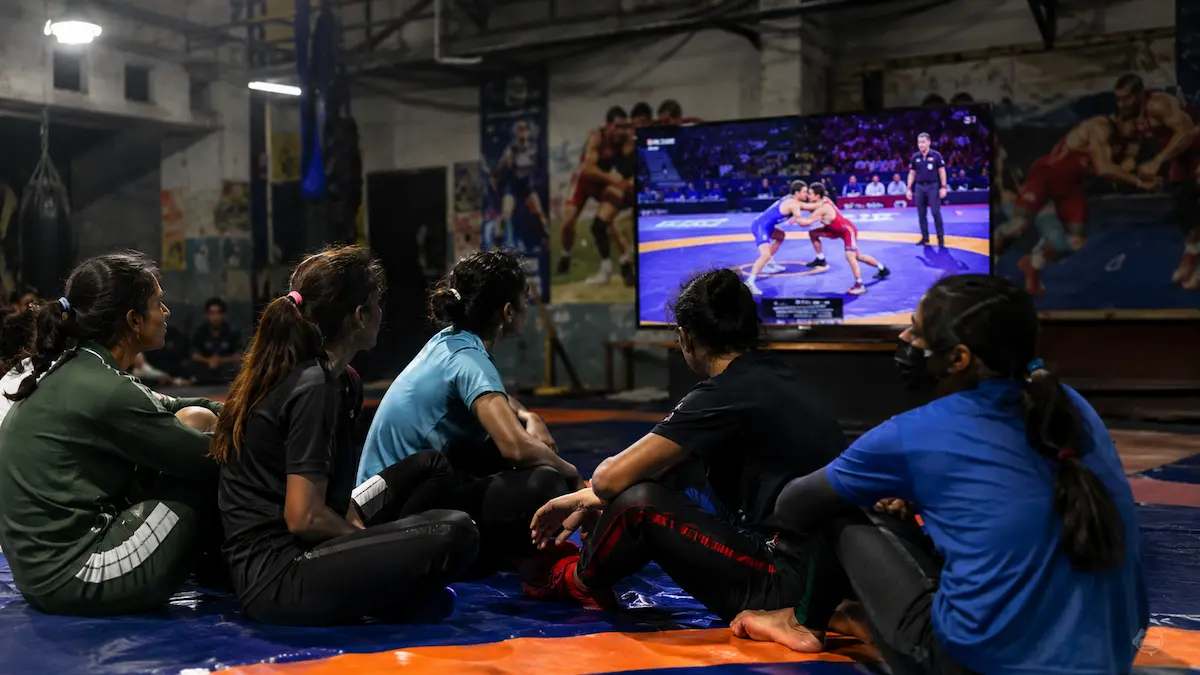
One of the most important aspects of this story is where Ayesha is from. Elite sport in Pakistan has historically been associated with Lahore, Karachi, and Islamabad. Athletes from Balochistan reaching continental finals challenges that assumption directly.
The message is straightforward. Talent exists across every province. What determines outcomes is whether that talent receives coaching, facilities, and competition exposure. Balochistan producing a continental gold medalist is a signal that investment in the province can produce results.
Another example worth noting: Pakistan’s squash journey also highlights how provincial and institutional backing can shape sporting trajectories over time.
Challenges That Still Need Addressing
Celebrations are justified. But the structural picture has not changed overnight. Training centers across Pakistan still face equipment shortages. Female wrestlers have fewer domestic competitions than their male counterparts. Coaching pathways lack consistent international exposure.
These are not new observations — sports administrators have raised them repeatedly. What this result does is create a moment where those conversations can gain traction with policymakers and provincial sports bodies.
Progress in women’s wrestling has been gradual. The timeline from first international medals in 2017 to a gold at the Asian Games in 2026 covers nearly a decade of steady, quiet development. That foundation matters as much as the headline result.
What Could Change Now
Sporting success at this level sometimes triggers policy movement. There is no guarantee of that, but the conditions are in place for several shifts: increased attention toward women’s wrestling, stronger calls for provincial sports investment, and demand for better talent identification systems across Pakistan.
Whether those shifts happen will depend on decisions made by sports authorities in the coming months. The Pakistan Sports Board oversees national athlete development programs and would be the key institution to watch on this front.
What is already certain is that the conversation has started. That alone has value.
Key Facts at a Glance
| Category | Details |
|---|---|
| Athlete | Ayesha Baloch |
| Province | Balochistan |
| Sport | Wrestling |
| Event | Asian Games 2026 |
| Opponent | Shreya Sai (India) |
| Result | Gold Medal |
| Significance | Major milestone for Pakistan women’s wrestling |
Frequently Asked Questions
Who is Ayesha Baloch?
Ayesha Baloch is a Pakistani combat sports athlete from Balochistan who has competed in wrestling, boxing, and mixed martial arts at national and international level.
What did Ayesha Baloch win at the Asian Games 2026?
She reportedly won a gold medal in wrestling, defeating India’s Shreya Sai in the final.
Why is this victory important for Pakistan?
It demonstrates that Pakistani women can compete at the highest level against established programs, raises the profile of women’s wrestling, and puts Balochistan on the map as a source of elite sporting talent.
What other titles has Ayesha Baloch won?
She has won a silver at the World Martial Arts Games 2025, gold at Nomad MMA 2025, and three national boxing gold medals between 2023 and 2025.
What challenges does women’s wrestling still face in Pakistan?
Key issues include limited modern training facilities, fewer domestic competition opportunities for women, and gaps in coaching development and international exposure.
What could this gold medal mean for Pakistani wrestling going forward?
Greater visibility may lead to increased investment, stronger development programs, and improved systems to identify and support the next generation of female wrestlers across Pakistan.