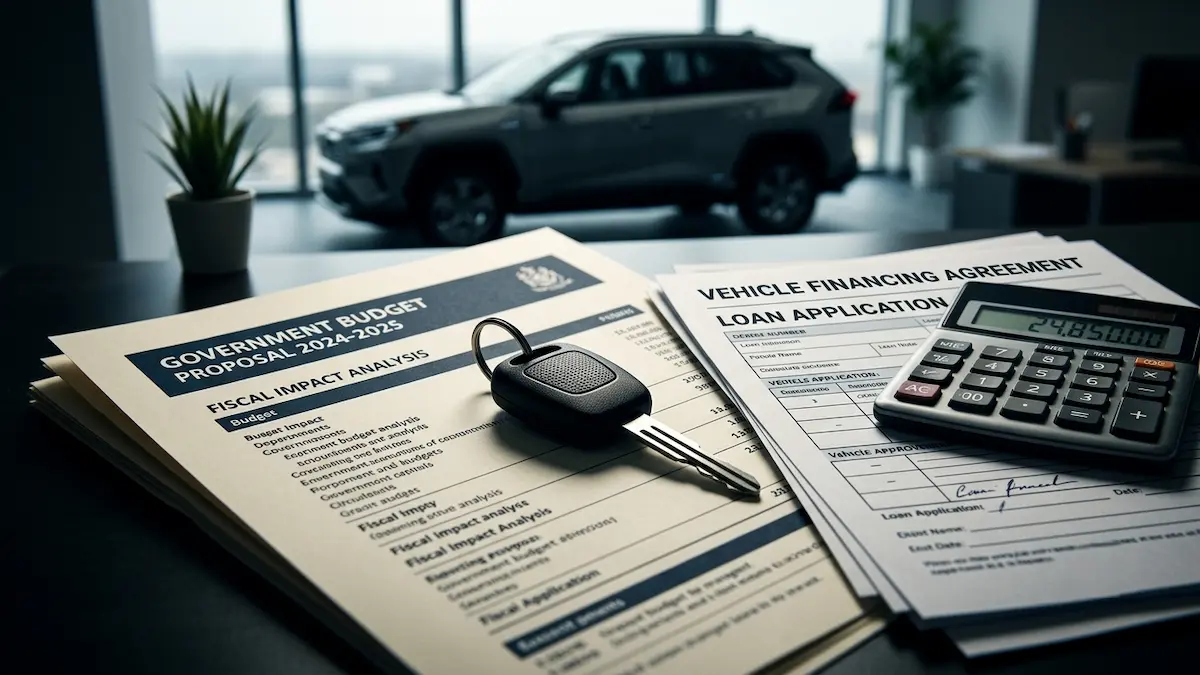
Why Budget 2026 Matters for Hybrid Car Buyers
Pakistan’s automotive market is shifting rapidly. Hybrid vehicles, plug-in hybrids, and electric vehicles are growing in popularity as fuel prices rise and families search for cost-effective transportation. Budget 2026 has attracted attention because policymakers are reviewing tax measures that may affect these fuel-efficient vehicles.
The real concern for most buyers is not the tax percentage itself. Instead, it is how any change could affect vehicle prices, monthly installments, and total ownership costs. Official budget updates will be verified through the Finance Division and the Federal Board of Revenue, but the uncertainty is already influencing purchasing decisions.
For households considering a hybrid purchase in the next few months, understanding the potential impact matters more than speculation.
What Tax Changes Are Being Discussed?
Government officials are reviewing ways to increase revenue while continuing support for cleaner transportation technologies. Industry stakeholders are closely watching potential changes affecting hybrid electric vehicles (HEVs), plug-in hybrid electric vehicles (PHEVs), and battery electric vehicles (EVs).
Buyers should separate confirmed announcements from market speculation. Final tax structure will only become clear after official notifications from the Federal Board of Revenue. Vehicle prices are determined by official tax rules, not dealer expectations or social media rumors.
Understanding Vehicle Types: HEV vs PHEV vs EV
Many buyers use these terms interchangeably, but they work very differently. Understanding the technology helps explain why tax treatment may vary between vehicle types.
| Vehicle Type | Uses Fuel | Uses Battery | External Charging Required |
|---|---|---|---|
| HEV (Hybrid) | Yes | Yes | No |
| PHEV (Plug-in Hybrid) | Yes | Yes | Yes |
| EV (Electric) | No | Yes | Yes |
HEVs (Hybrid Electric Vehicles) automatically switch between engine and battery. Drivers never need to charge them. Popular examples include Toyota Corolla Cross Hybrid, Haval H6 HEV, and Hyundai Tucson Hybrid.
PHEVs (Plug-in Hybrids) can drive short distances using only electricity before switching to fuel. Examples include Haval H6 PHEV and MG HS Super Hybrid. These vehicles suit buyers with predictable daily commutes and home charging access.
EVs (Electric Vehicles) run entirely on electricity and require charging infrastructure. Pakistan’s EV policy framework continues to develop, with government support for cleaner transportation options.
Which Popular Models Could Be Affected?
Industry discussions have largely focused on fuel-efficient vehicles that occupy the fastest-growing segment of Pakistan’s market. Popular hybrid models currently facing scrutiny include Toyota Corolla Cross Hybrid and Corolla Cross HEV X, Haval Jolion HEV, H6 HEV, and H6 PHEV, Hyundai Elantra Hybrid and Tucson Hybrid, Kia Sportage Hybrid, and MG HS Hybrid+ models.
A key point often missed is that manufacturers are not required to pass every tax change directly to consumers immediately. Inventory levels, exchange rates, demand conditions, and competition also influence final showroom prices. Vehicle prices may not move at the same pace across all brands.
How Higher Prices Affect Monthly Installments
Most buyers finance vehicles through banks rather than paying upfront. This means even modest vehicle price increases can significantly increase total financing costs over several years.
When the vehicle price rises, down payment requirements often increase. Monthly installments may rise, total interest costs can compound, and insurance costs may also move higher. For example, vehicles in the Rs 8 to 10 million range may see moderate increases in monthly costs, while Rs 15 million vehicles could face larger overall ownership cost impacts.
The Most Important Detail: Invoice Date vs Booking Date
This is one area where many buyers make costly assumptions. A booking receipt does not guarantee the final price. The applicable tax treatment often depends on when the vehicle is invoiced and delivered.
Ask dealers these critical questions: Is the vehicle already allocated? Has a chassis number been assigned? Is there a written price-lock agreement? What happens if taxes change before delivery? What is the expected invoice date?
These questions can help avoid unexpected price adjustments later. Documentation details matter more than verbal assurances.
Why PHEVs and EVs Are Getting More Policy Attention
One of the most important shifts in Pakistan’s automotive market is the growing focus on vehicle electrification. Globally, governments increasingly encourage vehicles that reduce fuel consumption and emissions. Pakistan is moving in the same direction.
However, there is an important local reality. Many urban residents live in apartments or shared housing where charging infrastructure remains limited. Buyers should evaluate home charging availability, workplace charging access, daily driving distance, and local service support before committing to a PHEV or EV.
A vehicle’s real-world practicality is often more important than advertised specifications. This factor is frequently overlooked in discussions about vehicle incentives.
The Used Car Market Connection
Budget changes rarely affect only new vehicles. Whenever new vehicle prices rise, interest in used vehicles tends to increase as well. This is particularly true for used hybrid vehicles, imported Japanese cars, and fuel-efficient compact vehicles.
Market analysts will watch whether demand shifts toward Toyota Aqua, Toyota Prius, Honda Fit Hybrid, and Nissan Note e-Power models. However, used-car pricing also depends on import policies, exchange rates, and supply conditions. Buyers should avoid assuming automatic price movements in any direction.
What Most Coverage Misses: Total Ownership Cost
Much discussion focuses on tax percentages. However, most consumers make decisions based on affordability. The more important question is whether households can comfortably manage total ownership cost.
That includes vehicle price, financing cost, fuel expenses, maintenance, insurance, and resale value. A vehicle with lower tax burden may not necessarily be cheaper to own over five years. Likewise, a higher-priced vehicle may still make financial sense if fuel savings and resale value remain strong.
This broader ownership perspective is often more useful than focusing on tax rates alone.
Key Questions Before Making a Purchase Decision
For Hybrid Buyers: Is the current price protected? What is the delivery timeline? Is financing already approved?
For PHEV Buyers: Can the vehicle be charged at home? Is local service support available? What warranty coverage is included?
For EV Buyers: Where will charging take place? Are charging stations available nearby? What is the battery warranty period?
These questions help buyers focus on long-term ownership rather than short-term marketing claims.
What Happens Next?
Several developments are expected after the budget process. Official budget approval will be followed by FBR implementation notifications. Then manufacturers will announce pricing decisions, banks will update financing schedules, and consumers will respond to market changes.
Until those steps are completed, projections should be treated as estimates rather than confirmed outcomes. For verified updates, readers should rely on official government notifications from the Federal Board of Revenue rather than social media rumors or dealership speculation.
Frequently Asked Questions
Will all hybrid vehicles become more expensive after Budget 2026?
Not necessarily. Final prices depend on official tax measures and manufacturer pricing decisions. Some brands may absorb costs differently based on inventory and market position.
Does booking a vehicle guarantee the current price?
Not always. Buyers should review invoice conditions, delivery timelines, and price-protection clauses in writing before finalizing a booking.
Are EVs still part of Pakistan’s long-term policy plans?
Yes. Government policy has generally supported cleaner transportation technologies, although future incentives depend on official decisions and budget allocations.
Where can buyers verify vehicle tax changes?
Official information is available through the FBR website and Finance Division budget documents. Check these sources before making final purchase decisions.
What should buyers focus on most?
Beyond vehicle prices, evaluate total ownership cost, financing obligations, fuel savings, maintenance expenses, and resale value over the vehicle’s life.
How do hybrid vehicles differ from plug-in hybrids?
Hybrid vehicles automatically switch between engine and battery without external charging. Plug-in hybrids can drive short distances on electricity alone and require home or public charging infrastructure.