
Pakistan’s FIFA ASEAN Cup Invitation: A Major Breakthrough for Pakistani Football
Pakistan’s national football team stands at a potential turning point. Multiple media reports indicate the team has received an invitation to participate in the FIFA ASEAN Cup 2026, scheduled for September 21 to October 6, 2026, in Indonesia. If confirmed through official channels, this would represent one of the most significant international football opportunities the country has seen in decades.
This development arrives at a moment when Pakistan football is showing genuine progress. The national team recently defeated Afghanistan 2-0 in the Diamond Jubilee International Football Tournament final in June 2026, ending a decades-long wait for a standalone international title. Observers have also noted gradual improvement in Pakistan’s FIFA ranking and stronger performances against regional opponents.
The tournament invitation reflects more than just a lucky break. It represents the results of administrative reforms, improved engagement with international football bodies, and a strategic push by the Pakistan Football Federation to restore the country’s standing in global football. Understanding what this opportunity means requires looking at both the immediate benefits and the long-term challenges ahead.
What Exactly Is the FIFA ASEAN Cup 2026?
The FIFA ASEAN Cup is a newly designed international competition intended to expand competitive opportunities for teams across Southeast Asia and neighboring regions. According to reports, Pakistan would compete in Division 1 alongside Indonesia, Thailand, Malaysia, Singapore, the Philippines, and India.
The tournament differs from typical qualification matches. It provides dedicated international competition outside of World Cup and continental qualification campaigns. For Pakistan, this means structured matches against consistently strong opponents over a defined period, something the national team has struggled to secure consistently in recent years.
The inclusion of guest nations like Pakistan suggests organizers aim to broaden competition levels and create meaningful football development opportunities across a wider geographic area. Pakistan is not traditionally considered part of Southeast Asia, but the tournament’s structure allows for selected nations that can strengthen overall competition.
Why Pakistan’s Football Needs This Moment
For many years, Pakistan football operated under significant constraints. Administrative disputes within the sport led to FIFA suspensions, limited international exposure, and relatively few competitive matches compared to regional rivals. When you compare Pakistan’s international schedule with that of countries like Thailand or Indonesia, the gap becomes clear.
A FIFA-backed tournament participation would address several critical needs. International matches provide players with experience against higher-ranked opponents, helping improve tactical awareness and match readiness. Regular competition also increases visibility for sponsors and investors interested in football development.
Young Pakistani athletes looking at similar opportunities in other sports would see comparable international pathways opening in football. This visibility matters for athlete motivation and recruitment into football programs.
Pakistan’s Recent Football Progress Building Momentum
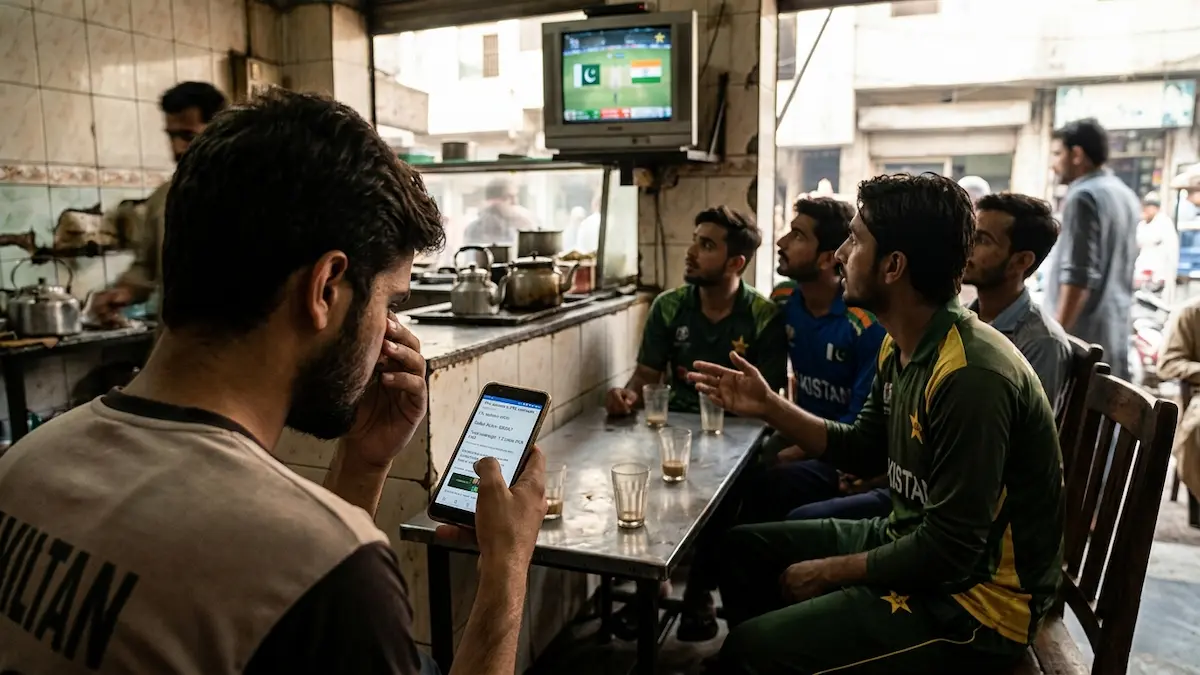
The reported FIFA ASEAN Cup invitation does not arrive out of nowhere. Pakistan football has experienced a measurable improvement in recent months. The Diamond Jubilee Tournament victory in June 2026 was particularly significant. Defeating Afghanistan in the final provided the national team with something it had been missing: a major international tournament win.
Beyond tournament victories, the numbers show progress. Pakistan’s FIFA ranking has improved gradually over recent years, moving away from the lower rankings that characterized the sport during administrative disputes. Several overseas-based Pakistani players have strengthened the national squad, bringing experience from European football systems.
Like athletes such as Ayesha Baloch inspiring new generations in boxing, successful national football performances attract attention and encourage participation in the sport domestically.
The Pakistan Football Federation’s Reform Strategy
None of this progress would be possible without significant changes in football administration. After the election of PFF President Syed Mohsen Gilani, the federation introduced a comprehensive reform agenda. These reforms have focused on three main areas.
First, international reengagement has become a priority. The PFF has increased contact and cooperation with FIFA and regional football bodies. This diplomatic effort directly improved Pakistan’s visibility and credibility within international football circles, likely contributing to the tournament invitation.
Second, infrastructure development discussions have become part of long-term planning. Pakistan currently lacks a dedicated football stadium meeting all international standards, a major limitation for both player development and hosting opportunities.
Third, professional league development has been repeatedly emphasized. The federation recognizes that modern domestic football structures produce competitive players. Without consistent domestic competition at a professional level, player development becomes significantly more difficult.
Tournament Opportunities for Pakistan Football
The FIFA ASEAN Cup presents Pakistan with several concrete opportunities. International experience ranks at the top of this list. Pakistan’s players rarely receive chances to face higher-ranked Asian opponents in structured tournaments. Regular competition against stronger teams directly improves tactical awareness and match readiness.
Commercial visibility comes as another significant benefit. A FIFA-backed tournament naturally attracts more media attention than smaller regional competitions. Media coverage creates opportunities to attract sponsors and investors, funding that Pakistani football desperately needs.
Youth development benefits follow tournament participation. When younger athletes see the national team competing at high levels, it inspires similar aspirations. Countries from Malaysia to Thailand have observed increased youth participation following major international football appearances.
Diaspora engagement represents an underestimated opportunity. Millions of Pakistanis living overseas follow international football closely. Greater national team visibility could strengthen support among these communities, creating additional pathways for funding and player development.
| Category | Details |
|---|---|
| Tournament Name | FIFA ASEAN Cup 2026 |
| Host Country | Indonesia |
| Dates | September 21 to October 6, 2026 |
| Pakistan Status | Reportedly invited to Division 1 |
| Expected Opponents | Indonesia, Thailand, Malaysia, Singapore, Philippines, India |
| Significance | First FIFA-backed tournament outside qualification competitions |
Challenges Pakistan Must Still Address
The tournament invitation brings genuine opportunity, but it exists within a context of serious structural challenges. Pakistan’s football infrastructure remains significantly underdeveloped compared to regional competitors. The lack of a dedicated international-standard stadium affects everything from player development to the national team’s ability to host matches.
A fully professional and stable national league remains a work in progress. Domestic competition consistency is essential for player development. Without reliable domestic football structures, finding and developing quality players becomes exponentially harder.
Financial sustainability presents another ongoing challenge. Football development requires consistent long-term funding across multiple areas: travel, training camps, coaching staff, youth programs, and player development academies. Pakistan has struggled to maintain this level of investment historically.
The competitive gap with more established football nations should not be underestimated. Countries like Thailand and Indonesia have invested heavily in football infrastructure, coaching systems, and youth academies over many years. Pakistan must overcome this accumulated advantage in experience and development resources.
Pakistan Football’s Historical Context Matters
Understanding why this moment feels significant requires context. Pakistan football experienced multiple disruptions during the past decade. Administrative disputes interrupted domestic competitions and international planning. Meanwhile, neighboring countries continued investing in football development, gradually widening the competitive gap.
The recent Diamond Jubilee victory and FIFA ASEAN Cup invitation arrive during a rebuilding period, not continuous growth. The national team has been working to recover from administrative setbacks while simultaneously trying to catch up with regional progress. This context explains why the reported tournament invitation has generated significant discussion among supporters and analysts.
Progress in other Pakistani sports like squash demonstrates that athletic success is possible when proper structures and international engagement exist. Football could follow a similar path with sustained commitment.
Timeline: Key Events in Pakistan Football’s Recent Journey
May 2025 marked the election of new PFF leadership under President Syed Mohsen Gilani. Throughout 2025, increased FIFA engagement was reported by multiple media outlets. On June 10, 2026, Pakistan defeated Afghanistan 2-0 in the Diamond Jubilee Tournament final. By June 2026, reports emerged of the FIFA ASEAN Cup invitation. The tournament is scheduled to begin September 21, 2026, and conclude October 6, 2026.
What Comes Next for Pakistan Football
Several developments will shape the coming months. Official confirmation from FIFA and the Pakistan Football Federation remains essential. Once confirmed, squad selection becomes the next critical step. How the coaching staff builds the 23-member squad will determine whether Pakistan fields its strongest possible team.
Preparation camps and friendly matches leading up to September will be crucial. Pakistan needs competitive preparation against quality opponents, ideally teams that play similar styles to expected tournament opponents.
Travel and logistical arrangements, broadcasting plans, and media coverage will follow. The tournament represents an opportunity not just for the national team but for growing the sport’s footprint across Pakistan’s media landscape.
Frequently Asked Questions
Has Pakistan officially been invited to the FIFA ASEAN Cup 2026?
Multiple media reports indicate Pakistan has been invited, but official confirmation from FIFA and the Pakistan Football Federation is still awaited. Readers should monitor official announcements before treating participation as finalized.
When and where will the FIFA ASEAN Cup 2026 take place?
According to reports, the tournament will be held in Indonesia from September 21 to October 6, 2026. Pakistan would reportedly compete in Division 1 alongside other selected teams.
Why is Pakistan’s invitation considered historically significant?
Reports suggest this would be Pakistan’s first appearance in a FIFA-backed tournament outside of World Cup and continental qualification competitions. Given Pakistan football’s limited international exposure in recent years, this represents a meaningful opportunity.
What challenges does Pakistan’s national team still face?
Major challenges include infrastructure limitations, lack of an international-standard stadium, an underdeveloped domestic league, financial constraints, and the competitive gap created by regional nations’ years of football investment.
Can participation in this tournament improve Pakistan’s FIFA ranking?
Yes, but only through strong performance. International competition against higher-ranked teams can contribute to ranking improvements. Actual ranking changes depend on match results and how FIFA weights the tournament matches.
How have recent Pakistan Football Federation reforms contributed to this opportunity?
The PFF’s focus on international reengagement, infrastructure planning, and professional league development has increased Pakistan’s visibility and credibility with FIFA and regional football bodies. These reforms helped create the conditions for tournament consideration.