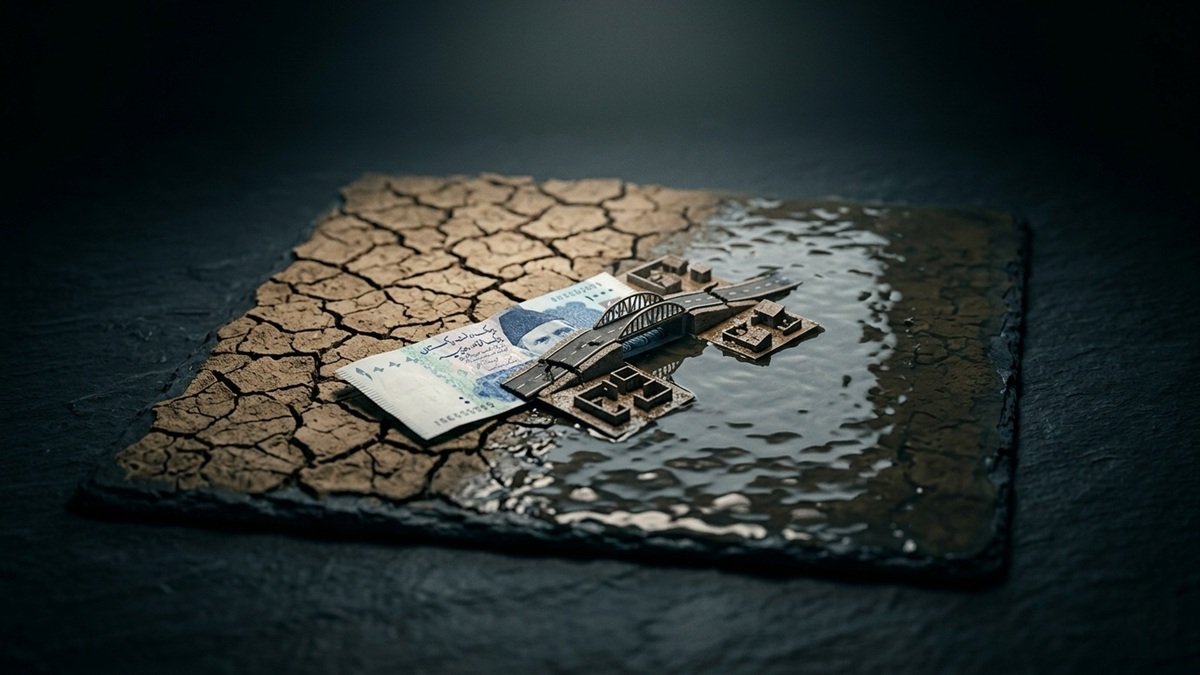
Pakistan is no longer just dealing with a climate problem. It is now dealing with an economic crisis shaped by climate. Floods wash away roads. Heatwaves destroy crops. Glaciers melt faster than anyone planned for. And the IMF has now said this out loud in its official assessment.
This is not a future warning. The damage is happening now. And ordinary Pakistanis in Rawalpindi, Lahore, Karachi, and hundreds of smaller towns are paying the price every single season.
Why the IMF Is Warning Pakistan About Climate Risks
Pakistan has faced repeated climate disasters in recent years. The 2022 floods damaged roads, homes, crops, and businesses across multiple provinces. Since then, extreme heatwaves and unpredictable rainfall have continued to pressure the economy.
According to the IMF’s official climate resources, climate-related disasters are now a direct threat to Pakistan’s macroeconomic stability. Severe weather events can slow growth, increase government spending, and create pressure on foreign exchange reserves.
This warning matters because Pakistan is already dealing with inflation, debt repayments, and energy sector problems. A major flood or heatwave can quickly increase reconstruction costs while reducing agricultural output and tax collection. The PMD has already flagged more heat ahead this year, even as rainfall patterns remain unpredictable.
This is different from older climate discussions. Earlier debates mostly focused on environmental damage. Now, climate risk is being treated as a financial and economic issue. Budget planning, infrastructure approvals, and even public financing are increasingly linked with climate resilience.

What the Rs7.5 Billion Climate Screening Rule Means
Pakistan has introduced climate risk assessments for public investment projects exceeding Rs7.5 billion. In simple terms, large projects must now show how they can handle floods, heavy rainfall, heatwaves, or other climate threats before approval.
The government has also committed at least 30% of infrastructure spending toward climate-related and resilient projects. According to the Pakistan Ministry of Climate Change and Environmental Coordination, resilience planning is becoming a larger part of national development policy.
| Sector | Possible Climate Measures |
|---|---|
| Roads and highways | Flood-resistant construction |
| Schools and hospitals | Elevated foundations and drainage |
| Energy projects | Heat protection systems |
| Urban housing | Better stormwater planning |
| Irrigation systems | Water efficiency and flood controls |
A Major Issue Many Reports Ignore
Several flood-prone districts already have embankments, drains, and protection systems. Many fail because maintenance budgets remain weak after construction finishes. That creates repeated damage during every heavy monsoon season. Smaller practical fixes like raised school foundations, cleaner drains, and better stormwater systems often deliver faster and cheaper protection than mega projects.

Pakistan’s Green Sukuk and Solar Energy Push
The IMF also highlighted Pakistan’s first sovereign green sukuk worth around $100 million. A green sukuk is an Islamic financing tool used for environmentally sustainable projects such as renewable energy, flood protection, and climate-resilient infrastructure.
According to the World Bank’s Pakistan country overview, Pakistan remains highly vulnerable to climate shocks and requires long-term resilience investment. The government hopes green financing can support:
- Renewable energy projects
- Flood protection systems
- Water infrastructure upgrades
- Climate-resilient public buildings
- Sustainable transport projects
Why Solar Energy Growth Matters
Solar adoption has expanded rapidly across Pakistan. In cities like Lahore, Karachi, Islamabad, and Rawalpindi, more households and businesses are installing rooftop solar because of rising electricity prices and power shortages.
The NEPRA official website regularly publishes updates related to net metering policies. Solar growth can reduce fuel import pressure, lower electricity costs, and support cleaner energy goals. Still, analysts warn that solar expansion alone cannot solve flood damage, water shortages, or urban drainage failures.
The Biggest Risks Pakistan Still Faces
Despite policy progress, major gaps remain. Several cities continue facing weak drainage systems, rapid urban expansion, and poor waste management. These problems increase flood risk during heavy rainfall. This rapid growth is part of a broader pattern described in research on Pakistan’s birth surge and overcrowded cities.
| Key Structural Problems | Impact |
|---|---|
| Blocked urban drains | Flash flooding during monsoon |
| Encroachments near waterways | Increased damage and casualties |
| Weak maintenance budgets | Repeated infrastructure failure |
| Unplanned construction | No flood safety standards |
| Limited flood management capacity | Slow emergency response |
Why Local Implementation Matters More Than Announcements
Most communities are not concerned with technical policy language. They want reliable flood alerts, working drainage systems, safer roads, faster repairs after disasters, and stable electricity supply. That is why local implementation may become more important than large federal announcements over the next few years.
Why Climate Shocks Affect Ordinary Pakistanis
Climate policy can sound distant from daily life. In reality, extreme weather affects millions of Pakistanis directly. Floods and heatwaves can lead to:
- Higher food prices
- Electricity disruptions
- Crop losses
- Damaged roads
- Water shortages
- Business closures
- Emergency public spending
Low-income households usually face the biggest losses because they often live in vulnerable areas and have fewer financial protections. Programs like the Benazir Income Support Programme may eventually play a larger role during climate emergencies if disaster-linked support programs expand in future years.
What Pakistan Should Focus on Next
Several policy experts believe Pakistan now needs stronger implementation instead of more announcements. Analysts also believe Pakistan should expand climate screening beyond projects costing Rs7.5 billion. Smaller public projects like schools, clinics, and local roads can also become major risks during floods.
| Priority | Why It Matters |
|---|---|
| Better urban drainage | Reduces flood damage quickly |
| Climate stress testing | Improves budget planning |
| Faster flood-warning systems | Protects lives and businesses |
| Maintenance funding | Prevents repeated infrastructure failure |
| Provincial climate screening | Expands resilience beyond mega projects |
What Happens Next?
Several developments could shape Pakistan’s climate and economic planning in 2026. Key areas to watch include IMF program reviews and climate-linked reforms, monsoon preparedness planning, expansion of green financing projects, and urban drainage upgrades.
Pakistan’s climate strategy is increasingly becoming part of broader economic policy. Future infrastructure planning may depend more heavily on resilience standards, climate financing, and disaster-risk analysis. The real test, however, will be implementation at the local level.
Frequently Asked Questions