Punjab Vehicle Token Tax Discount 2026: What Changed
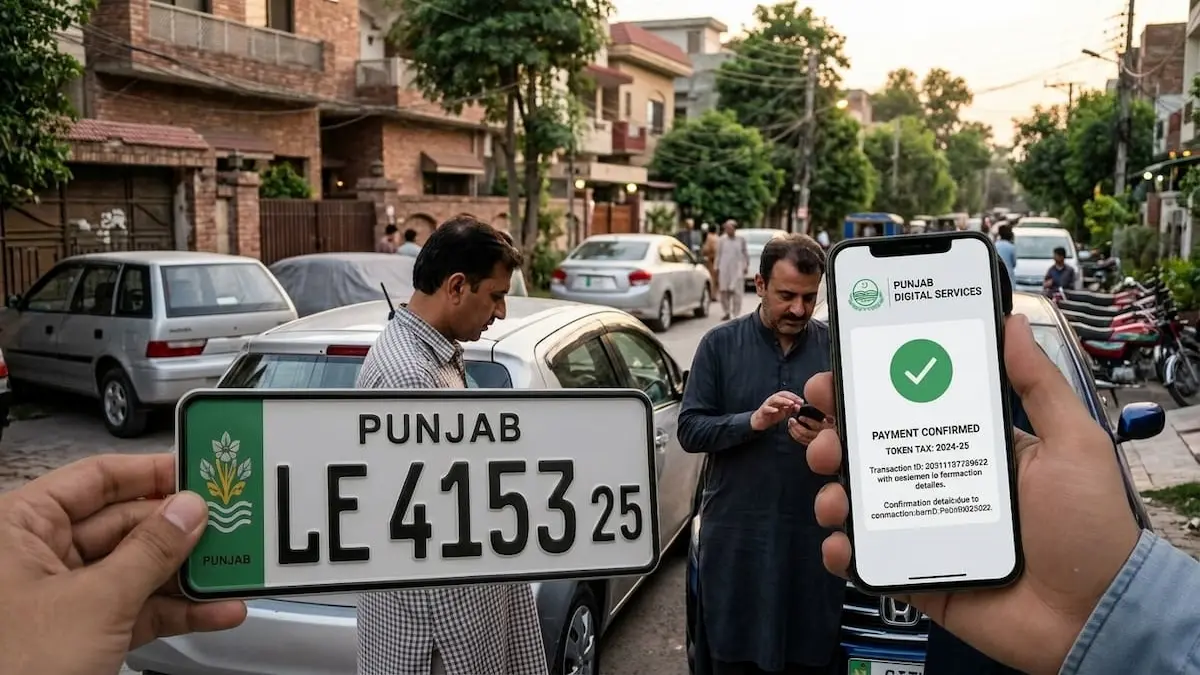
The Punjab Excise, Taxation and Narcotics Control Department, working with the Punjab Information Technology Board, has opened a limited time window for a 10 percent rebate on Motor Vehicle Token Tax. The rebate applies only to payments made through e-Pay Punjab and its linked digital channels before 31 August 2026.
This is not a permanent tax cut. It is a temporary push to move more vehicle owners toward digital payment instead of standing in line at excise offices.
Who Qualifies for the Punjab Token Tax Rebate
The discount is open to motor vehicle owners across Punjab whose token tax is payable through the Excise system. The only condition is that payment must go through an approved digital channel connected to e-Pay Punjab.
There is no separate form to fill out. Once a vehicle owner enters their registration details on the e-Pay Punjab app or portal, the system pulls up the outstanding amount and applies the rebate automatically if the payment qualifies.
How Much Can You Save
The savings scale with the tax bracket of the vehicle. A car owner paying Rs 20,000 in annual token tax would save Rs 2,000 by paying before the deadline through an eligible digital channel.
| Annual Token Tax | Discount (10%) | Amount Payable |
|---|---|---|
| Rs 10,000 | Rs 1,000 | Rs 9,000 |
| Rs 20,000 | Rs 2,000 | Rs 18,000 |
| Rs 40,000 | Rs 4,000 | Rs 36,000 |
How to Pay Through e-Pay Punjab
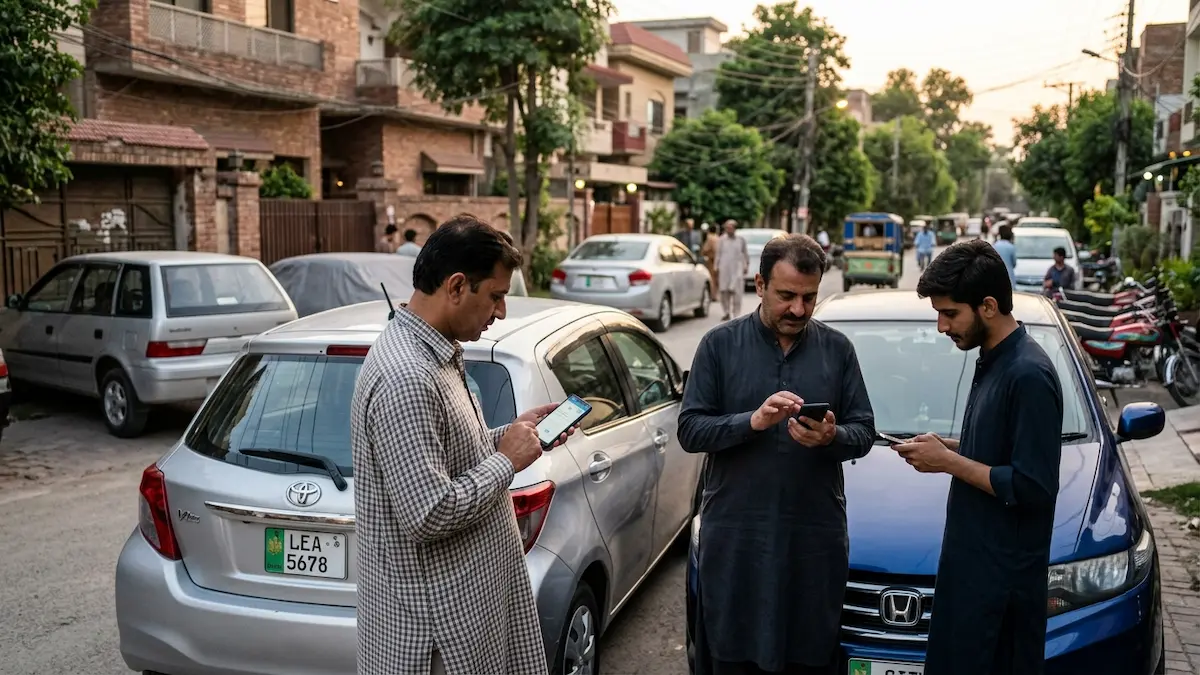
The process takes only a few minutes. Vehicle owners open the e-Pay Punjab app or website, select Motor Vehicle Token Tax, and enter their registration number.
The system shows the outstanding amount along with the discount, if the payment qualifies. Owners then pick a payment method such as internet banking, mobile banking, a partner bank, or a participating ATM, and complete the transaction. Saving the digital receipt is worth doing, since it works as proof of payment.
Anyone tracking wider vehicle related costs this year, including the recent car tax reforms and their effect on new car pricing, will find this rebate fits into a bigger pattern of policy changes touching vehicle owners this year.
Why Punjab Is Pushing Digital Payments
According to the Punjab Information Technology Board, e-Pay Punjab was built to give citizens a secure, single platform to pay taxes, fees, and fines without visiting a government office. Every digital transaction creates an electronic record, which cuts down on paperwork and manual verification.
For the province, higher digital adoption means shorter queues at excise offices and cleaner revenue records. For vehicle owners, it means a lower tax bill if they act before the deadline. The same shift toward digital and infrastructure-linked policy has shaped other recent announcements, including updates on the Rawalpindi Ring Road project.
What Happens After the Deadline
Once 31 August 2026 passes, the rebate ends. Vehicle owners will pay the standard token tax rate, and any existing late payment penalties under Excise rules will continue to apply as usual.
No official statement has confirmed an extension so far. Vehicle owners are advised to rely only on updates from the Punjab Excise, Taxation and Narcotics Control Department and the official e-Pay Punjab portal for any change in the deadline.
Common Mistakes Vehicle Owners Should Avoid
Waiting until the last day is risky, since heavy traffic on the app can slow things down near the deadline. Owners should also double check registration details before confirming payment, since a wrong entry can delay the process.
Only approved e-Pay Punjab channels count for the discount. Payments made through unsupported methods may not qualify, even if the amount is correct. This is worth keeping in mind alongside other cost pressures on car owners this year, such as those covered in our report on how the budget is affecting car prices.
What This Means for Different Vehicle Owners
| Vehicle Owner Type | Benefit |
|---|---|
| Salaried private car owners | Direct savings, payment possible from home |
| Families with one vehicle | Lower annual tax bill |
| Ride hailing and delivery drivers | Reduced operating cost, less time lost |
| Owners of multiple vehicles | Higher total savings on combined tax bills |
Frequently Asked Questions
Who can receive the 10% token tax discount?
Eligible motor vehicle owners who pay Punjab token tax through approved e-Pay Punjab digital channels before 31 August 2026 can receive the rebate.
Does the discount apply to payments made at excise offices?
The rebate is linked to payments made through e-Pay Punjab and its integrated digital channels. Vehicle owners should confirm current guidance before choosing a payment method.
Is a separate application required?
No. Eligible payments are processed automatically through the e-Pay Punjab system, which calculates the discounted amount.
Can internet banking be used?
Yes, internet banking is a supported method, along with mobile banking apps, ATMs, and selected partner banks.
What happens if payment is made after 31 August 2026?
The discount will no longer apply. Standard token tax rates and existing Excise Department rules resume.
Where can vehicle owners verify their token tax amount?
They can check payable dues through the official e-Pay Punjab platform or the Punjab Excise Department before completing payment.