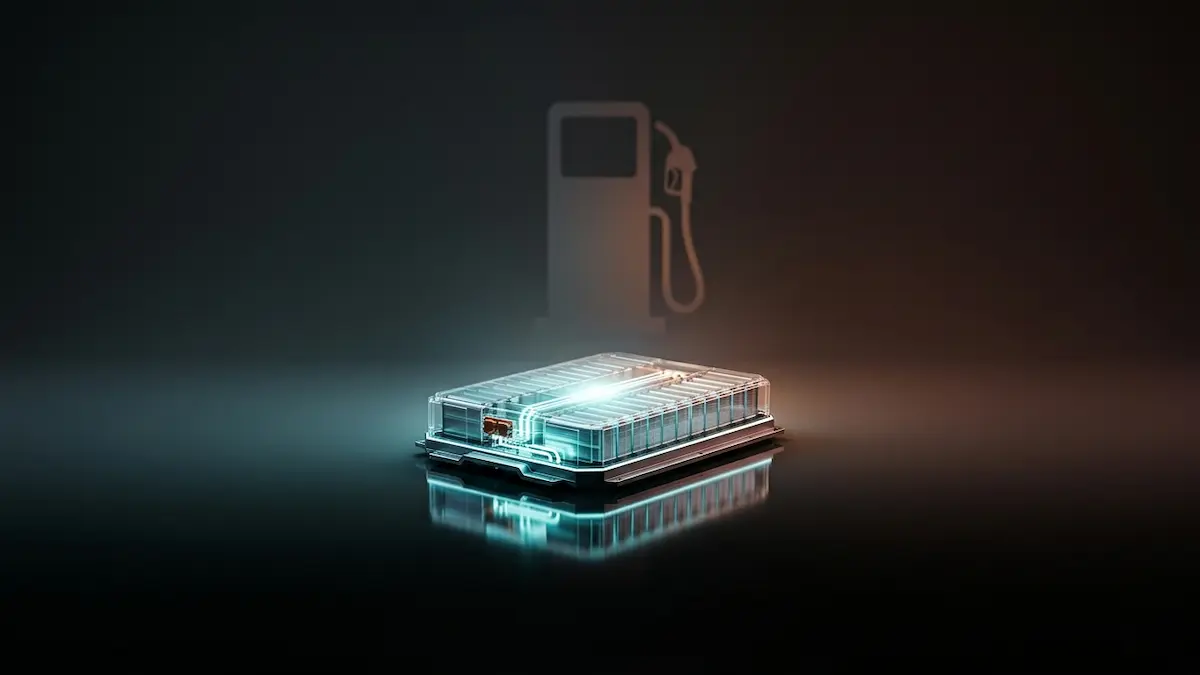
The Rs 800,000 EV Battery Cost Pakistan Buyers Are Not Told About
Petrol prices in Pakistan remain unpredictable. That is pushing more buyers toward electric vehicles. The promise of lower running costs, less noise, and reduced dependence on imported fuel is hard to ignore.
But there is a cost that rarely comes up during the sales conversation. It does not arrive on day one. It arrives years later, often after the excitement of owning an EV has long settled.
That cost is battery replacement.
Why Battery Replacement Can Cost Rs 800,000 in Pakistan
EV batteries do not last forever. They degrade over time. When degradation becomes significant, replacement becomes necessary.
In Pakistan, replacement costs for imported models can approach or exceed Rs 800,000. The reasons are specific to the local market.
Spare parts for imported EVs are not always available locally. Import duties and shipping costs add to the bill. Certified technicians with EV battery expertise remain rare outside major cities. All of this pushes replacement estimates well above what buyers initially expect.
Pakistan’s EV charging network is still developing, and the wider support ecosystem, including battery servicing, is still catching up. That gap has a direct effect on what consumers pay when something goes wrong.
The Good News: Most Batteries Last Longer Than Headlines Suggest
Battery failure stories create fear. The reality is more measured.
Modern lithium-ion batteries are built to perform for many years under normal conditions. Most manufacturers offer warranties covering around 8 years or 160,000 kilometres, depending on the model. Degradation tends to be gradual rather than sudden.
Studies consistently show that batteries retain around 90 to 95 percent of their original capacity after several years. Range reduction happens slowly. Full battery failure during the warranty period is uncommon.
Most EV owners will not wake up one day needing an immediate replacement. But the possibility exists, and its financial weight in Pakistan is significant.
What Makes Batteries Degrade Faster in Pakistan
Heat
Pakistan’s summer temperatures regularly exceed 40°C in major cities. Research from the National Renewable Energy Laboratory (NREL) confirms that elevated temperatures accelerate battery aging. Vehicles without active thermal management are more exposed to this risk in the local climate.
Frequent Fast Charging
DC fast charging is convenient. However, relying on it exclusively adds stress to battery cells over time. Occasional fast charging is generally acceptable. Daily dependence over years is less ideal for long-term battery health.
Keeping the Battery at Full Charge
Many manufacturers recommend keeping daily charge levels below 100 percent unless maximum range is required. Holding the battery at full capacity for extended periods contributes to faster aging.
Age
Even lightly used batteries lose capacity over time. Age alone is a factor, independent of how many kilometres the vehicle has covered.
Global EV Growth and What It Means for Pakistan
According to the International Energy Agency, global electric car sales exceeded 17 million units in 2024. That represents more than 20 percent of all new car sales worldwide. The agency projects sales will surpass 20 million vehicles in 2025, crossing one-quarter of global car sales.
Pakistan wants to be part of this shift. Government initiatives and the Board of Investment have highlighted opportunities in EV manufacturing and supporting industries. Policy frameworks are being developed to encourage electric mobility and reduce fuel imports.
As competition grows and battery production scales globally, prices have been trending downward. The IEA notes that falling battery costs contributed to improved EV affordability in many markets during 2024. That trend could eventually benefit Pakistani consumers, including those facing replacement costs.
Readers interested in how China’s battery technology breakthroughs could shape Pakistan’s EV future will find that global developments are beginning to reach local markets.
What Every Pakistani EV Buyer Should Know Before Signing
| Question | What Buyers Should Know |
|---|---|
| Do all EV batteries fail quickly? | No. Most degrade gradually over many years. |
| Is replacement guaranteed? | No. Many owners never replace the battery during ownership. |
| Can replacement cost be high? | Yes. Costs can reach around Rs 800,000 or more depending on the vehicle. |
| Does Pakistan’s climate matter? | Yes. Heat can accelerate degradation without proper thermal management. |
| Is warranty important? | Absolutely. It can significantly reduce financial risk. |
| Should buyers avoid EVs? | No. They should understand the total cost of ownership before buying. |
The Warranty Question Most Buyers Skip
Battery warranty terms differ widely between manufacturers. Some cover a minimum health threshold. Others only cover manufacturing defects. The difference matters enormously when replacement becomes a question.
Before purchasing, buyers should confirm the warranty duration, kilometre limits, capacity guarantees, whether the warranty transfers to a second owner, and how local claims are handled.
For those comparing models, a look at Pakistan’s Rs 1 million EV options versus Chinese electric SUVs shows how warranty terms and total cost can differ significantly across available choices.
Always read the actual warranty document. Do not rely on a salesperson’s summary.
How EV Ownership Typically Unfolds Over Time
In the first three years, battery health remains strong and warranty coverage provides reassurance. Running costs compare well against petrol vehicles.
Between years four and seven, mild degradation becomes noticeable. Range reductions are gradual. Maintenance remains relatively limited.
From years eight to ten, warranty coverage may expire. Monitoring battery health becomes more important. Some owners begin evaluating long-term replacement considerations.
Beyond ten years, experiences vary widely. Many batteries continue functioning effectively. Replacement decisions depend on range needs and the economics of the vehicle at that point.
Frequently Asked Questions
Do all EV owners in Pakistan eventually need to replace their battery?
No. Many sell their vehicles before replacement becomes necessary. Others continue using the battery at reduced but acceptable range. Replacement is a possibility, not a certainty.
Is Rs 800,000 a fixed cost for battery replacement?
No. Actual costs vary by brand, battery size, import duties, and local parts availability. Some models may cost less. Imported vehicles without local support networks tend to cost more.
Can Pakistan’s hot climate damage EV batteries faster?
Yes. Temperatures above 40°C can accelerate chemical aging inside battery cells. Vehicles with active thermal management systems handle heat better than those without.
Are EV batteries covered under warranty?
Most manufacturers offer battery warranties, often covering around 8 years or 160,000 kilometres. Coverage terms differ significantly between brands. Always verify the specific details including capacity guarantees and local claim procedures.
Should battery concerns stop Pakistanis from buying EVs?
Not necessarily. Understanding the full cost of ownership, including the possibility of a battery replacement, leads to more informed and realistic purchase decisions rather than regret years later.
Are battery prices expected to fall in Pakistan?
Globally, battery production costs have been declining. As competition increases and Pakistan’s EV ecosystem matures, replacement costs may become more predictable and affordable over time.